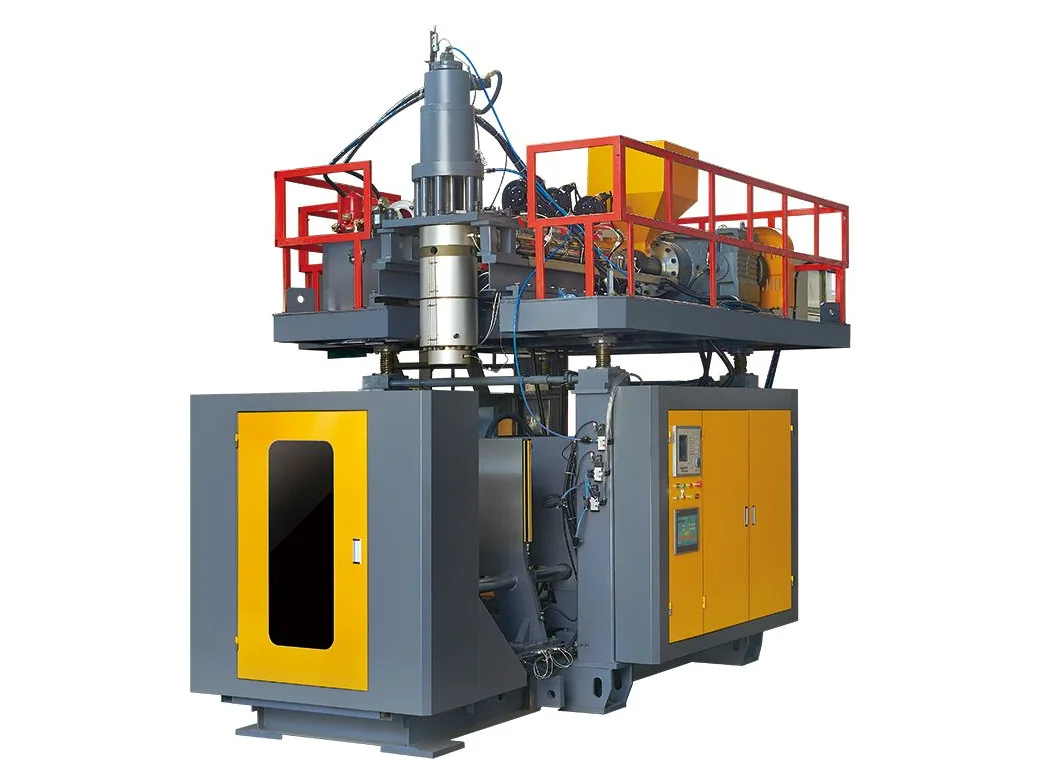
A paint container looks like a bucket with a lid until the first solvent-based product arrives. The mouth and lid have to seal, the wall has to carry a stack, and the resin has to survive the product. If the paint is a dangerous good, the container also needs a UN design-type approval. Start with the product and the closure, not the machine model. The lid and the product are part of the machine decision, not an afterthought.
The short answer: 1–5 L and 15–20 L are different projects
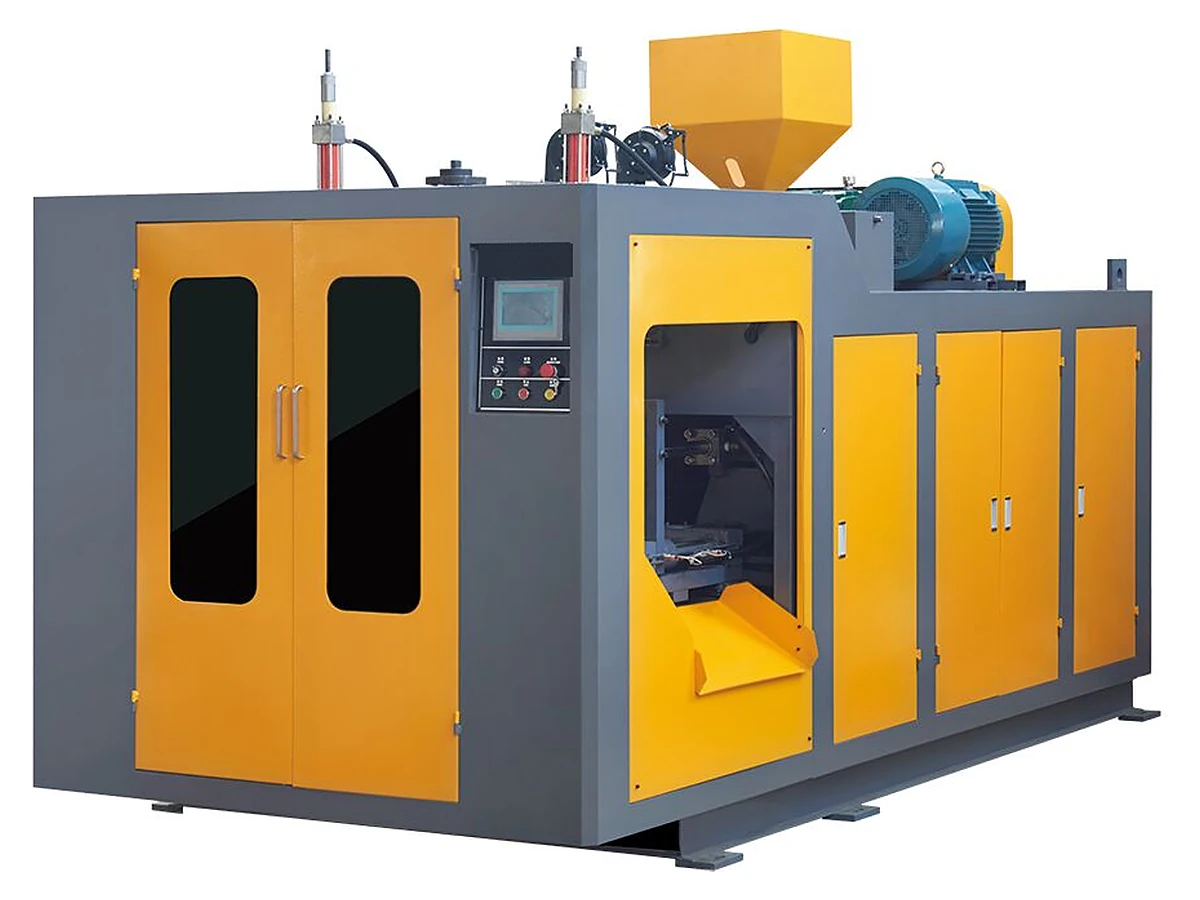
Small 1–5 L paint containers usually fit the ES-10LS or ES-16LS with a wide-mouth mold and a matching lid. A 15–20 L container moves to the ES-30L, where the 215 kN clamp and 580 × 740 mm platen can carry the larger mold. In both cases, confirm the mouth, lid, wall and UN scope before the quotation.
What the container has to survive
Paint and coating products vary from water-based emulsions to solvent-based systems. The container must resist the product, the lid must seal, and the stack must not creep. The table separates the project decisions.
| Size | Typical platform | Mouth and lid | What to confirm |
|---|---|---|---|
| 1–5 L | ES-10LS / ES-16LS | Wide mouth, press-in or screw lid | Mouth diameter, lid seal, wall and stack |
| 5–10 L | ES-10LS / ES-16LS | Wide mouth, handle optional | Handle root, lid torque, drop and stack |
| 15–20 L | ES-30L | Wide mouth, metal or plastic handle | Mold size, clamp, stack load and UN scope |
| Solvent-based product | Same platform | Solvent-compatible lid gasket | Resin grade, gasket, permeation and closure |
| Dangerous goods | Same platform | UN-marked design | Design-type test, marking and batch records |
Swipe the table to see all columns →
Mold and process checks for a wide-mouth paint container
Test the lid on a filled container, not on an empty one. A lid that seals at the bench can weep when the pail is dropped or stacked. Fill at the real product temperature, cap at the specified torque, and check the seal after 24 hours, after a drop and after a stack. If the product is solvent-based, include a permeation check and a gasket compatibility check. The mold makes the mouth; the lid and gasket make the seal. Keep the lid drawing and gasket specification with the container drawing; a mold that matches the container but not the lid is only half a project. Also check the handle and the bail: a metal handle on a 20 L pail changes the stacking and the drop test, and the mold needs the right ear geometry. Confirm the handle in the quotation.
The wide mouth changes the parison path and the take-out. The neck ring and the lid seat need clean dimensions, and the base corner carries the stack. Check the mold draw, the blow-pin position and the trimming of the mouth before the cavity count is fixed. A handle adds a separate cooling and take-out issue.
The wide-mouth process is covered inwide-mouth jar productionand the larger range in20–50 L container production. For the resin side, readHDPE chemical compatibility.
What to send for a quotation
A paint container quotation needs the product and the closure, not only the volume. Send these with the enquiry:
- Container and lid drawings in 2D and 3D, with the mouth and sealing surface.
- Product type: water-based, solvent-based or a mixture, with the fill temperature.
- Resin and any gasket or liner material in contact with the product.
- Fill volume, stack height and expected storage conditions.
- Whether the container is a dangerous good and which UN code applies.
- Output target, cavity count and whether the mold is new or existing.
Compare the0.1–16 L single-station rangeand20–50 L range, then send the drawings through thecontact page.
Source: E-SHION product data. Specifications are subject to change without notice; customization is available.
This guide is written for production and procurement decisions. It uses published figures where available and avoids unverified performance claims.