
Volume is not a mold size
Two containers with the same litre rating can have very different diameters, heights and handle geometry. Check the drawing, not the capacity label.
Applications
Household, food, industrial and PETG packaging use overlapping machine platforms but different mold, material and handling requirements. Start with the application page closest to the product.
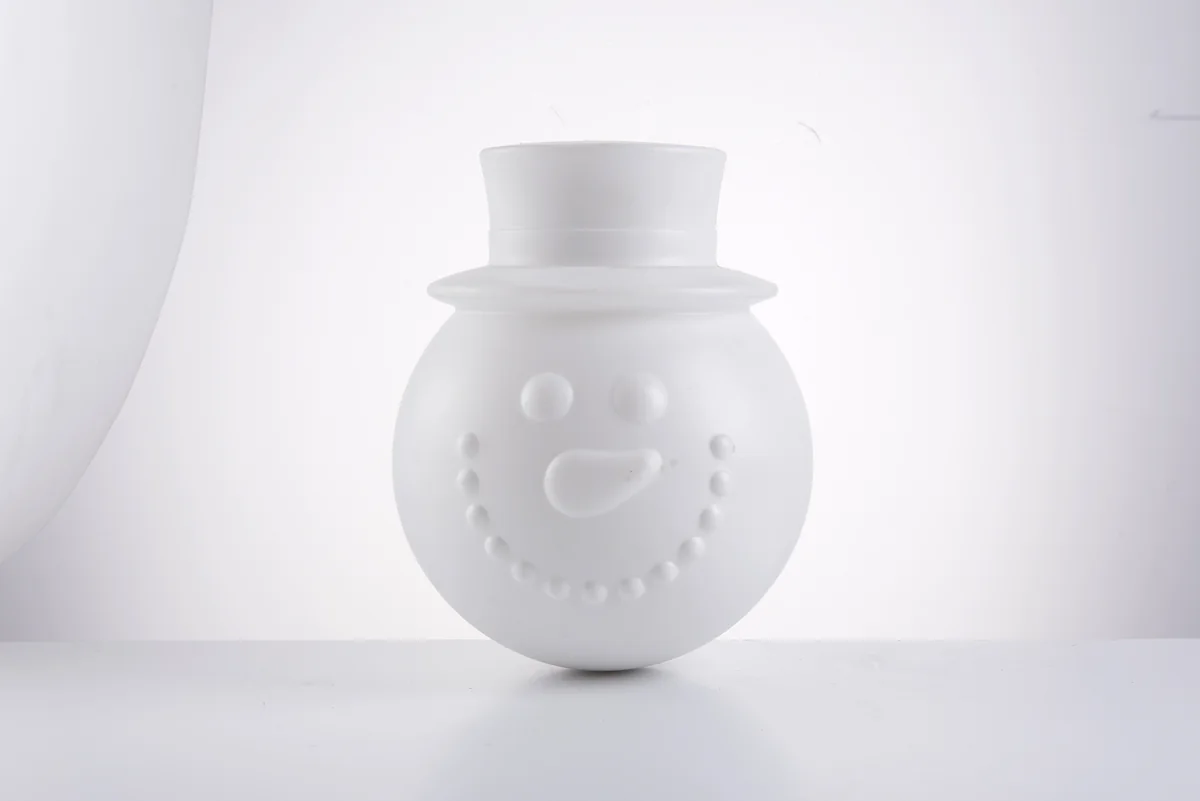
Shampoo, detergent, lotion and cleaner bottles where surface quality and repeatable wall thickness matter.
View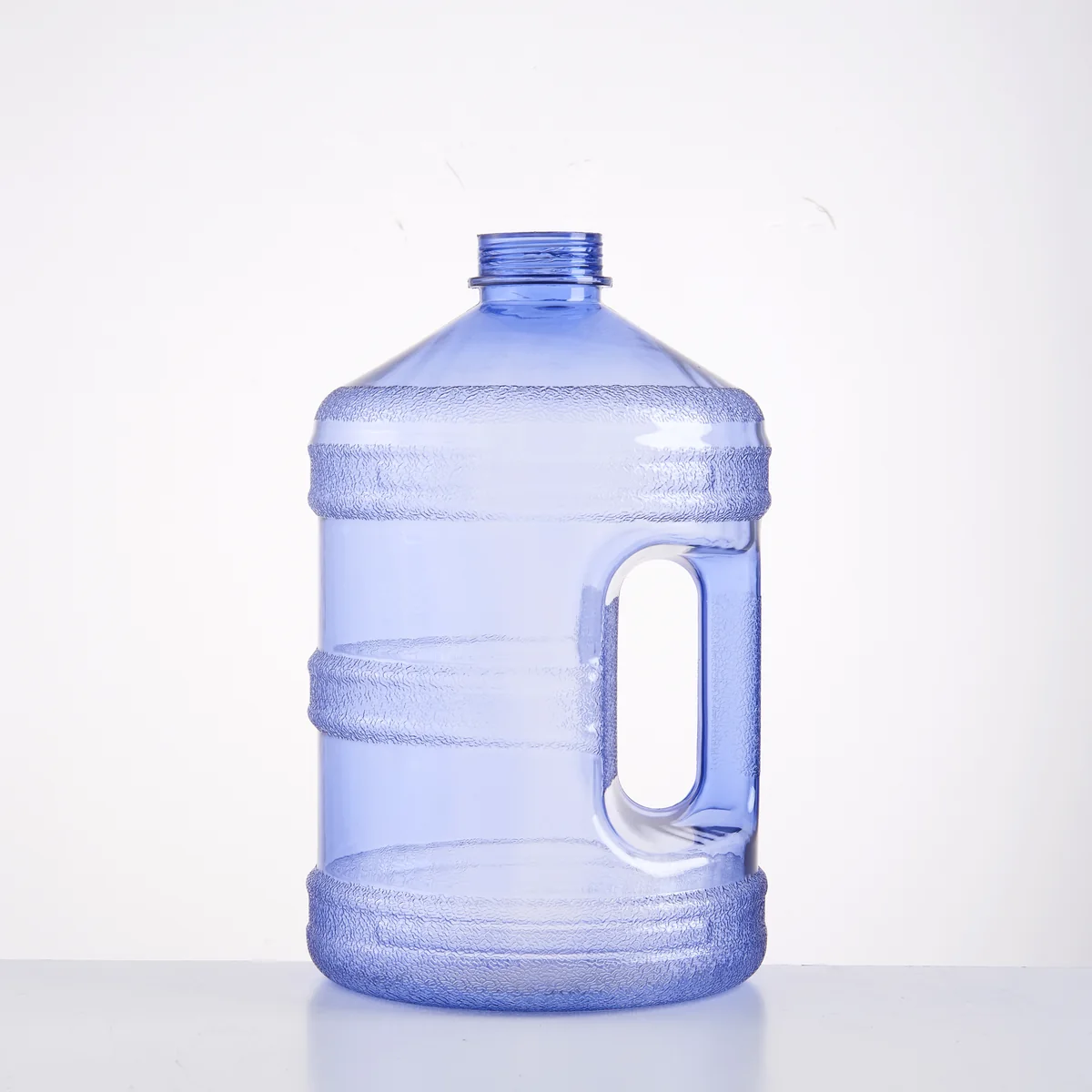
Oil, water, juice, dairy and food bottles, from small formats to multi-litre containers.
View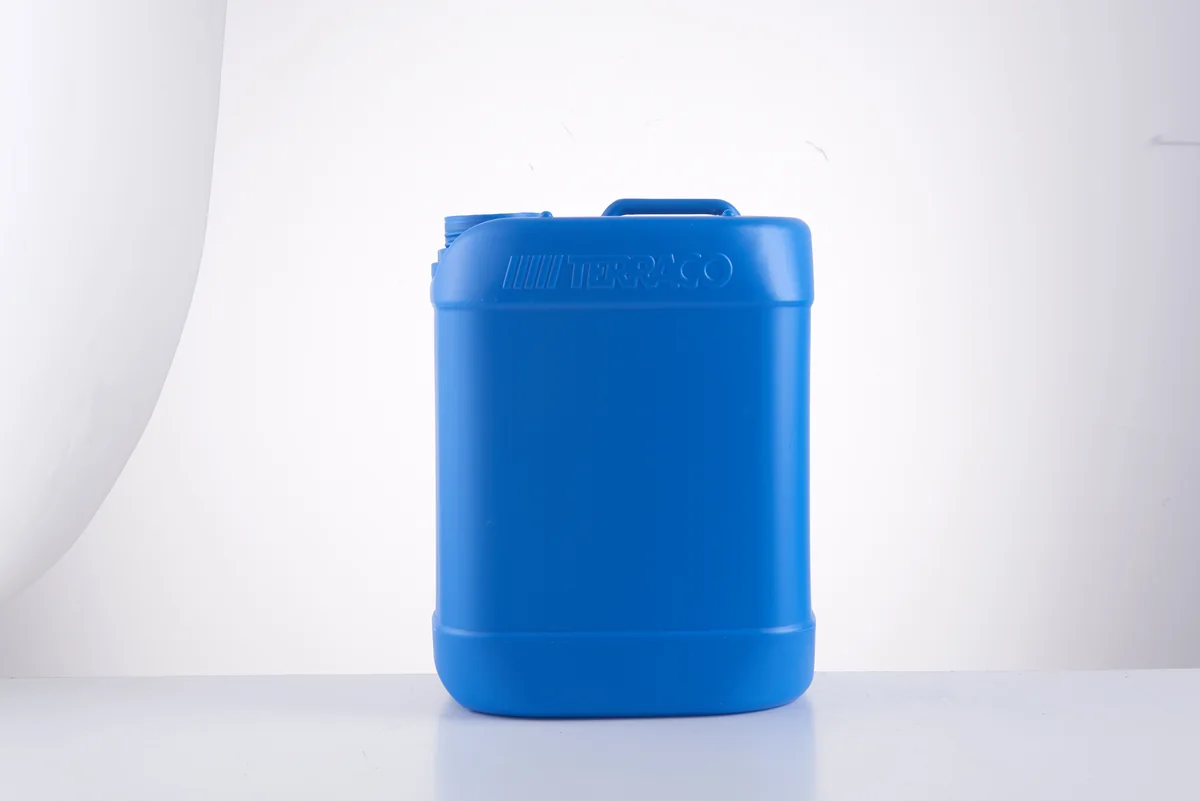
Jerrycans, drums and chemical bottles for lubricants, agricultural chemicals, cleaning products and industrial liquids.
View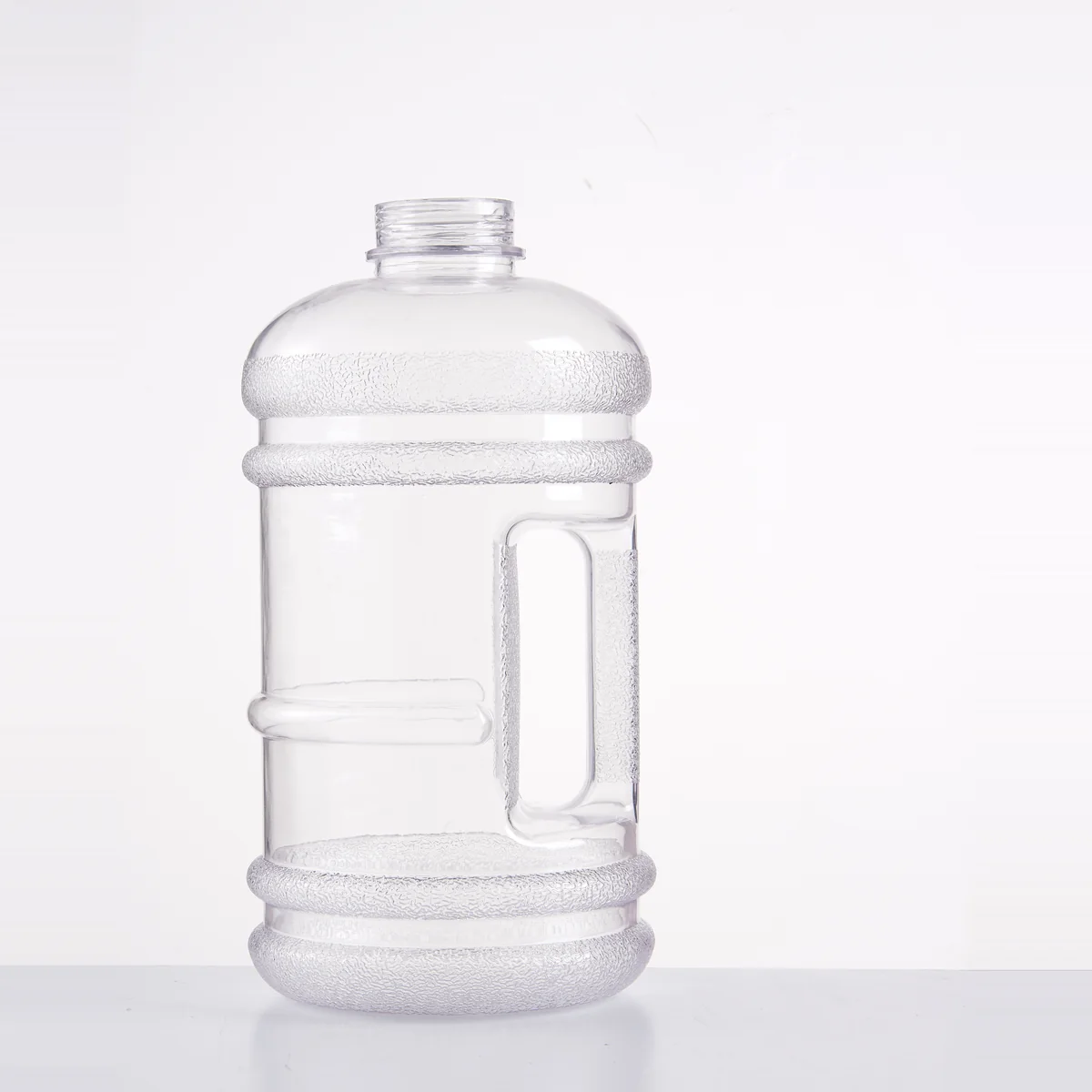
Transparent bottles, jars and shaped containers where clarity, gloss and surface finish drive the specification.
ViewApplication fit
The recommended series is a starting point, not an automatic selection. Mold dimensions, output and container geometry decide the final model.
| Application | Typical parts | Materials | Starting platforms | View |
|---|---|---|---|---|
| Household & Personal Care Packaging | Shampoo and body-wash bottles, Detergent and cleaner bottles, Lotion and cream jars, Personal-care bottles | HDPE, PP, PETG (clear parts) |
Single-station · 0.1–16 L Double-station · 0.1–16 L PETG · 0.1–15 L |
View |
| Food & Beverage Packaging | Edible-oil bottles, Water and juice bottles, Dairy and food containers, Wide-mouth food jars | HDPE, PP, PETG (clear parts) |
Single-station · 0.1–16 L Double-station · 0.1–16 L PETG · 0.1–15 L |
View |
| Industrial & Chemical Containers | 20 L and 25 L jerrycans, 30 L and 50 L drums, Lubricant containers, Agricultural chemical bottles | HDPE, HDPP, PE, PP, PVC | Single-station · 20–50 L | View |
| PETG Clear Packaging | Clear cosmetic bottles, Transparent jars, Shaped display containers, Clear household bottles | PETG |
PETG · 0.1–15 L Single-station · 0.1–16 L Double-station · 0.1–16 L |
View |
Source: E-SHION product catalog, pages 05–10. Specifications are subject to change without notice; customization is available.
Common mistakes
Application pages are a useful starting point, but they are not a substitute for the container drawing and mold review.
Two containers with the same litre rating can have very different diameters, heights and handle geometry. Check the drawing, not the capacity label.
Extruding capacity is plastic throughput in kg/hr. Finished output = cavities × good parts per cavity per cycle × cycles per hour, using measured cycle time and scrap rate.
The catalog material list is a starting scope. The resin grade, drying, temperature, food-contact or chemical requirement still need confirmation.
Next step
Send the container drawing, material and target output. The application page narrows the conversation; the drawing and mold review narrow the machine.