
Container diameter and height: these determine platen size, platen spacing and the usable cavity layout.
Application · HDPE, PP, PETG (clear parts)
Household & Personal Care Packaging
Shampoo, detergent, lotion and cleaner bottles where surface quality and repeatable wall thickness matter.
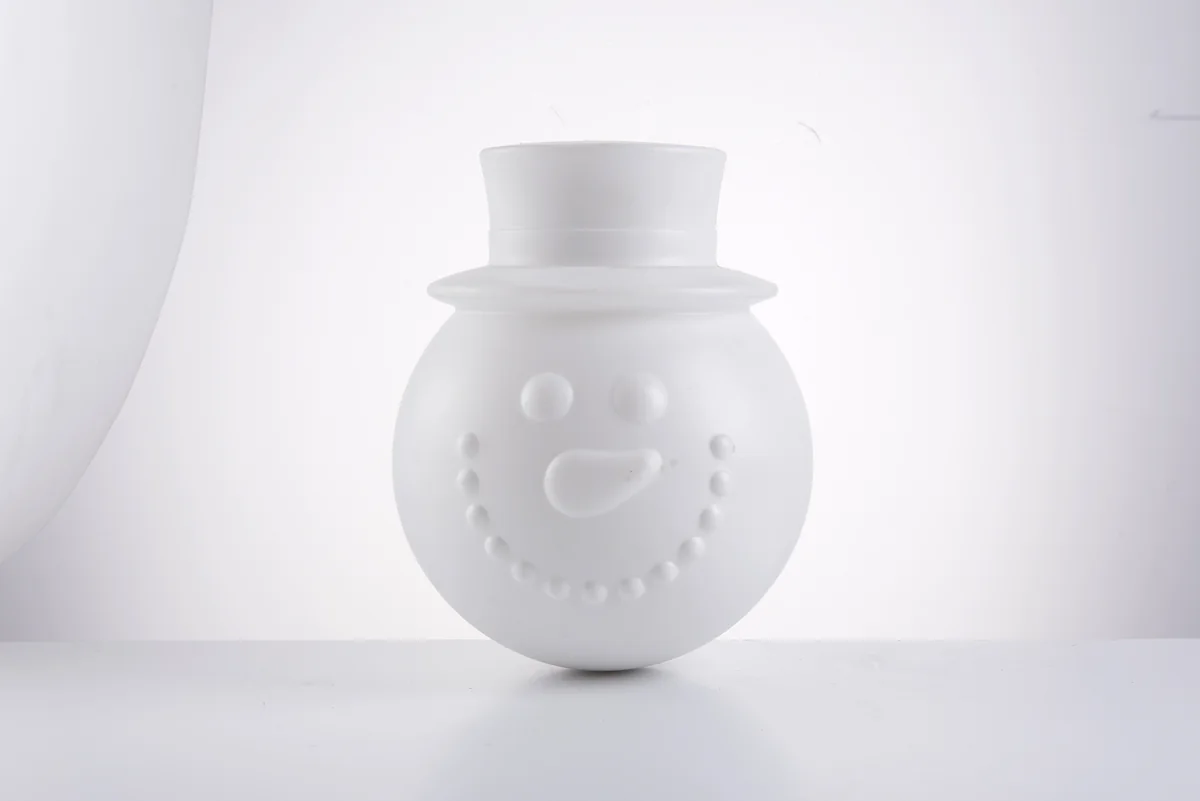
Household and personal-care containers are rarely defined by volume alone. The bottle has to sit correctly on a shelf, feel right in the hand, hold its shape after filling and repeat the same surface finish across a long production run.
For blow molding, that puts the focus on parison control, mold cooling and a machine size that matches the bottle. A smaller platform with a well-supported mold often makes more sense than a large machine running a light part.
These parts reward consistent parison control, clean mold surfaces and a machine size that matches the bottle rather than overwhelming it.
Selection factors
What drives the machine choice
These factors are reviewed together. One favourable number does not make a machine suitable.
Wall-thickness target: a stiff detergent bottle and a squeezable lotion bottle do not need the same parison or cooling strategy.
Surface and print quality: mold finish, cooling and part handling affect the visual result before printing even begins.
Output and changeover: a single station is simpler for frequent size changes; a double station suits a narrower, high-volume range.
Material: HDPE and PP are common for opaque parts; PETG enters the conversation when clarity is required.
Typical applications
Container forms in this application
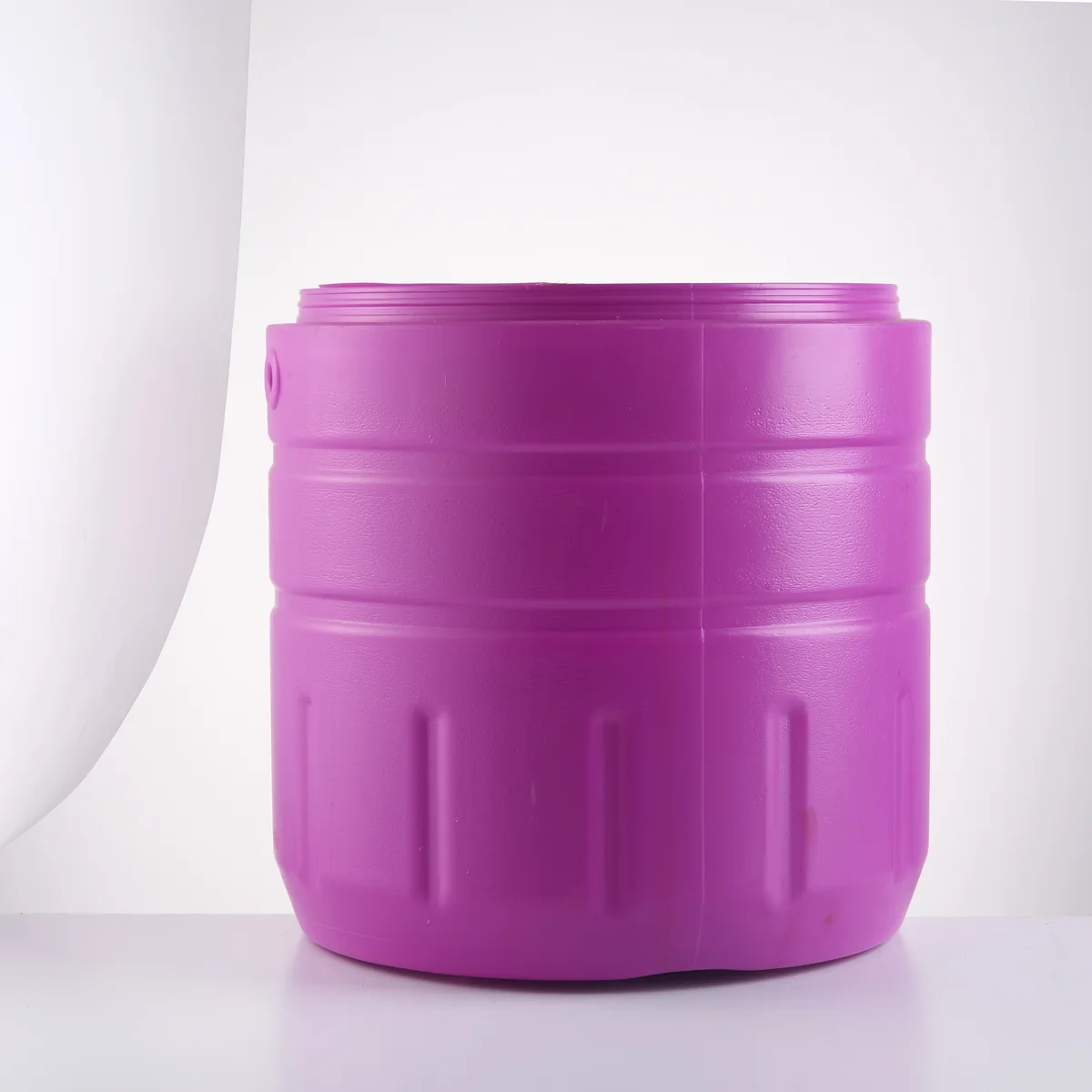
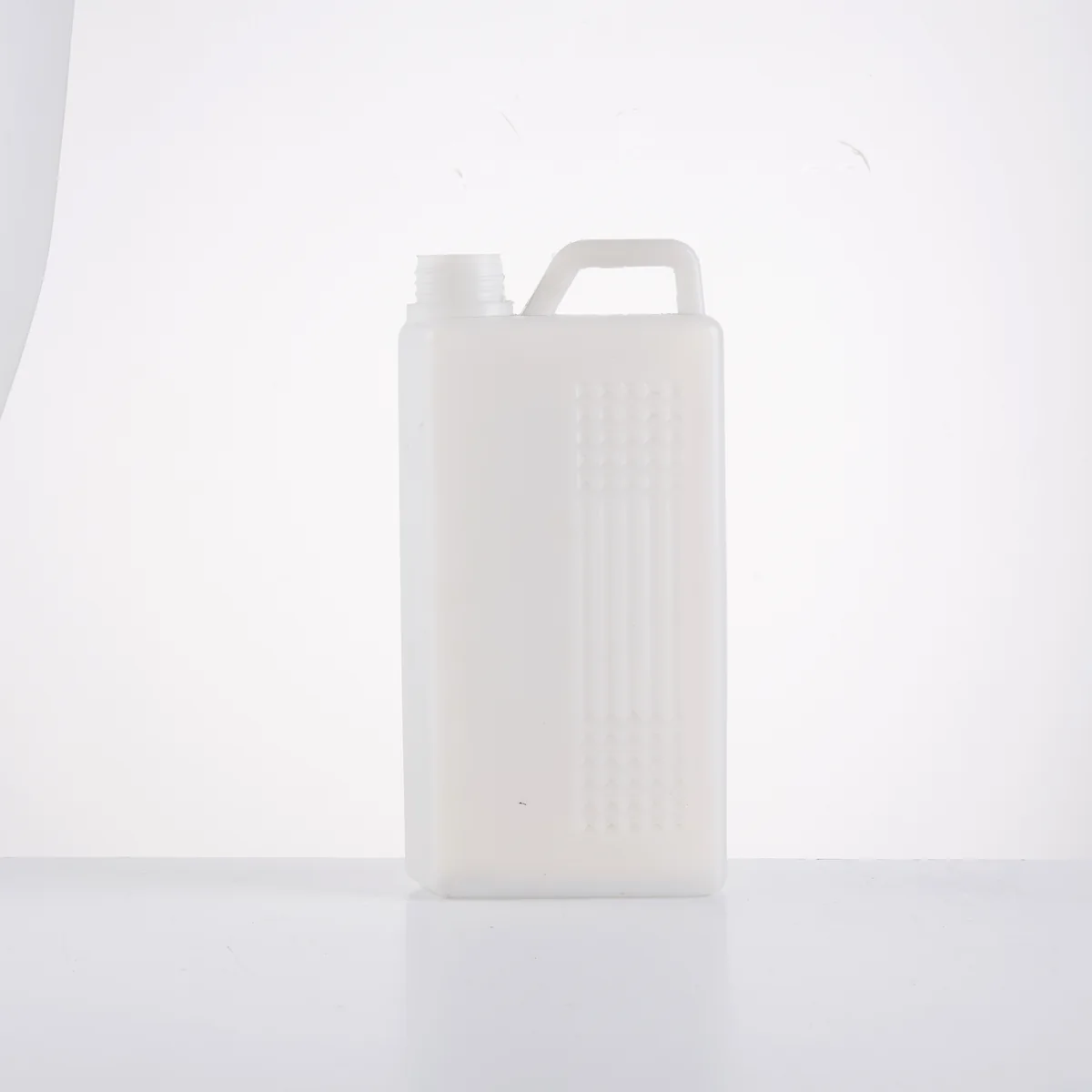
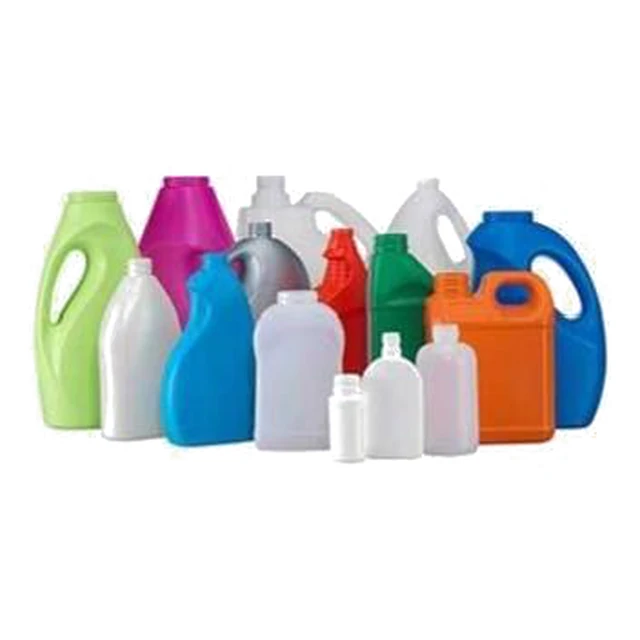
These images illustrate container types; they are not a guaranteed model match.
Starting platforms
Machines to review for this application
These are starting points from the published range. The container drawing and mold review decide the final model.
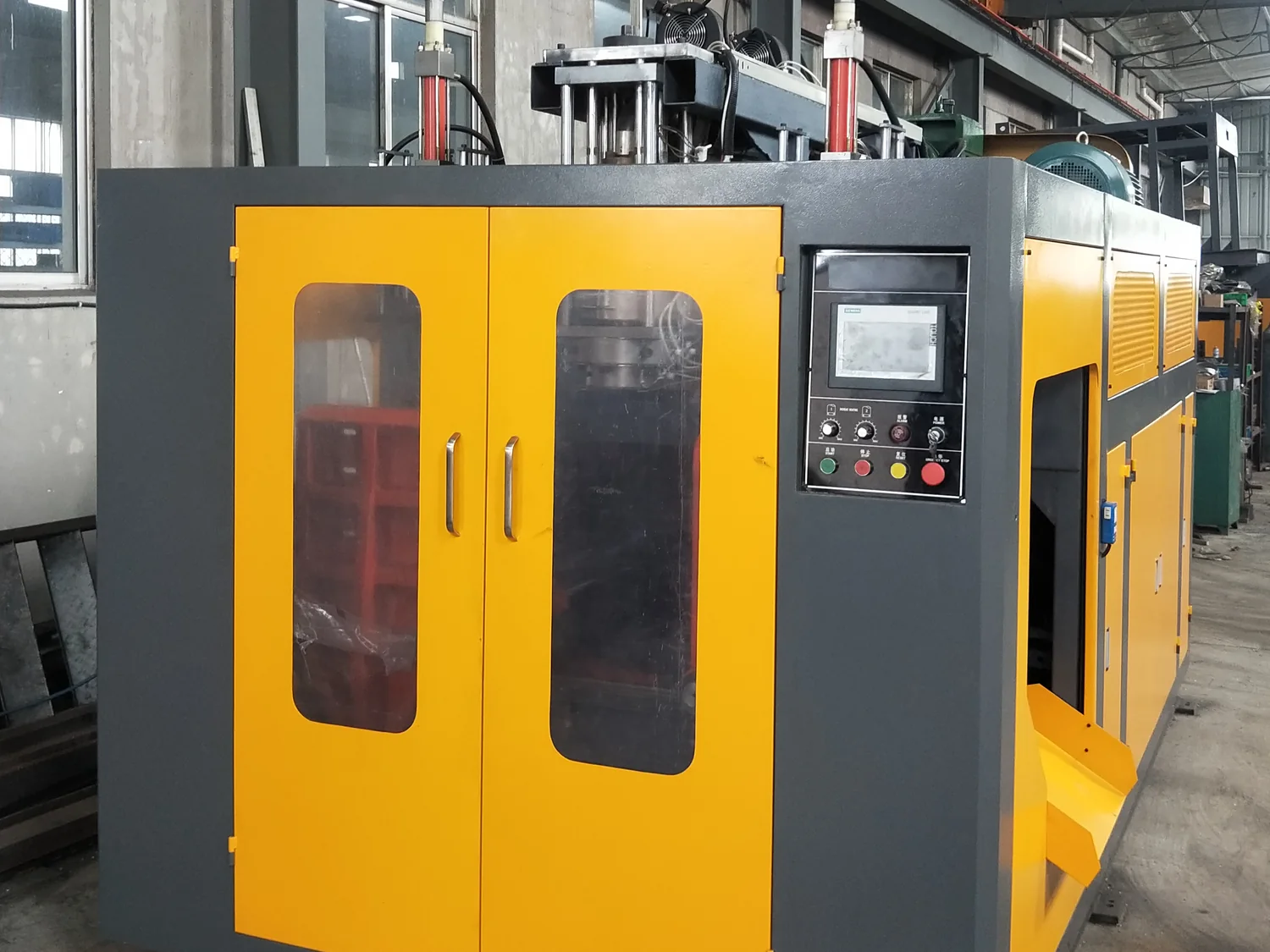 Single-station · 0.1–16 L
Single-Station Extrusion Blow Molding Machine
A compact single-station platform for 0.1–16 L bottles, jars and small containers. Available models cover 2, 5, 10 and 16 L volumes with one to six cavities.
- Range
- 0.1–16 L
- Station
- Single
- Cavities
- 1–6
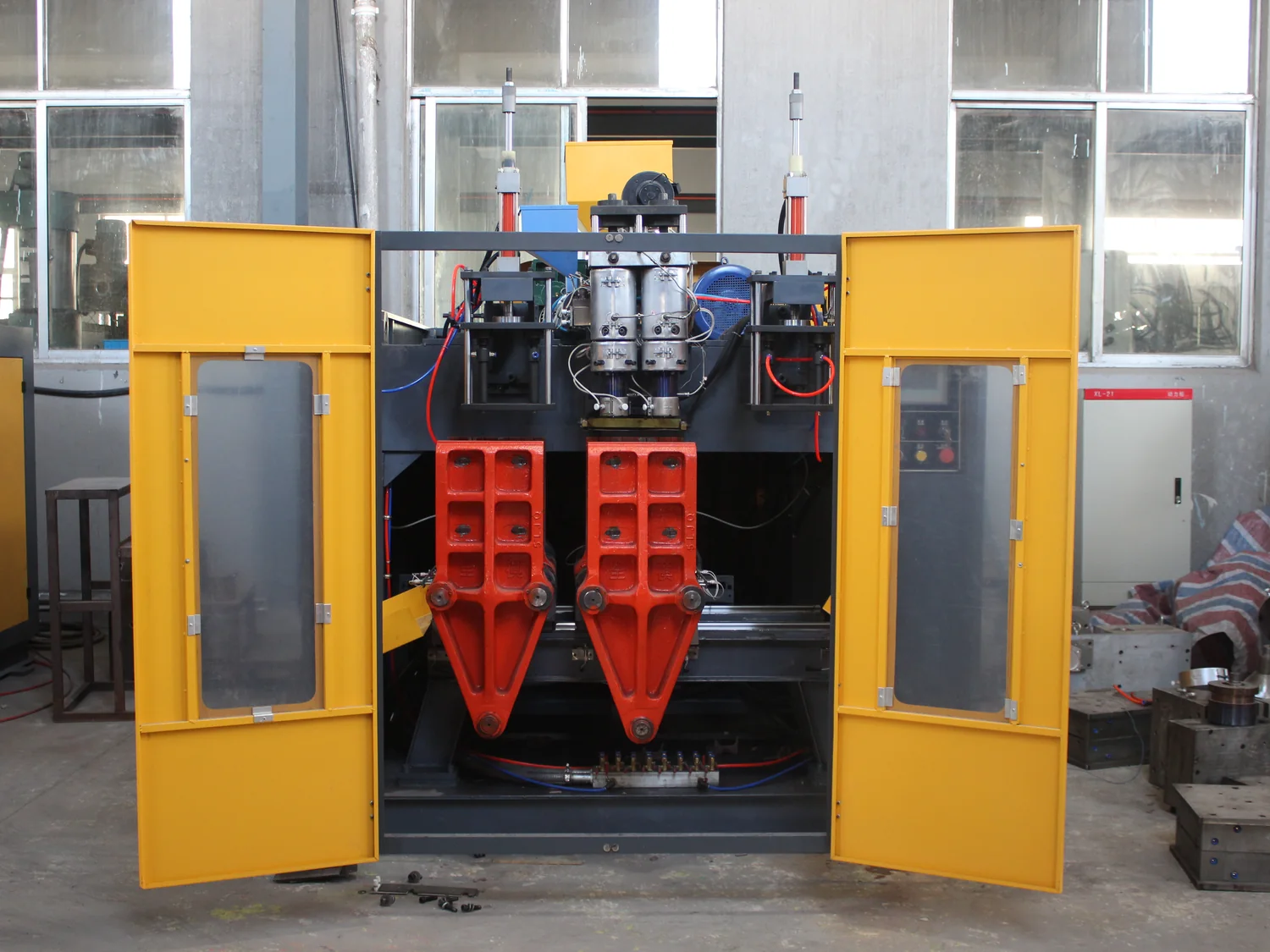 Double-station · 0.1–16 L
Double-Station Extrusion Blow Molding Machine
A double-station platform for higher output per cycle across 0.1–16 L containers. Available models cover 2, 5, 10 and 16 L maximum product volumes.
- Range
- 0.1–16 L
- Station
- Double
- Cavities
- 1–6
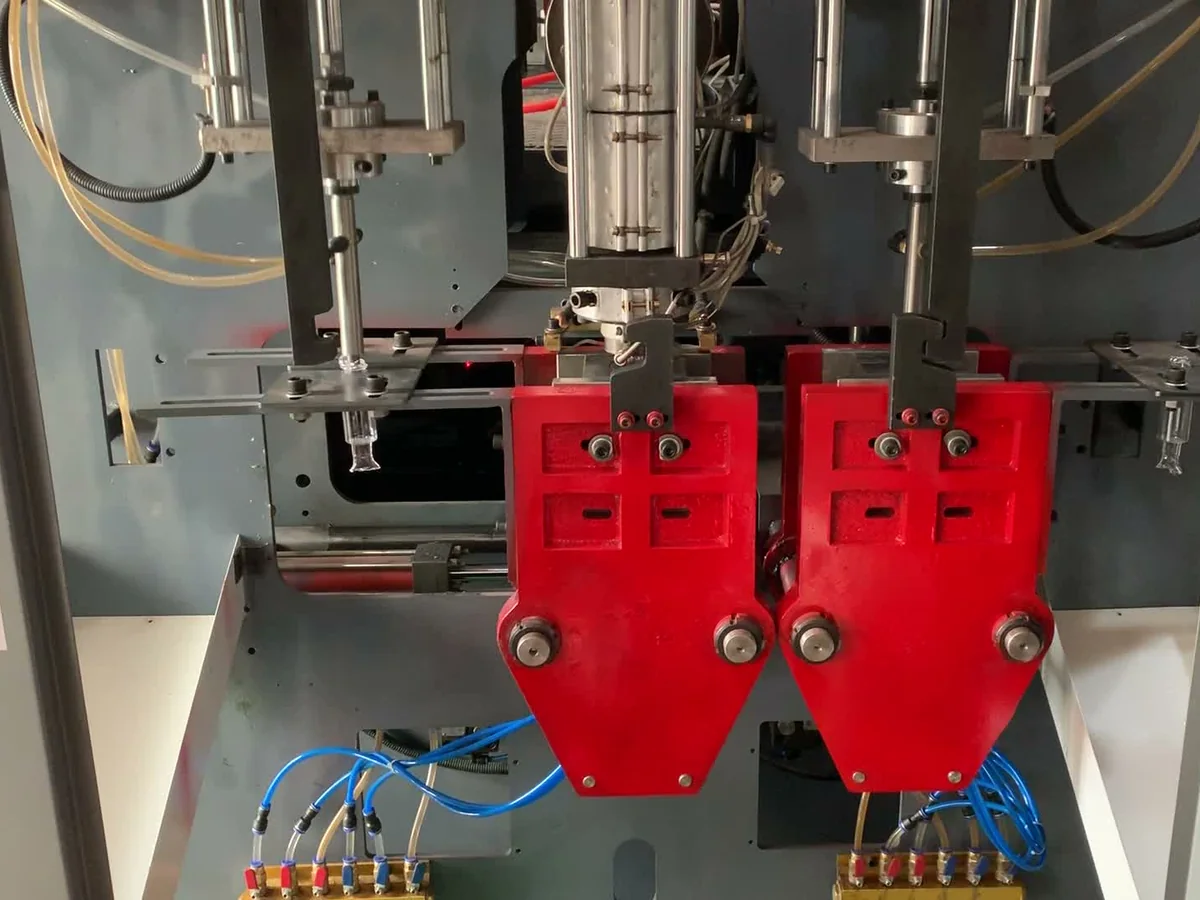 PETG · 0.1–15 L
PETG Double-Station Extrusion Blow Molding Machine
A double-station PETG configuration for 0.1–15 L transparent bottles, jars and shaped containers. Available with 1–4 cavities and PETG as the raw material.
- Range
- 0.1–15 L
- Station
- Double
- Cavities
- 1–4
Models
Models worth comparing
Enquiry checklist
What to send with the enquiry
The more of these items are fixed, the fewer assumptions the quotation has to carry.
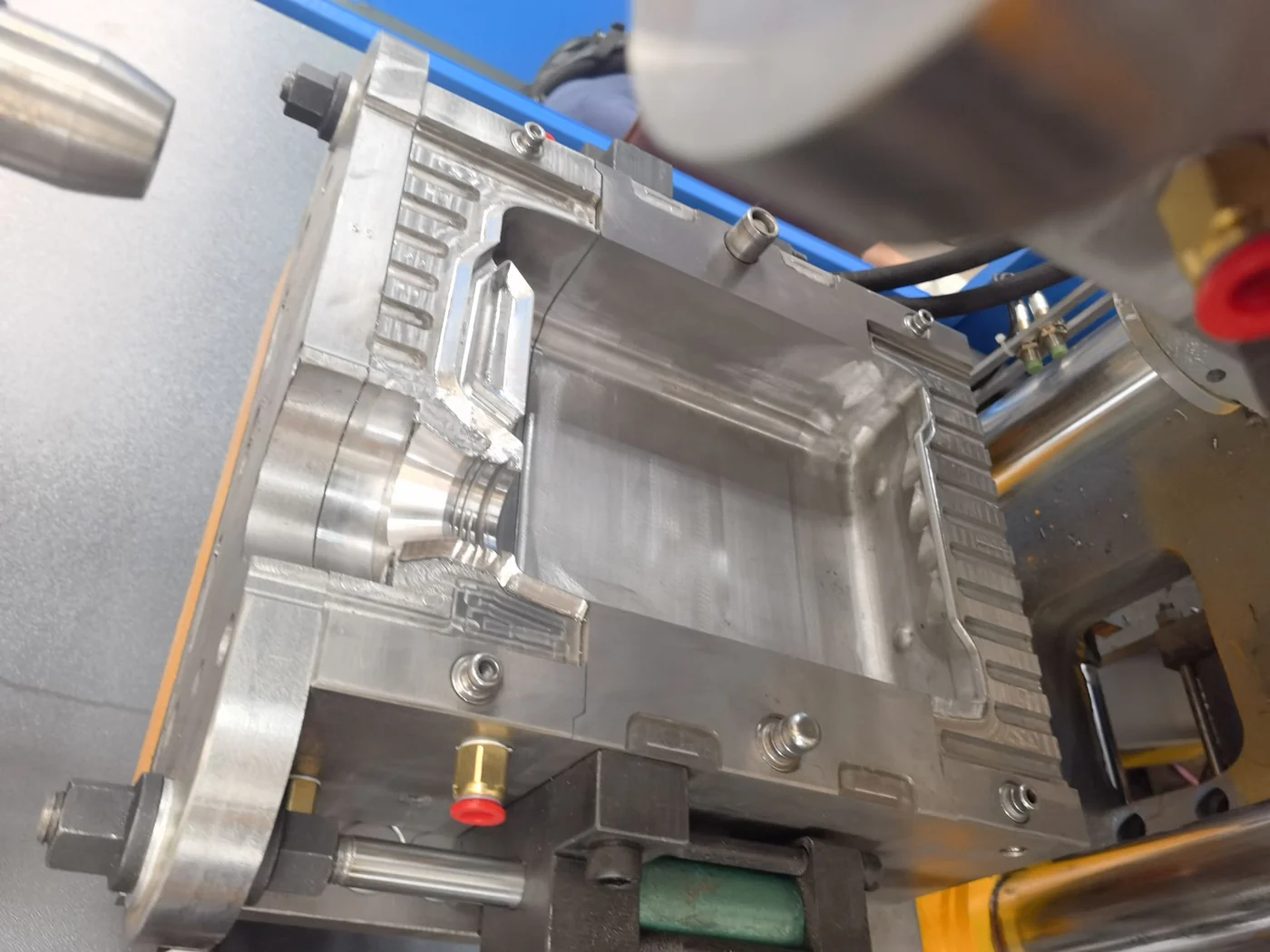
- Bottle or jar drawing with body diameter, height, neck and weight
- Material grade and colour/compound plan
- Target output per hour and shift pattern
- Cavity preference and existing mold information
- Decoration or filling constraints that affect handling
Questions buyers ask
Application questions
Specific answers for this container category, including where the responsibility sits.
FAQIs a double-station machine always better for household bottles?
No. Double-station is aimed at higher output per cycle, but it also increases the number of mold positions and the coordination required. For frequent changeovers or low initial volume, a single-station machine can be the more practical start.
Can the same machine make both opaque HDPE and clear PETG bottles?
The range has a dedicated PETG double-station configuration for clear parts and a wider material list for the HDPE/PP series. Do not assume one screw and die-head setup is optimal for both. Material compatibility, drying and temperature control must be reviewed for the specific project.
Next step
Put the container in the centre of the conversation.
Send the drawing, material, output and any existing mold. The application gives context; the drawing and mold review make the recommendation specific.