One station, clear process control
A single clamping station keeps the machine footprint compact and gives operators a direct view of the parison, mold and take-out area.
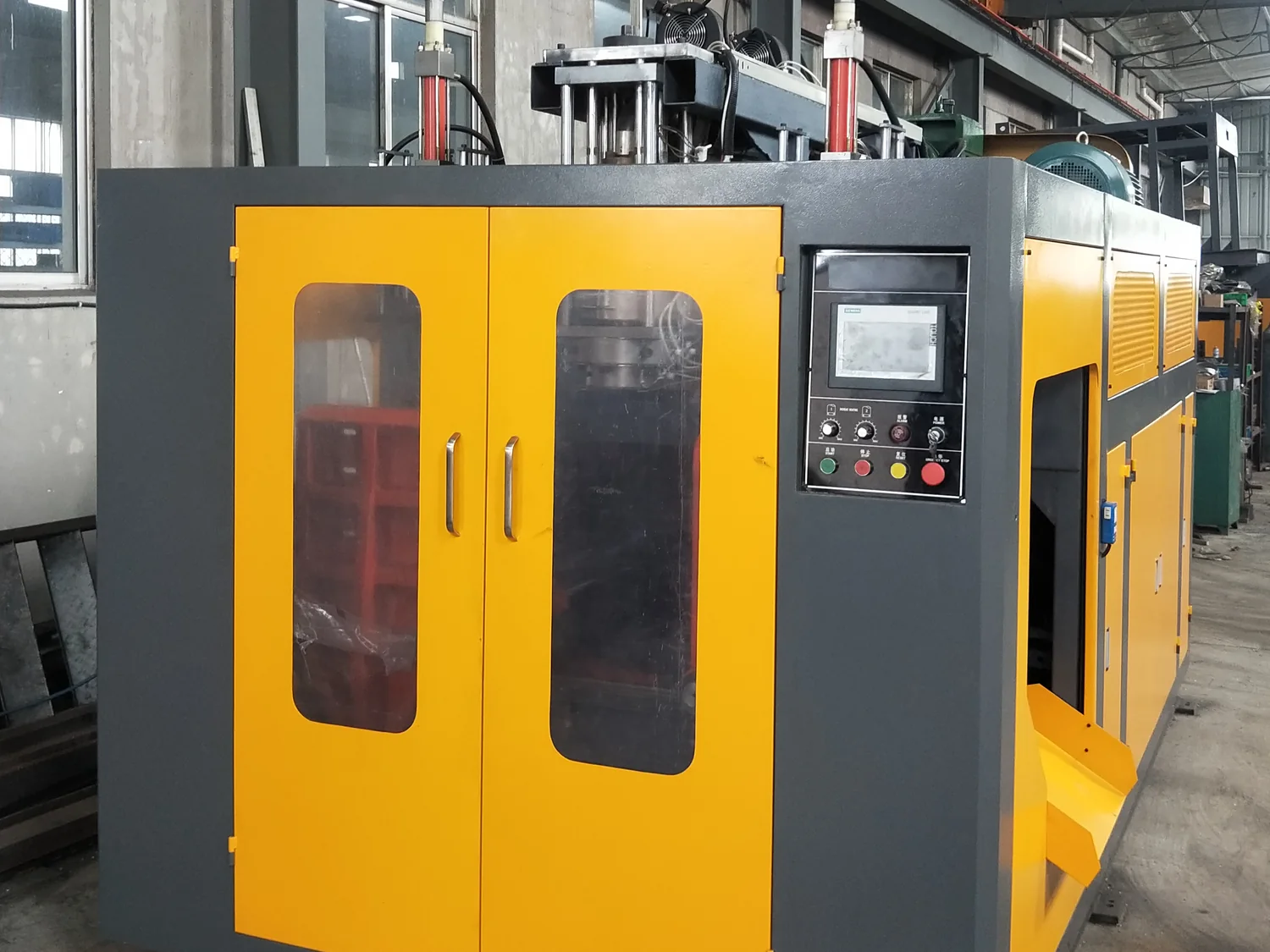
Reference image
Machine series
A compact single-station platform for 0.1–16 L bottles, jars and small containers. Available models cover 2, 5, 10 and 16 L volumes with one to six cavities.
Materials: PE, PP, HDPE, HDPP, PC, PVC, PETG, EVOH
The single-station series is a compact way into the E-SHION range. It suits producers who need a defined container size, a manageable footprint and a configuration that can grow from a single cavity to multi-cavity tooling.
The series includes four models — ES-2LS, ES-5LS, ES-10LS and ES-16LS. Each model shares a 25:1 screw L/D ratio, while clamping force, platen size and extruding capacity increase with the maximum product volume.
Design intent
A single clamping station keeps the machine footprint compact and gives operators a direct view of the parison, mold and take-out area.
Die-head center distances support two-, three- and four-cavity layouts, with up to six cavities available for the series. The final cavity count depends on container diameter and mold design.
The material scope includes PE, PP, HDPE, HDPP, PC, PVC, PETG and EVOH. Compatibility is confirmed against the resin grade and product requirements.
Specifications
Select a model for its complete specification table.
| Model | Max. product volumeL | Clamping forcekN | Platen spacing (daylight)mm | Die plate sizemm | Screw diametermm | Extruding capacitykg/hr | Installed powerkW | Machine weightt | View |
|---|---|---|---|---|---|---|---|---|---|
| ES-2LS | 2 | 100 | 150–385 | 290 × 320 | 50–55 | 50–55 | 24–32 | 3.5 | View ES-2LS specs |
| ES-5LS | 5 | 100 | 145–505 | 320 × 380 | 60–65 | 65–80 | 32–42 | 4.5 | View ES-5LS specs |
| ES-10LS | 10 | 110 | 220–600 | 450 × 480 | 70–75 | 80–100 | 38–48 | 6.5 | View ES-10LS specs |
| ES-16LS | 16 | 155 | 230–620 | 500 × 490 | 75 | 100–120 | 48–55 | 7 | View ES-16LS specs |
Swipe the table to see all columns →
Source: E-SHION product data. Specifications are subject to change without notice; customization is available.
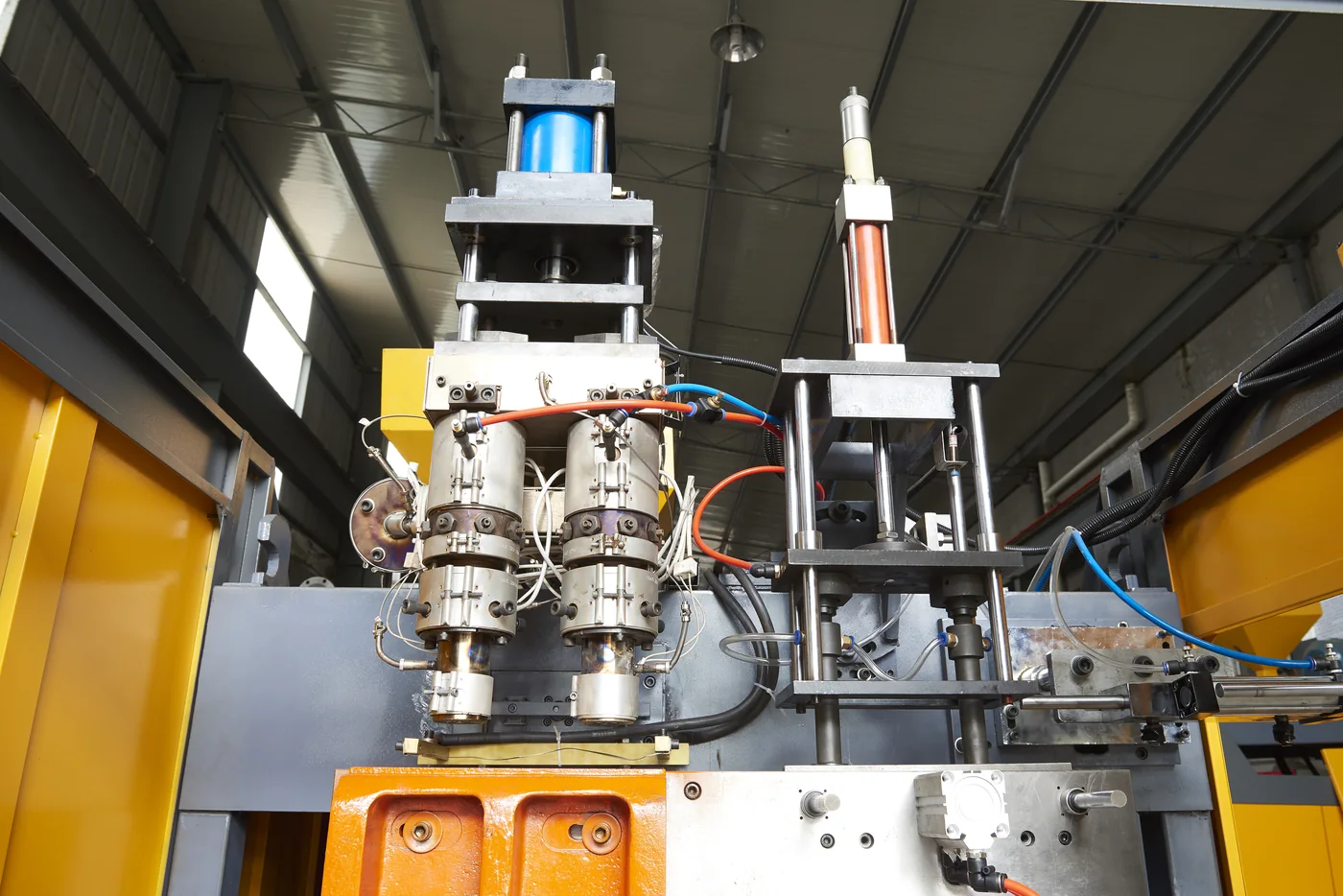
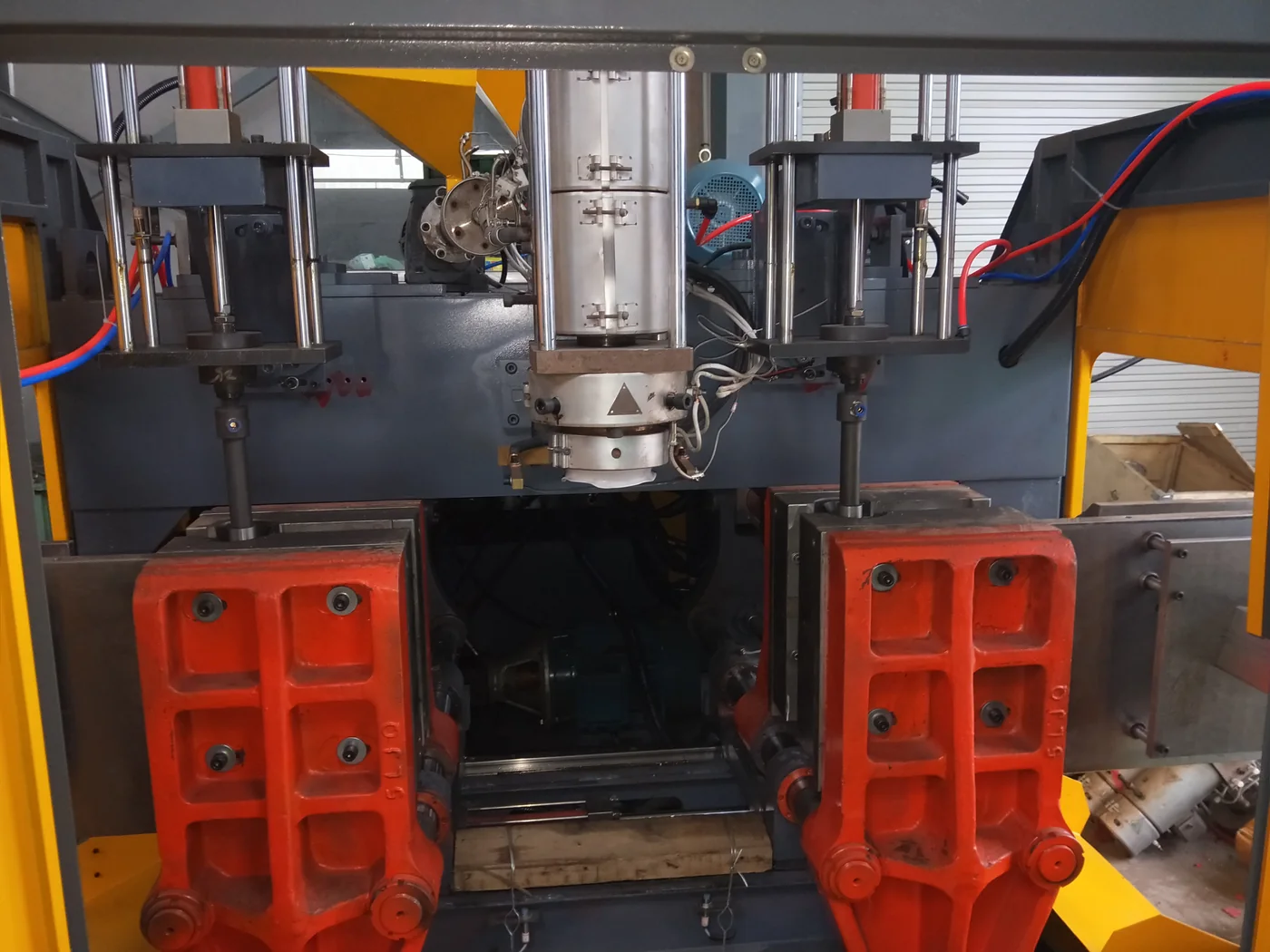
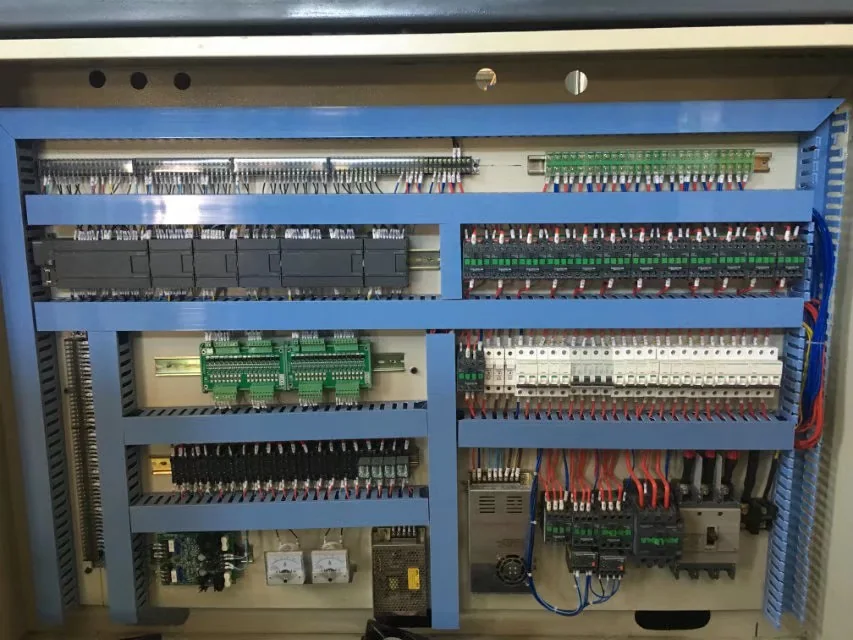
Machine details
Typical applications
Shampoo, detergent, lotion and cleaner bottles where surface quality and repeatable wall thickness matter.
View application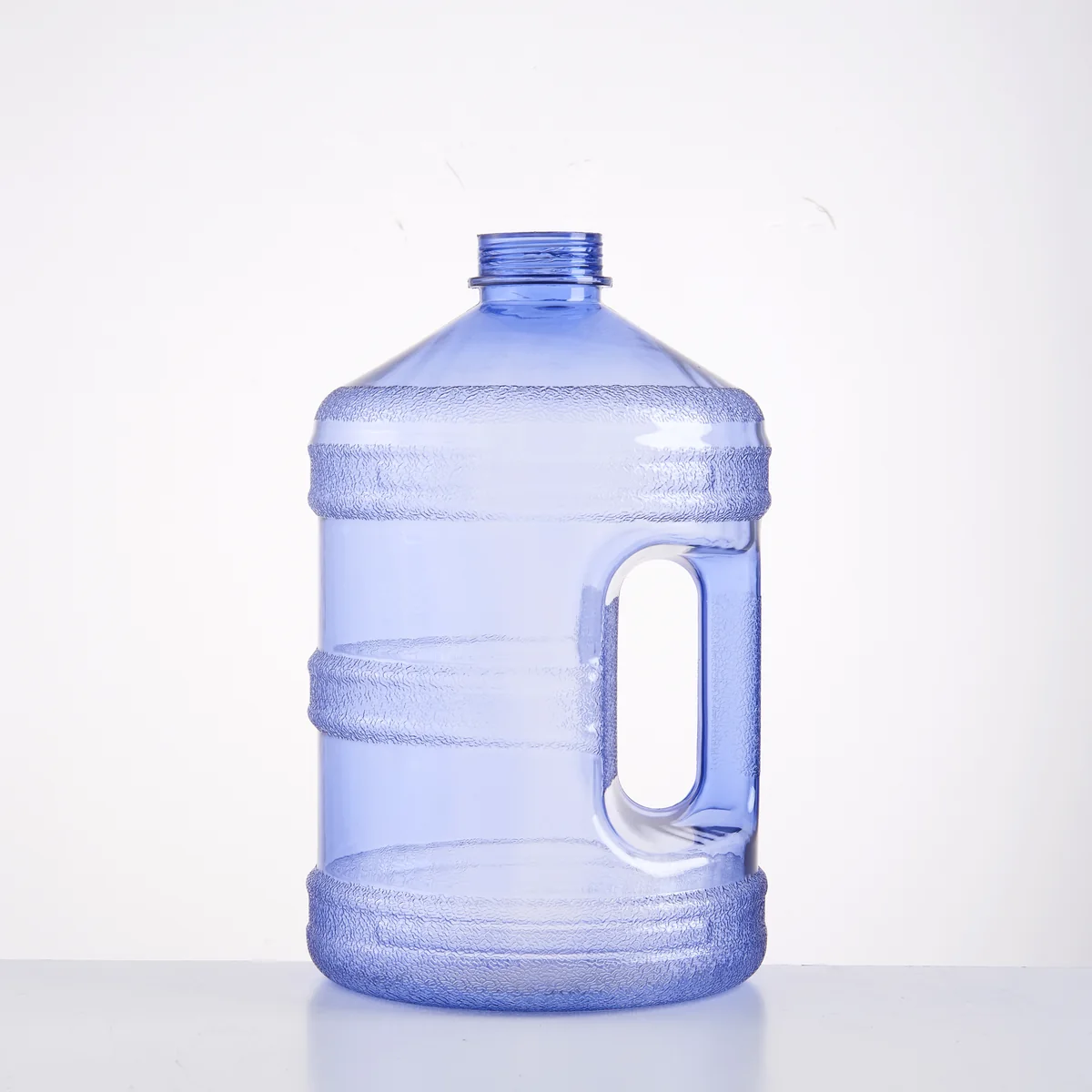
Oil, water, juice, dairy and food bottles, from small formats to multi-litre containers.
View application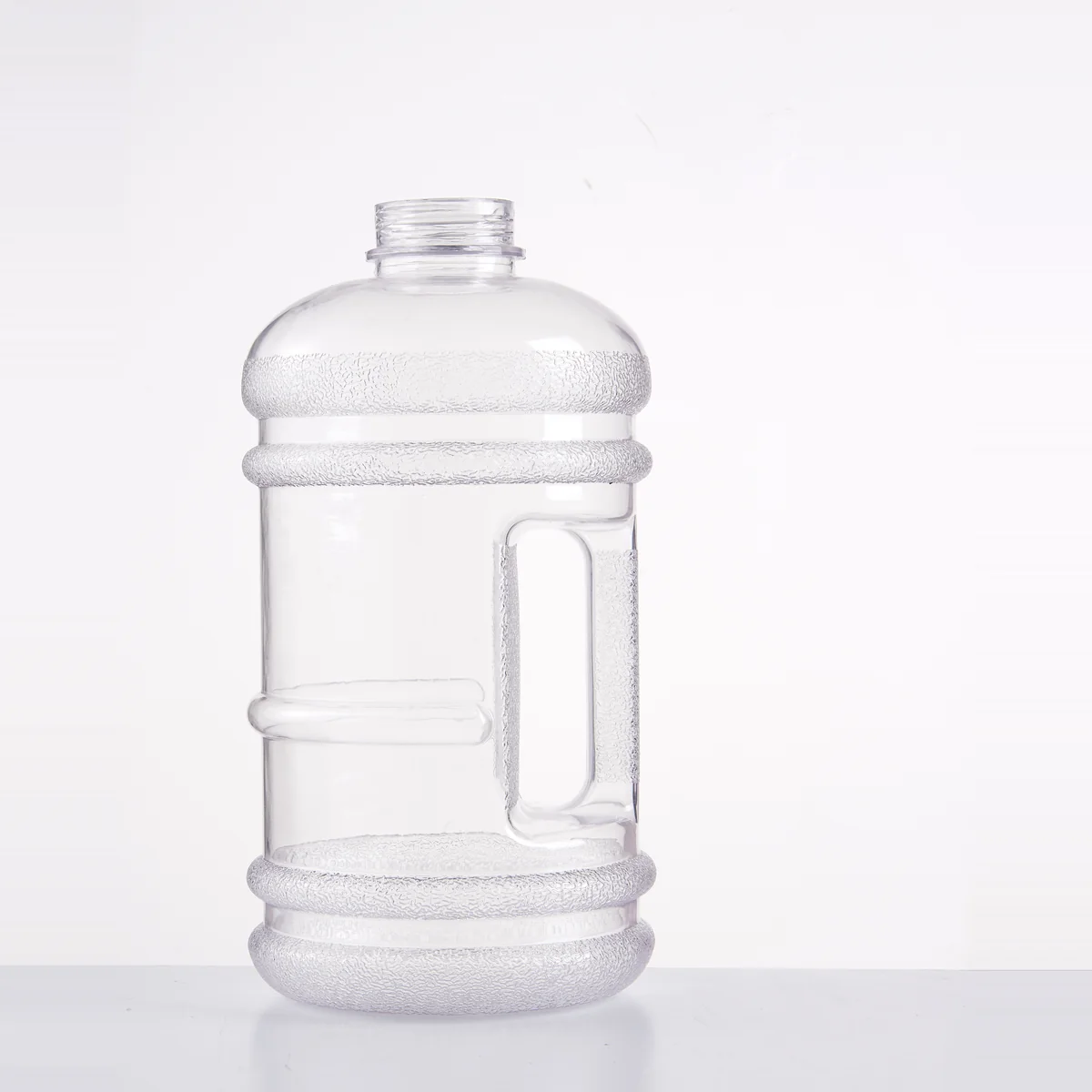
Transparent bottles, jars and shaped containers where clarity, gloss and surface finish drive the specification.
View applicationMachine video
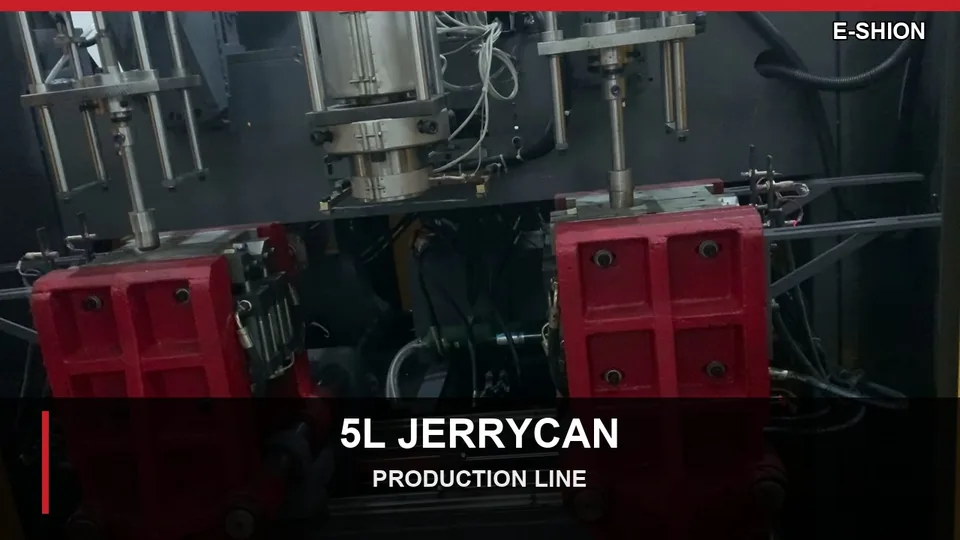
Parison extrusion, mold closing, blowing and take-out of a finished 5L jerrycan.
Clip shows the die-head and mold area during a production cycle. Audio removed for autoplay.
All production videosMore machine clips
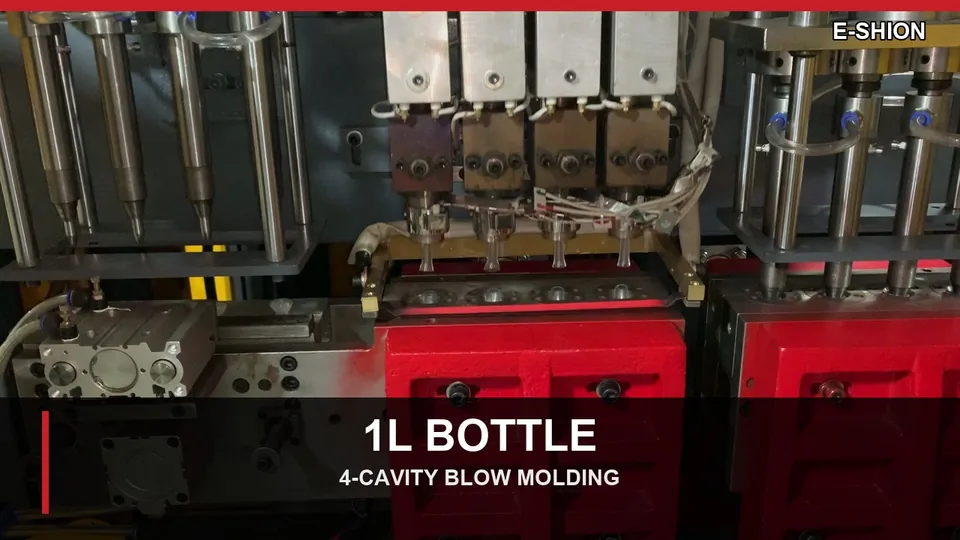
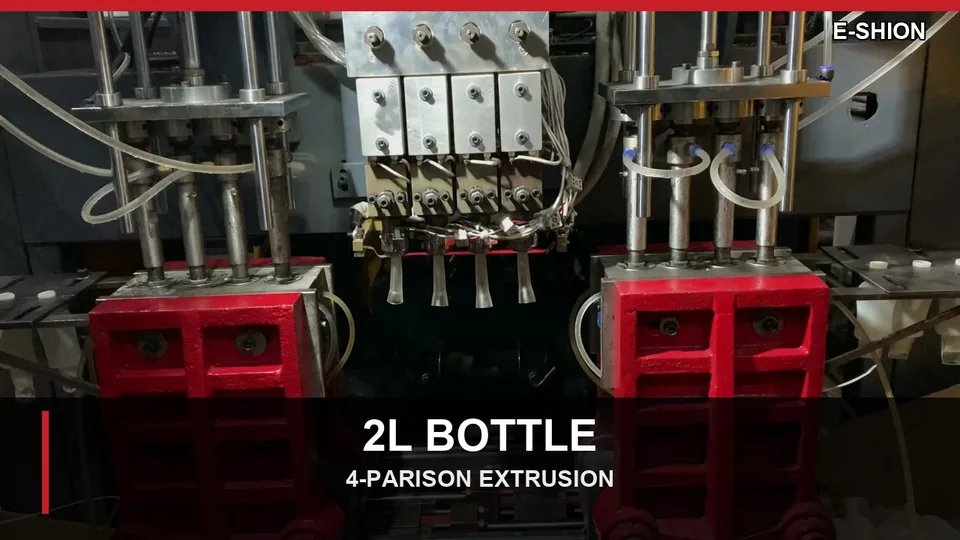
Different molds and cavity layouts on the same platform: four-cavity bottle production, four-parison extrusion and a full machine view.
Four parisons, four cavities: the clamp, mold and take-out area of a 1L bottle machine set up for multi-cavity output.
Four parisons leave the die head together and index into the mold, followed by bottle take-off — a clear look at multi-parison timing.
A wider view of the 5L jerrycan machine running: die head, clamp unit, mold area and the working space around it.
Questions buyers ask
Answers use published values and state where the final check depends on the mold.
FAQAvailable models: ES-2LS, ES-5LS, ES-10LS, ES-16LS. Each model page shows the complete specification table.
The series range is 0.1–16 L. The maximum is the platform limit; the actual container must still be checked against mold dimensions, platen size and platen spacing.
A container drawing or sample, material grade, target output, cavity preference, existing mold data and destination voltage/frequency. The mold interface and utility schedule are then checked before a quotation is finalized.
The price is quoted per project: model, mold, cavity layout, material, drive and control configuration, and destination voltage all change the configuration. No list prices apply. Send the container drawing and target output for an itemised quotation.
Cooling, wall thickness, resin and mold design usually set the cycle before extruder capacity does. The specification table above lists extruding capacity and installed power per model; the final cycle is measured on your mold during commissioning.
Request a quotation
Include the material, target output, cavity preference and existing mold data. The reply will confirm the model or explain why another platform is a better fit.