
Clarity target: cosmetic requirements determine mold polish, cooling and handling discipline.
Application · PETG
PETG Clear Packaging
Transparent bottles, jars and shaped containers where clarity, gloss and surface finish drive the specification.
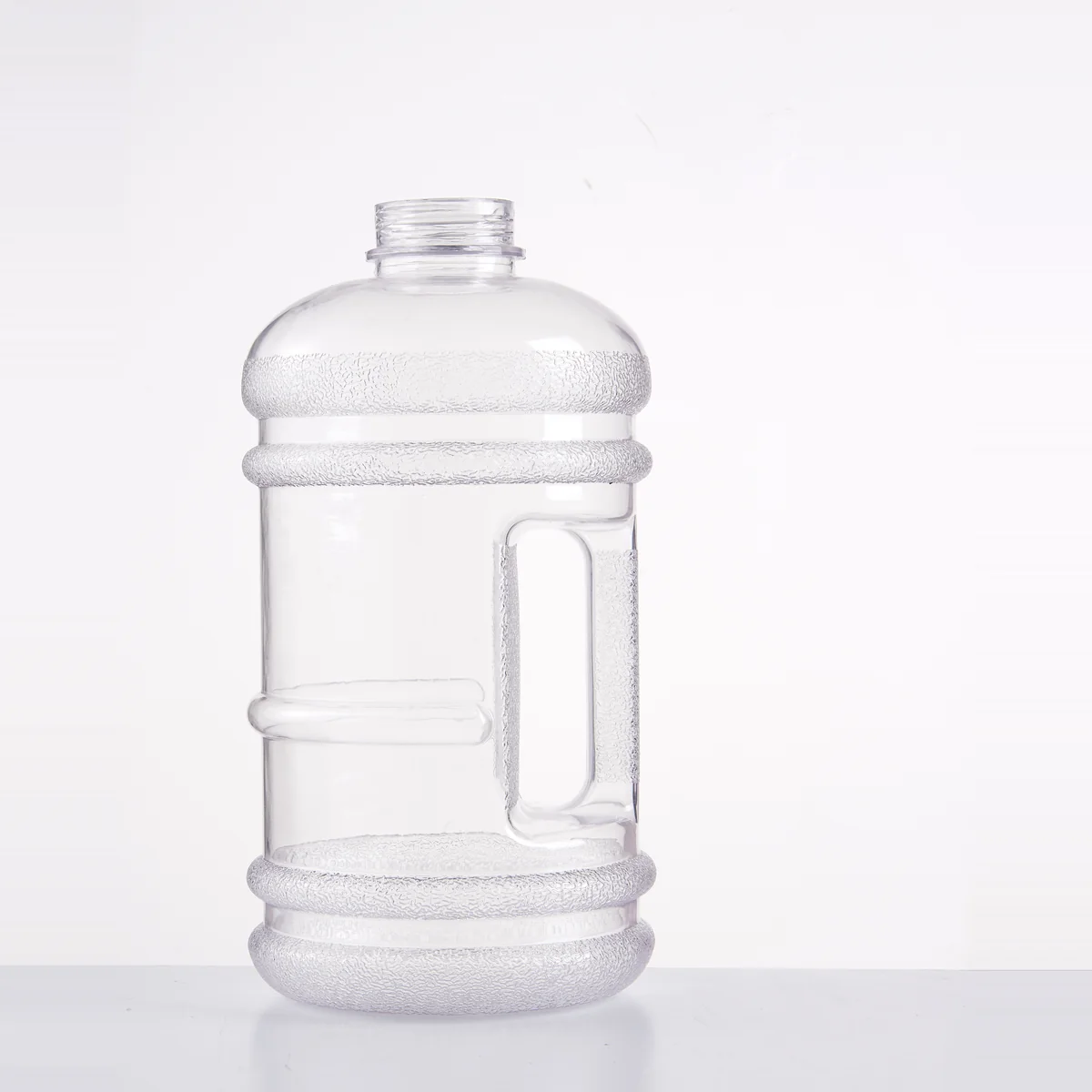
Clear packaging makes process variation visible. Scratches, haze, flow lines and uneven wall thickness cannot be hidden by colour or print, so PETG projects need a tighter conversation between resin, mold, machine and handling.
The E-SHION catalog lists a PETG double-station machine for 0.1–15 L with one to four cavities. It is a starting configuration, not a complete process recipe. Drying, temperature profile, screw design, die-head condition and mold cooling must be confirmed for the actual PETG grade and container design.
For clear parts, drying and temperature control are not secondary details. They belong in the machine and process specification from the start.
Selection factors
What drives the machine choice
These factors are reviewed together. One favourable number does not make a machine suitable.
Resin grade and drying: use the resin supplier's data sheet; moisture control is part of the process specification.
Container geometry: thick sections and tight radii need a cooling and cycle strategy, not just more power.
Cavity count: the catalog lists 1–4 cavities; the usable count depends on container size and mold layout.
Take-out and packing: clear parts show handling marks, so end-of-line design matters.
Typical applications
Container forms in this application
Images from the E-SHION media archive. They illustrate container types, not a guaranteed model match.
Starting platforms
Machines to review for this application
These are starting points from the catalog. The container drawing and mold review decide the final model.
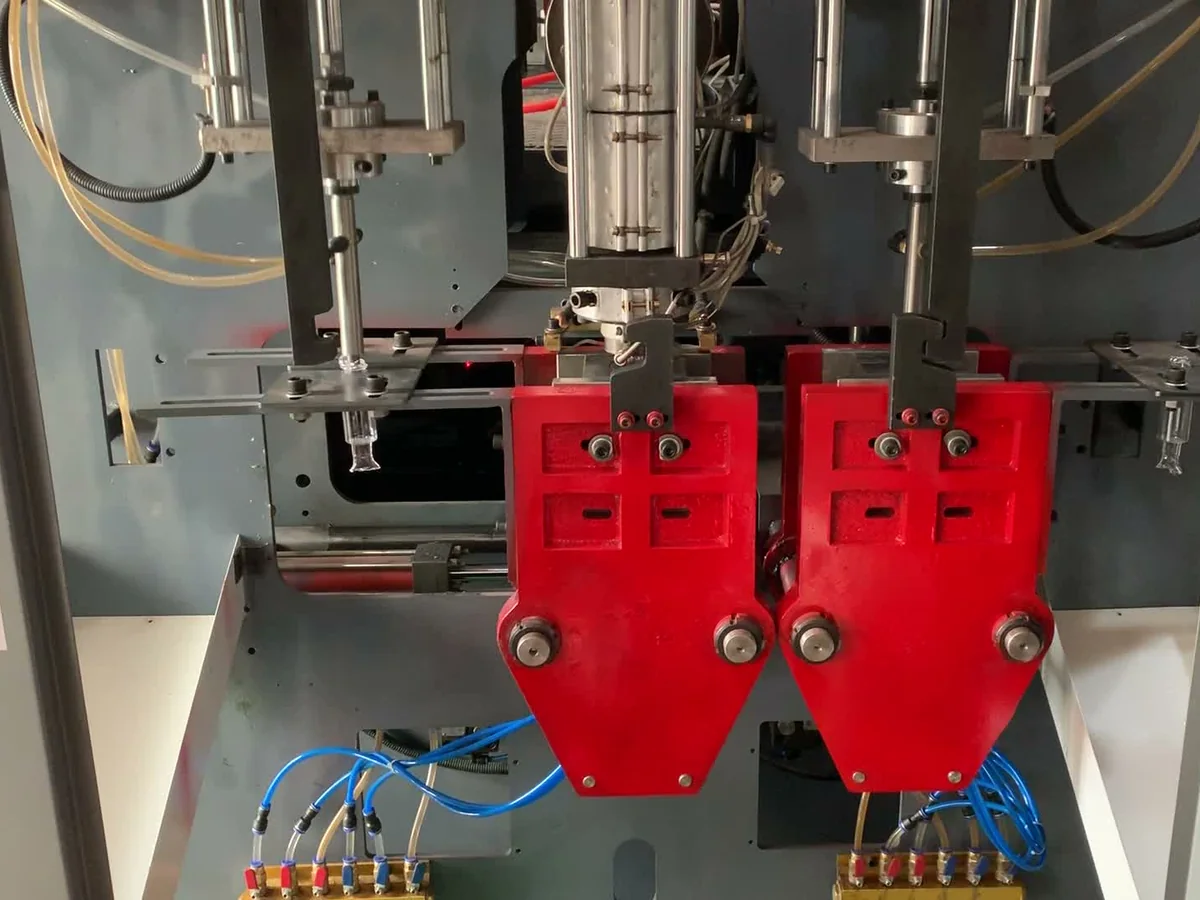 PETG · 0.1–15 L
PETG Double-Station Extrusion Blow Molding Machine
A double-station PETG configuration for 0.1–15 L transparent bottles, jars and shaped containers. The catalog lists 1–4 cavities and PETG as the raw material.
- Range
- 0.1–15 L
- Station
- Double station
- Cavities
- 1–4
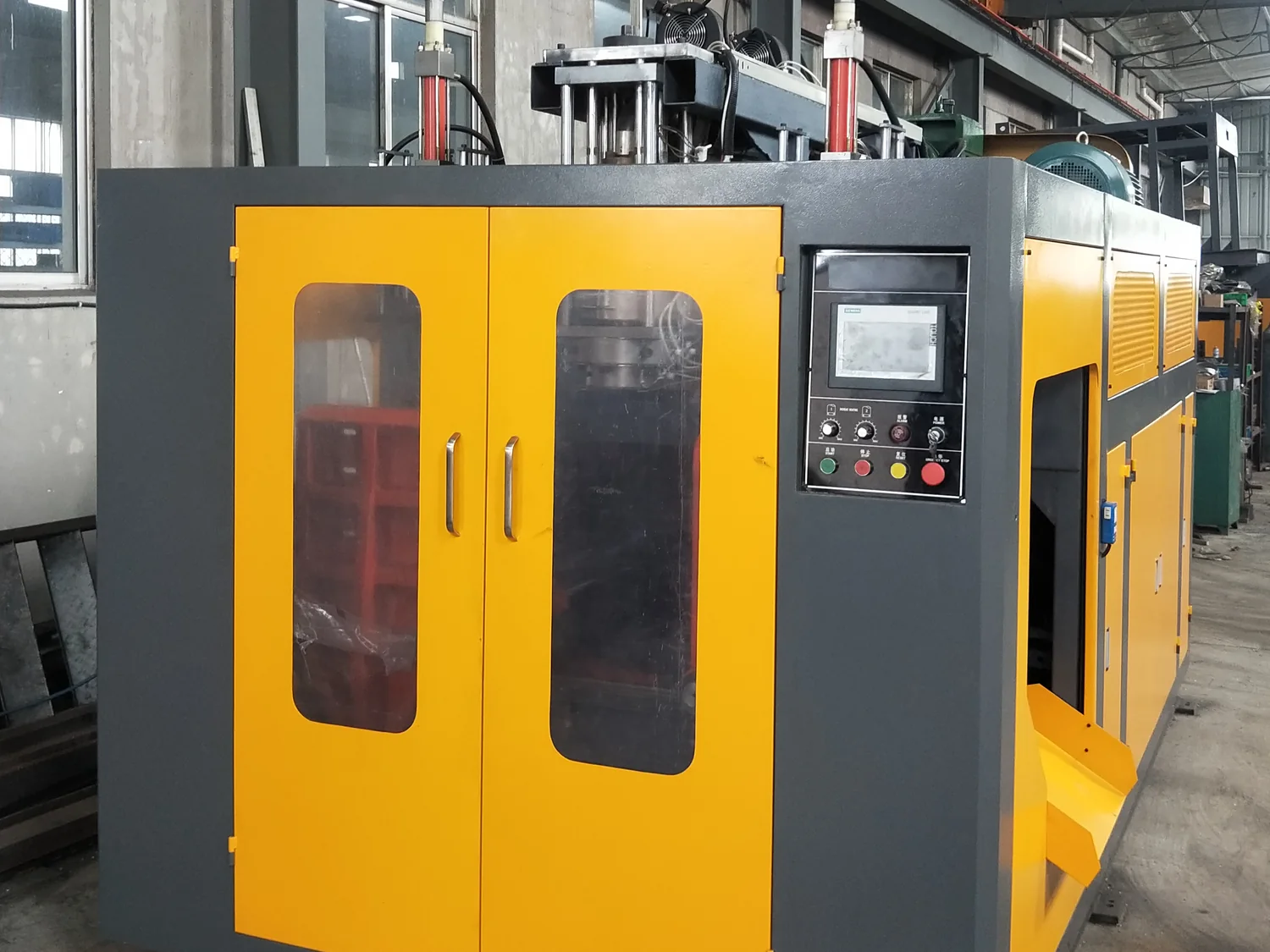 Single-station · 0.1–16 L
Single-Station Extrusion Blow Molding Machine
A compact single-station platform for 0.1–16 L bottles, jars and small containers. Catalog models cover 2, 5, 10 and 16 L volumes with one to six cavities.
- Range
- 0.1–16 L
- Station
- Single station
- Cavities
- 1–6
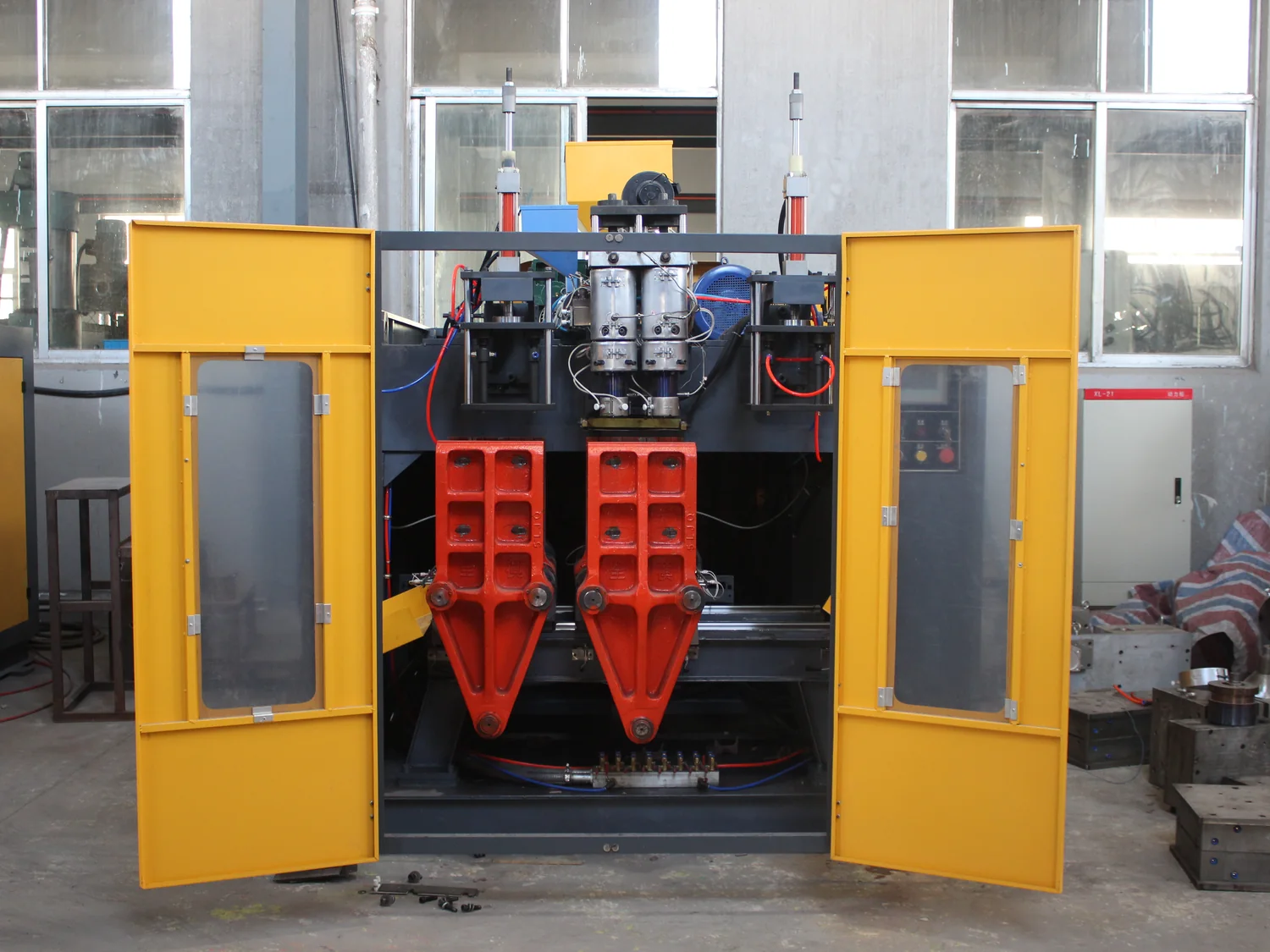 Double-station · 0.1–16 L
Double-Station Extrusion Blow Molding Machine
A double-station platform for higher output per cycle across 0.1–16 L containers. Catalog models cover 2, 5, 10 and 16 L maximum product volumes.
- Range
- 0.1–16 L
- Station
- Double station
- Cavities
- 1–6
Catalog models
Models worth comparing
Enquiry checklist
What to send with the enquiry
The more of these items are fixed, the fewer assumptions the quotation has to carry.
- Container drawing or 3D model with wall-thickness target
- PETG grade and supplier data sheet
- Clarity, colour and surface requirements
- Target output and cavity preference
- Existing mold and downstream handling details
Questions buyers ask
Application questions
Specific answers for this container category, including where the responsibility sits.
FAQIs the PETG machine different from the HDPE machine?
The catalog presents a dedicated PETG double-station configuration. The differences that matter in practice include the screw and temperature profile, drying, die-head design and cooling strategy. The final configuration must be matched to the PETG grade and the container.
Can you guarantee a clear part with no flow marks?
No responsible machine supplier can guarantee the appearance of a finished part without the mold, resin and process being proven together. The machine, mold, drying, temperature and cooling all contribute. A trial or sample approval process should be agreed before mass production.
Next step
Put the container in the centre of the conversation.
Send the drawing, material, output and any existing mold. The application gives context; the drawing and mold review make the recommendation specific.