
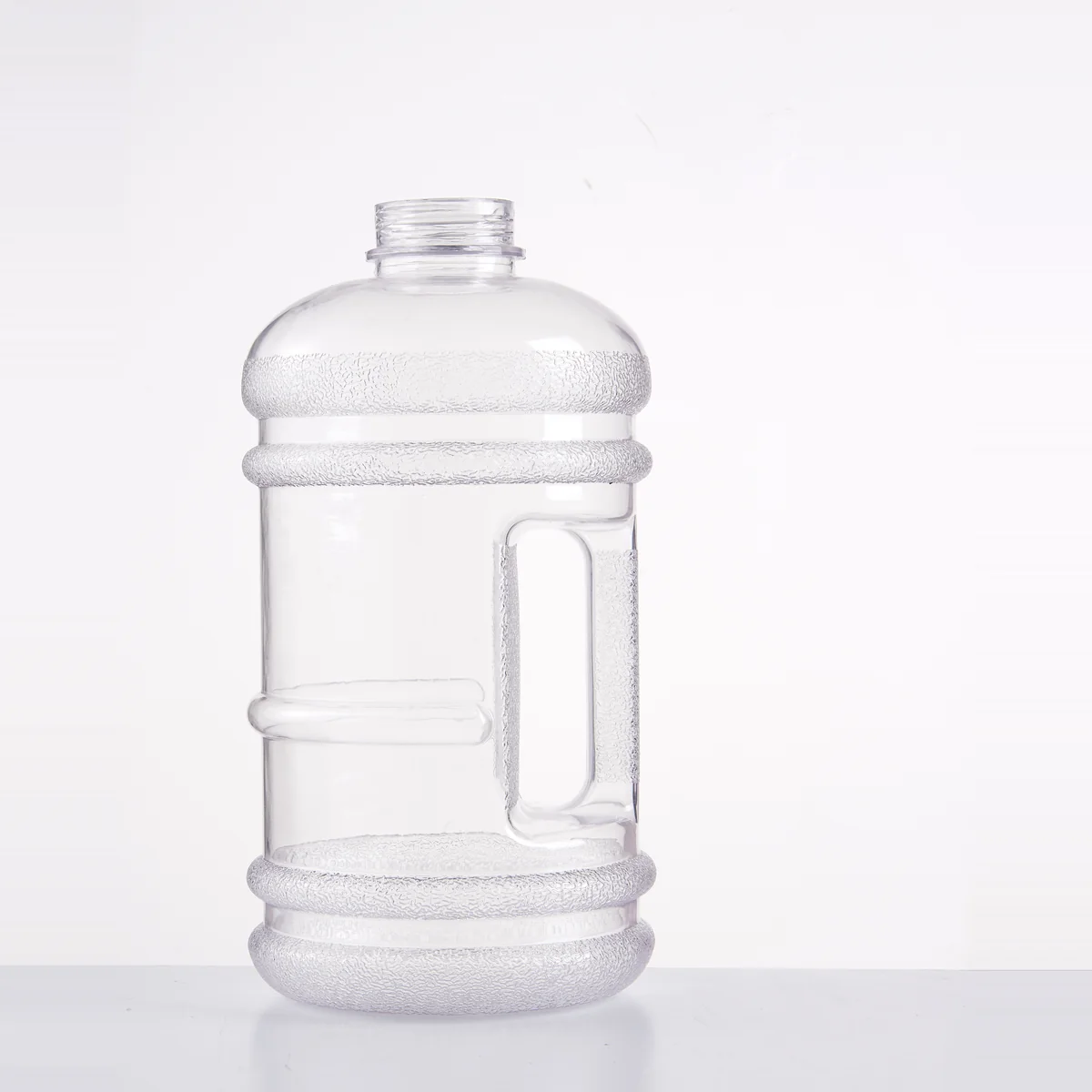
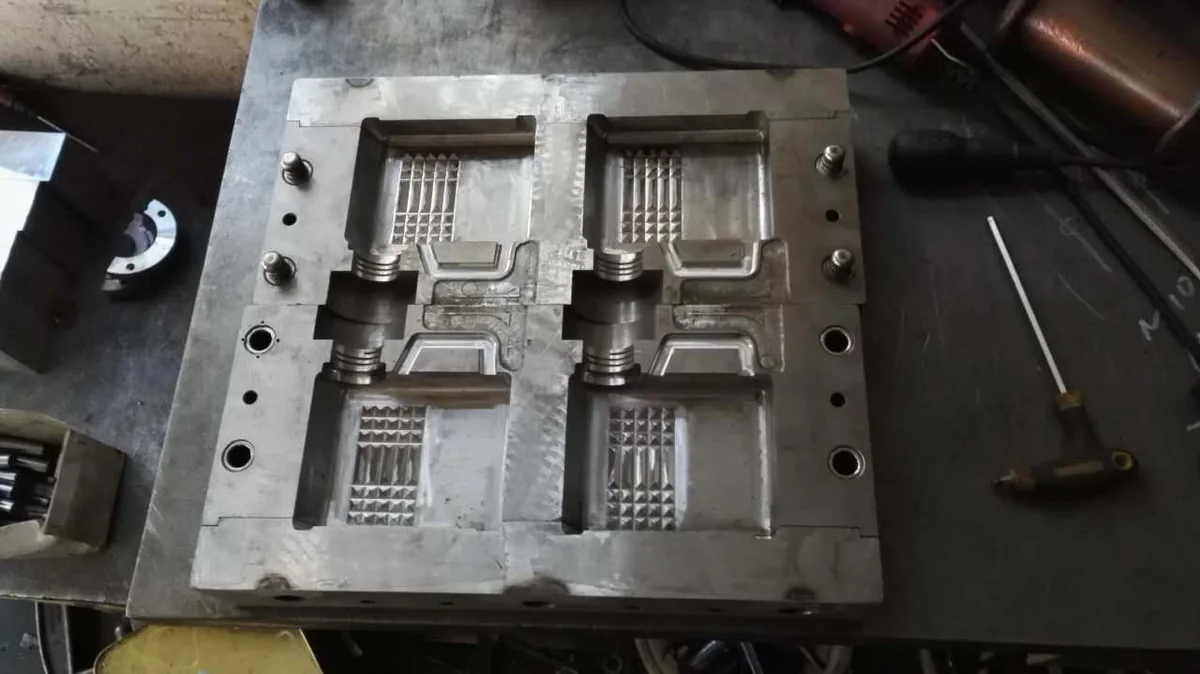
Container design: neck finish, handle, recessed panels and base geometry determine mold complexity.
Application · HDPE, PP, PETG (clear parts)
Food & Beverage Packaging
Oil, water, juice, dairy and food bottles in HDPE, PP and PETG, from small formats to multi-litre containers.
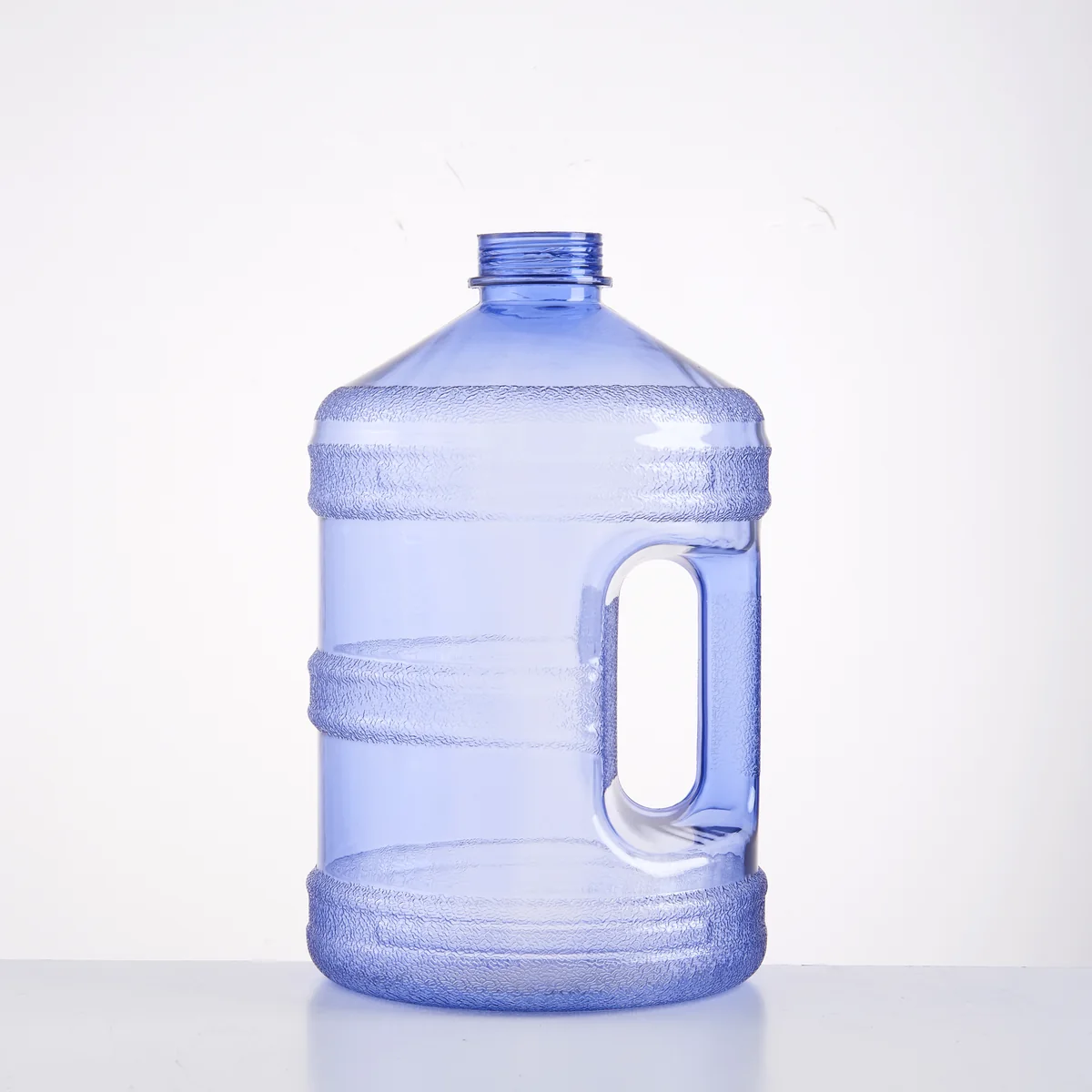
Food and beverage packaging adds a different layer of risk. The container must meet the filling line, the closure, the label and the food-contact requirement — and the machine must hold a stable cycle without drifting.
The machine choice starts with the container and the material. Edible-oil bottles, water bottles, dairy containers and wide-mouth food jars have different neck, handle and wall-thickness requirements, even when their nominal volume is similar.
Food projects need a documented material and mold plan, a clean production environment and a machine configuration that can hold the required cycle consistently.
Selection factors
What drives the machine choice
These factors are reviewed together. One favourable number does not make a machine suitable.
Material and food-contact documentation: confirm the resin grade and required declarations with the material supplier.
Cycle stability: filling lines do not run on catalogue averages; use a measured cycle and a defined scrap rate.
Cleanliness and handling: take-out automation and covered conveyors may matter depending on the plant.
Capacity: small formats can run multi-cavity; larger oil and water bottles may need a larger platen and greater platen spacing.
Typical applications
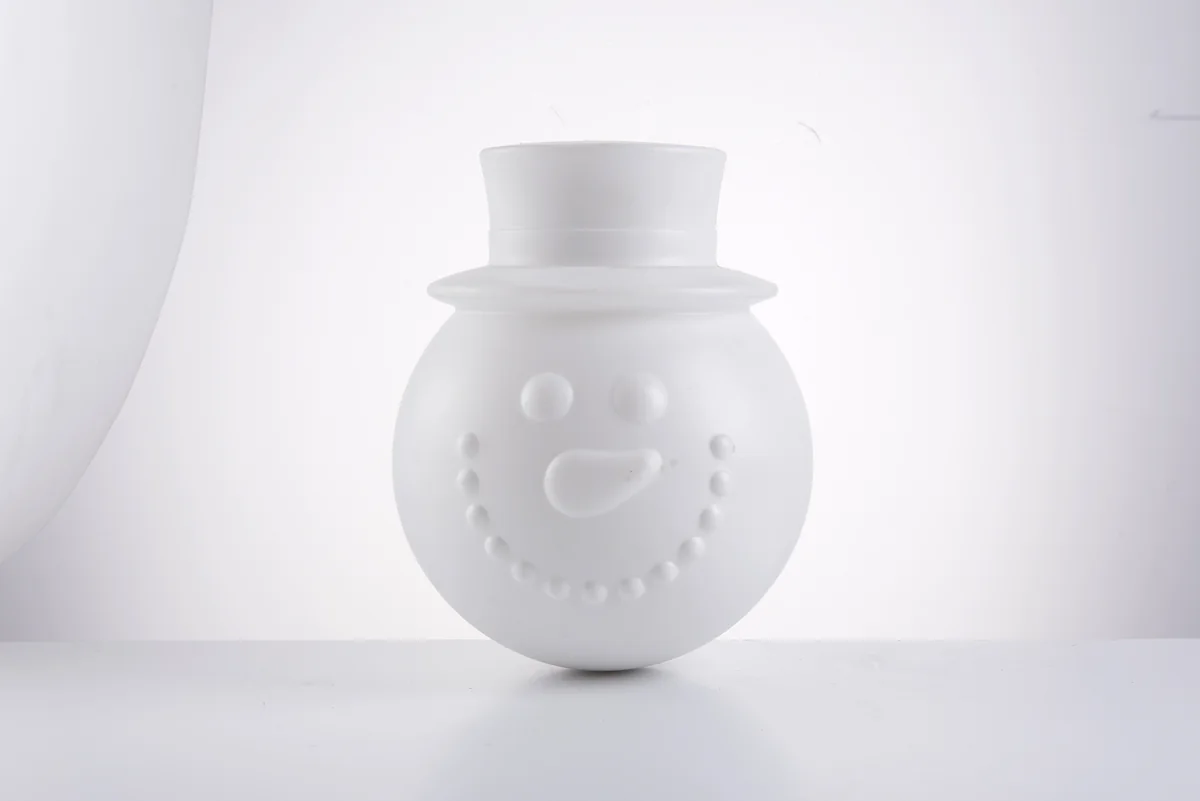
Container forms in this application
Images from the E-SHION media archive. They illustrate container types, not a guaranteed model match.
Starting platforms
Machines to review for this application
These are starting points from the catalog. The container drawing and mold review decide the final model.
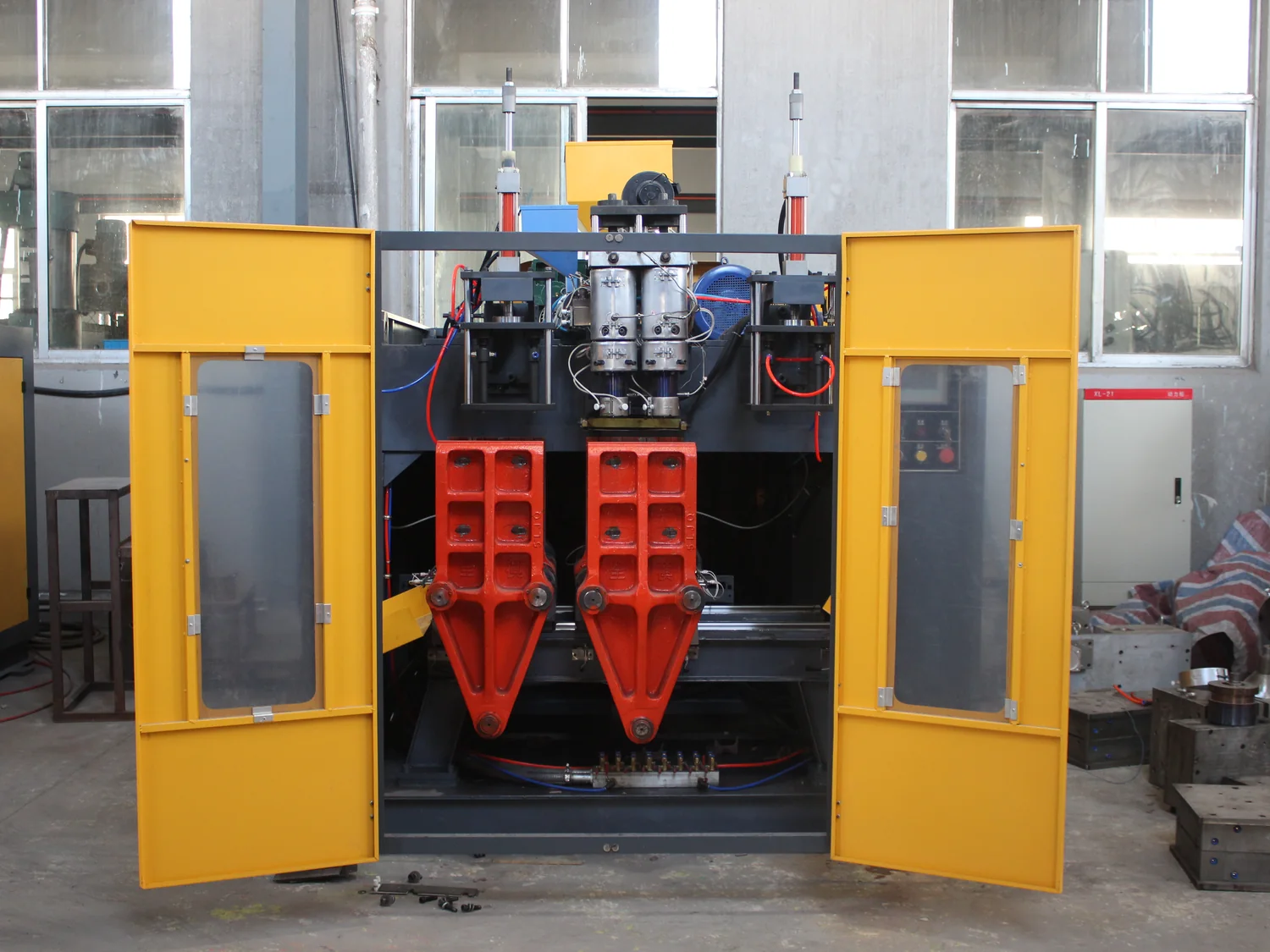
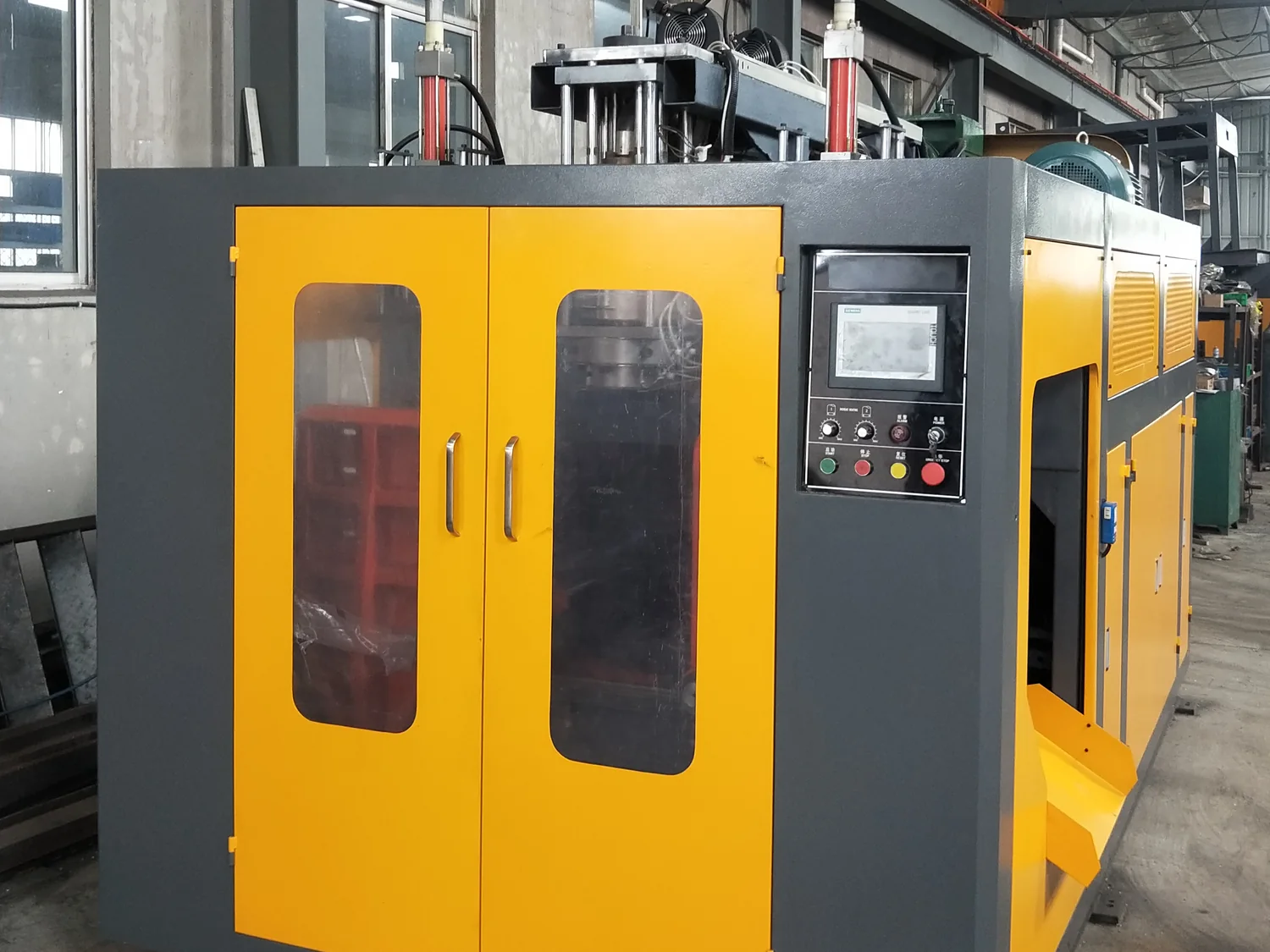 Single-station · 0.1–16 L
Single-Station Extrusion Blow Molding Machine
A compact single-station platform for 0.1–16 L bottles, jars and small containers. Catalog models cover 2, 5, 10 and 16 L volumes with one to six cavities.
- Range
- 0.1–16 L
- Station
- Single station
- Cavities
- 1–6
 Double-station · 0.1–16 L
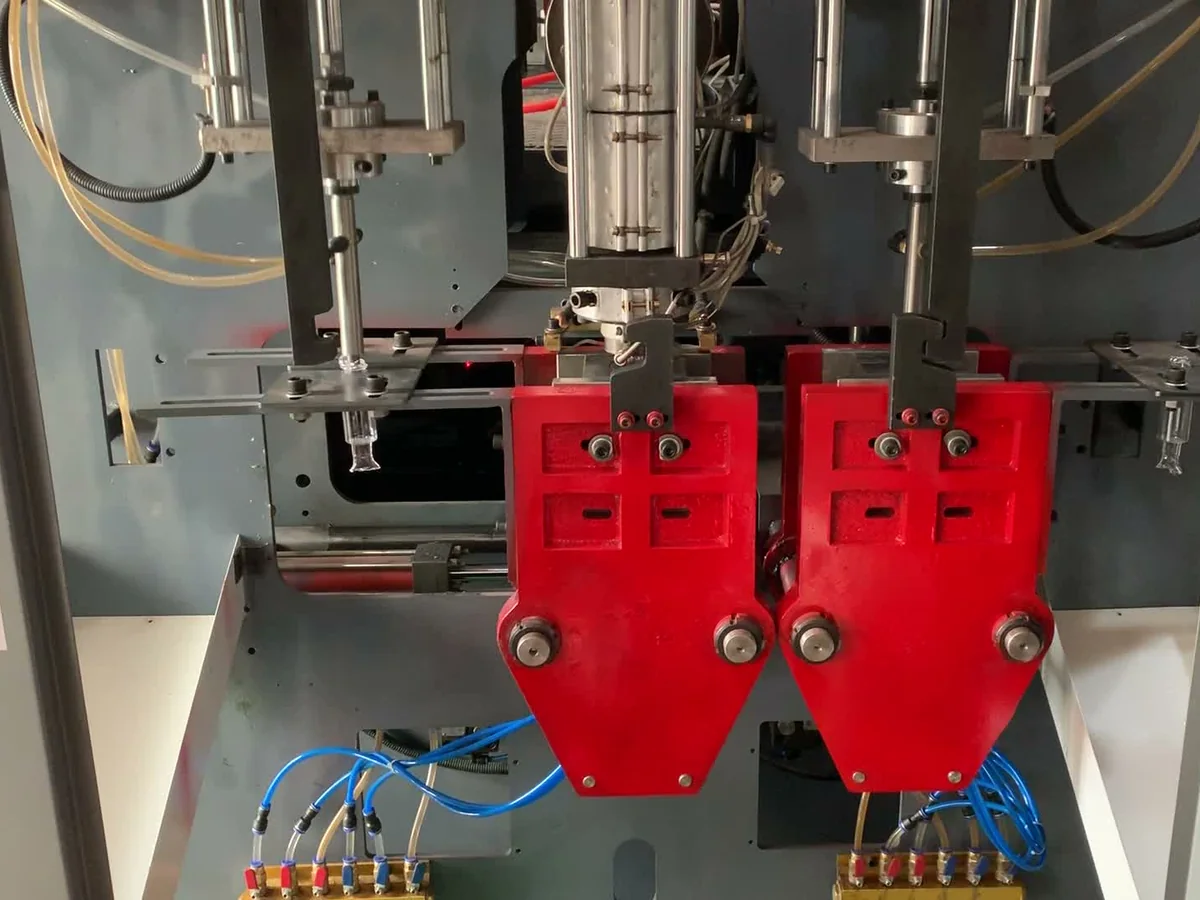
Double-Station Extrusion Blow Molding Machine
A double-station platform for higher output per cycle across 0.1–16 L containers. Catalog models cover 2, 5, 10 and 16 L maximum product volumes.
- Range
- 0.1–16 L
- Station
- Double station
- Cavities
- 1–6
 PETG · 0.1–15 L
PETG Double-Station Extrusion Blow Molding Machine
A double-station PETG configuration for 0.1–15 L transparent bottles, jars and shaped containers. The catalog lists 1–4 cavities and PETG as the raw material.
- Range
- 0.1–15 L
- Station
- Double station
- Cavities
- 1–4
Catalog models
Models worth comparing
Enquiry checklist
What to send with the enquiry
The more of these items are fixed, the fewer assumptions the quotation has to carry.
- Container drawing and closure/neck specification
- Resin grade and food-contact documentation requirement
- Fill volume, target weight and wall-thickness range
- Output target and filling-line constraints
- Existing mold and downstream equipment details
Questions buyers ask
Application questions
Specific answers for this container category, including where the responsibility sits.
FAQCan you confirm food-contact compliance for the bottle?
The compliance of the finished article depends on the resin, additives, processing and the destination market's rules. The machine supplier can support the process, but the food-contact declaration must be built from the material supplier's documentation and the converter's own verification. Do not rely on a machine brochure for this.
Which series fits an edible-oil bottle?
For bottles within 0.1–16 L, the single- or double-station small-container series can be reviewed. The final choice depends on bottle dimensions, cavity count, output and whether the neck/handle geometry fits the platen size and platen spacing. Larger formats need a separate review against the 20–50 L platform or beyond.
Next step
Put the container in the centre of the conversation.
Send the drawing, material, output and any existing mold. The application gives context; the drawing and mold review make the recommendation specific.