The question sounds simple, but the answer is a map, not a list. A blow molding machine can make a bottle, a jar, a jerrycan and a drum because they share a hollow body and an opening. It cannot make every plastic part. The product family, size, material and tolerance decide whether extrusion blow molding is the right process. The product family is the first filter, not the final answer.
The short answer: hollow parts from 0.1 L to 50 L
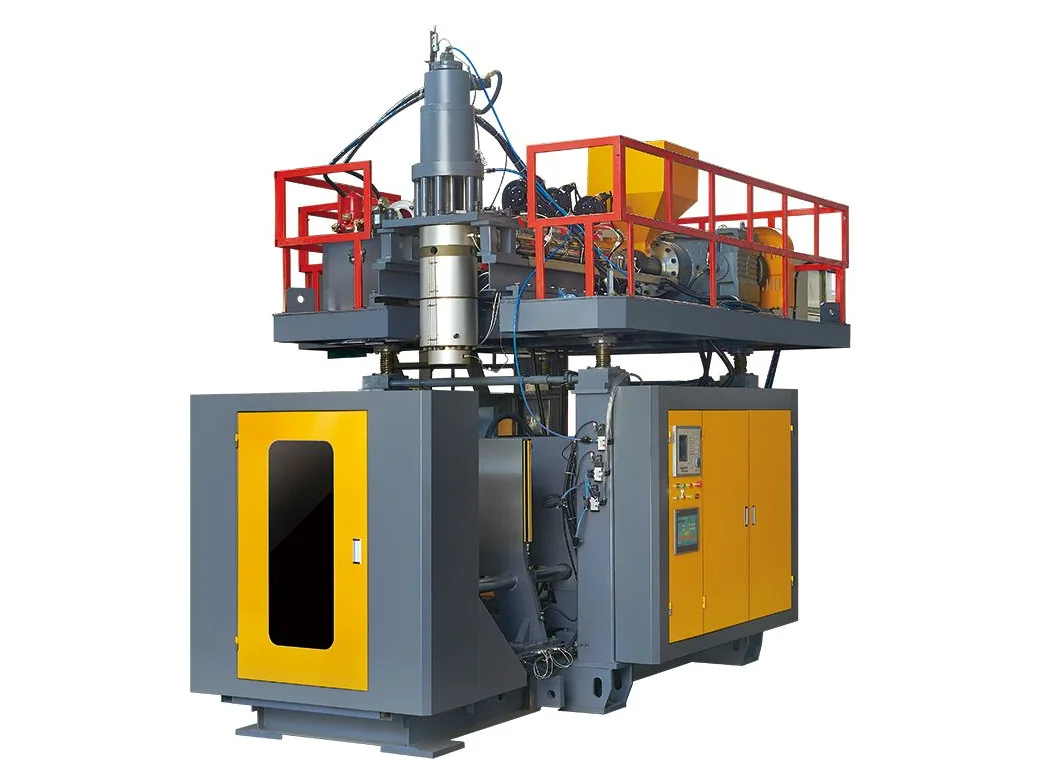
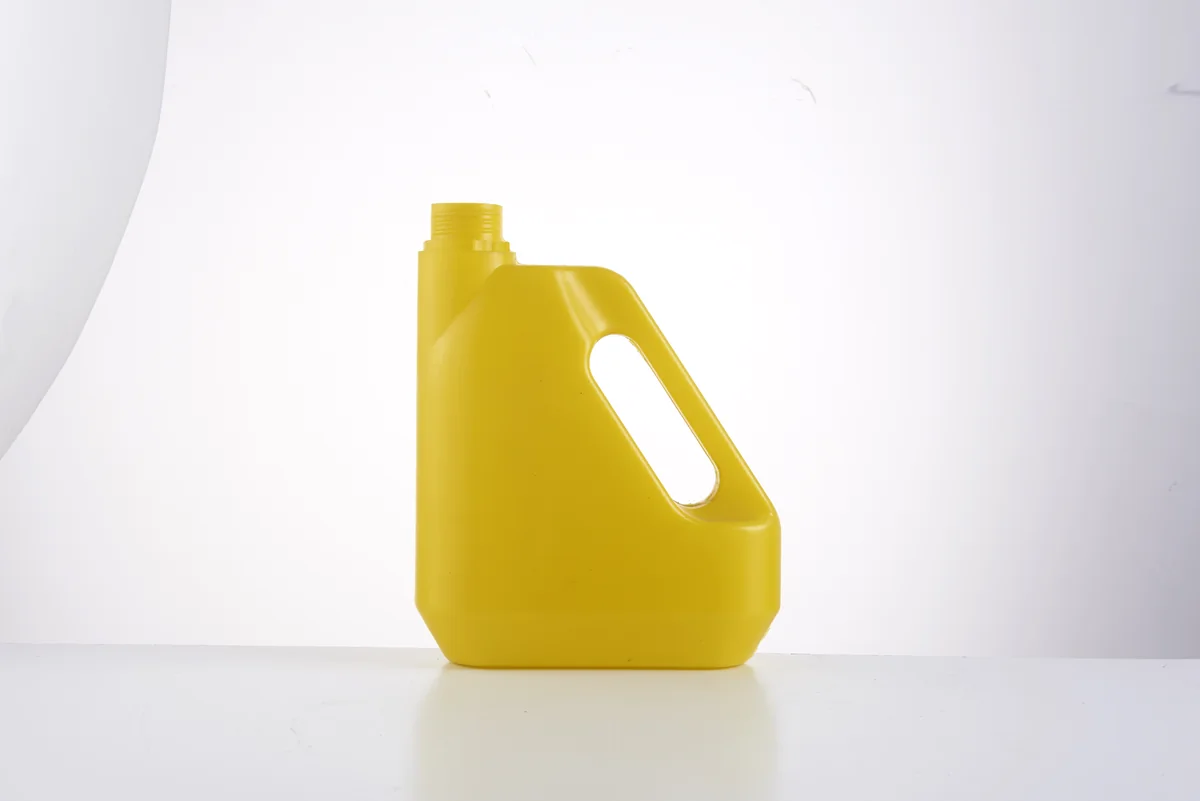
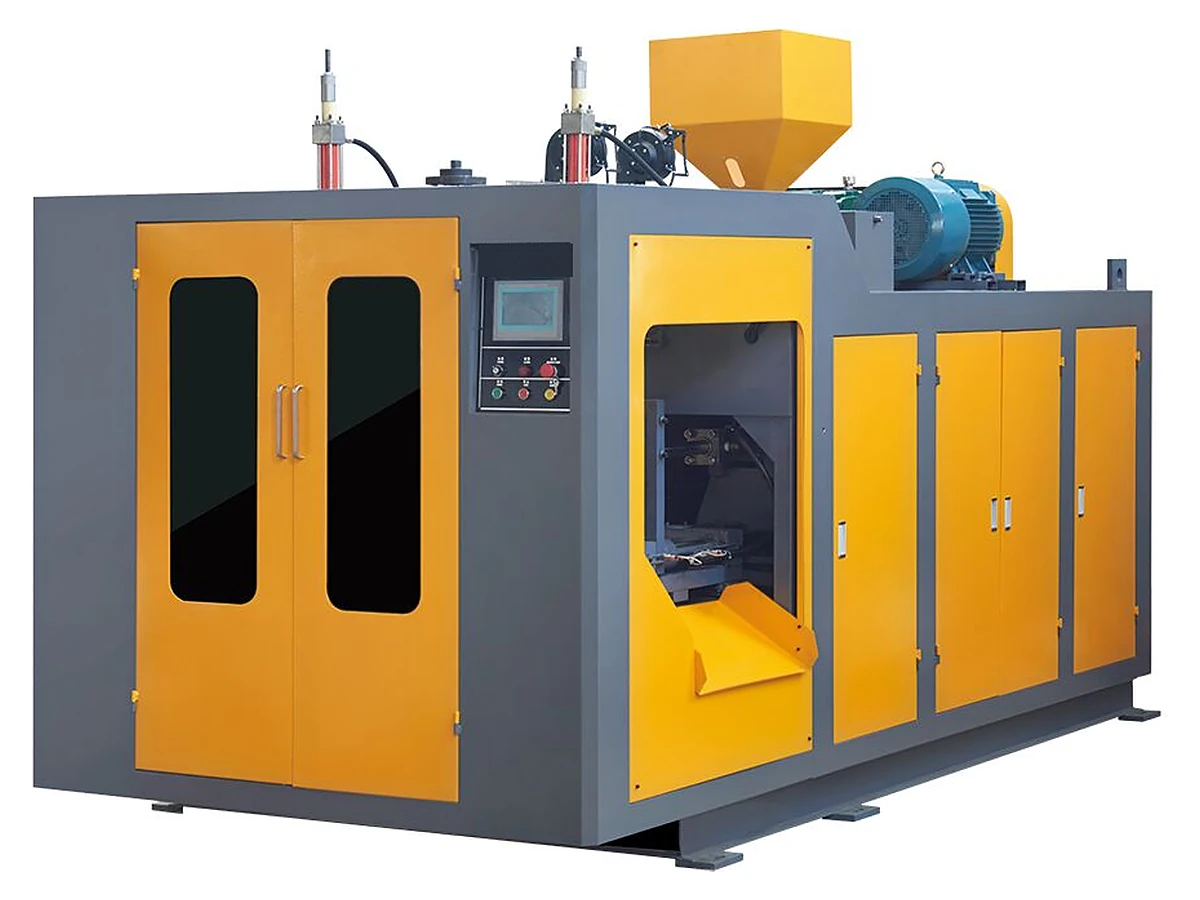
The E-SHION range covers about 0.1–50 L: bottles, jars, jerrycans, drums, buckets, wide-mouth containers and technical hollow parts. The part must have a hollow body and a way to form the opening. If the shape is solid, very thin-walled or needs a precision thread, another process may fit better.
Product families and the platform that fits
Use the table as a first map, then check the drawing against the platen, clamp and mold. The same nominal volume can belong to different platforms when the shape is tall, wide or has a handle.
| Product family | Typical size | Common material | Platform to check |
|---|---|---|---|
| Bottles and small jars | 0.1–2 L | HDPE, PP, PETG, PVC | ES-2LS / ES-5LS, 1–6 cavities |
| Medium bottles and jars | 2–10 L | HDPE, PP, PETG | ES-5LS / ES-10LS |
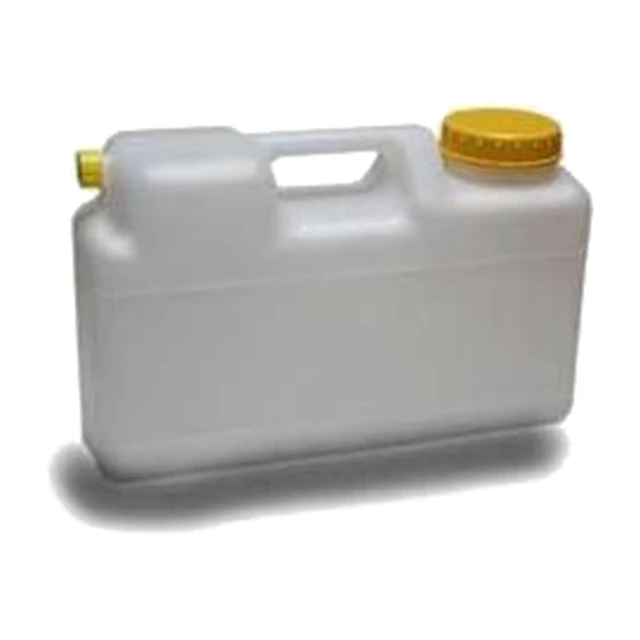
| Jerrycans and handled containers | 3–20 L | HDPE, PP | ES-10LS / ES-16LS / ES-30L |
| Drums and tight-head containers | 20–50 L | HDPE | ES-30L / ES-50L |
| Buckets and wide-mouth containers | 1–20 L | PP, HDPE | ES-10LS / ES-30L, wide-mouth mold |
| Technical hollow parts | Project-specific | HDPE, PP, PA, EVOH | Confirm the parison, mold and take-out |
Swipe the table to see all columns →
What the machine does not decide
Before quoting, make a one-page product brief: a dimensioned drawing, the filled weight, the neck or opening, the material, the annual volume and the tests the customer will run. The brief lets the mold designer and the machine seller check the same facts. A product map is not a substitute for that brief; it only tells you which questions to ask. If the part is close to a boundary — a tall 16 L container, a 5 L jar with a wide mouth, a 20 L drum with a handle — ask for a mold and machine review rather than choosing by nominal volume. Also separate the product from the package system: the bottle may be blow molded, but the closure, label, liner and filling line are separate purchases. The machine quotation covers the hollow part, not the whole pack. That distinction keeps the comparison honest, and it is why a boundary check should be in writing.
The machine provides the clamp, extruder, die head and take-out envelope. The mold decides the shape, the neck and the wall map. The resin decides the chemical resistance, the clarity and the food-contact route. A product map is only useful when those three are checked together; a machine that can make a 5 L bottle may not make a 5 L jar with a wide mouth and a thick base.
The 20–50 L range is covered in20–50 L container production, the material side inHDPE chemical compatibility, and multi-station layouts inmulti-station blow molding.
What to send for a quotation
A product map becomes a quotation when the part is specific. Send these with the enquiry:
- Container drawing in 2D and 3D, with volume, weight, neck and wall target.
- Product family and whether it is a bottle, jar, jerrycan, drum or technical part.
- Material and any food-contact, chemical or barrier requirement.
- Annual volume, cavity preference and output per shift.
- Whether the part needs a handle, wide mouth, insert or label panel.
- Destination and the filling or packing interface.
Compare the0.1–16 L single-station rangeand20–50 L range, then send the drawing through thecontact page.
Source: E-SHION product data. Specifications are subject to change without notice; customization is available.
This guide is written for production and procurement decisions. It uses published figures where available and avoids unverified performance claims.