Your buyer asks one question on the specification sheet: how much recycled content is in the bottle? The answer is not a single number. It depends on where the bottle is sold, what it holds and which year you ship in. A percentage that satisfies one market can miss another, and a figure that looks compliant on paper can fail on traceability. Before you choose a machine or a mould, fix the market and the calculation method.
The short answer: three markets, three thresholds
For an HDPE bottle, the EU PPWR sets 2030 targets of 30% for single-use beverage bottles, 10% for contact-sensitive non-PET plastic packaging and 35% for other plastic packaging. The UK Plastic Packaging Tax uses a 30% threshold for the lower rate. California SB 54 phases its requirements through CalRecycle.
Those figures are a starting point, not a specification. Each rule covers a different set of packaging, uses its own calculation base and changes on its own timetable. Before you order a mould, confirm the market, the packaging category and the reporting year.
What each rule counts, and when
The EU PPWR sets 2030 recycled-content targets in three tiers: 30% for single-use beverage bottles, 10% for contact-sensitive non-PET plastic packaging and 35% for other plastic packaging. A non-beverage, non-contact-sensitive HDPE bottle usually sits in the 35% tier, but the category decides the number, so confirm the classification before you design the bottle.
The UK Plastic Packaging Tax uses a 30% threshold to separate the lower rate from the higher rate. Packaging below the threshold does not qualify for the lower rate; packaging at or above it does. The rate is reviewed annually, so use the figure HMRC publishes for the year you are pricing. A rate copied from last year's file may already be out of date.
California SB 54 phases its requirements through CalRecycle. The practical percentages, dates and reporting duties come from the rules CalRecycle adopts, so check the current rulemaking before you specify a bottle for that market. A number that was correct two years ago may not be the number today.
Food contact adds a second gate. Recycled HDPE for food-contact packaging needs clearance, EFSA in the EU and FDA in the US, tied to the recyclate source and the recycling process, not to the percentage on the label. Ask the supplier for the current document and keep it with the batch records.
- Which market the bottle is sold in, and which packaging category it falls under.
- Which year you are reporting for, and which version of the rule applies.
- Who holds the food-contact clearance, and whether it covers your recyclate source.
Three markets side by side
| Market | Rule | Recycled-content requirement | What it means for an HDPE bottle |
|---|---|---|---|
| EU | PPWR, 2030 targets | 30% single-use beverage bottles; 10% contact-sensitive non-PET plastic packaging; 35% other plastic packaging | Most non-beverage HDPE bottles sit in the 35% tier; confirm the category |
| UK | Plastic Packaging Tax | 30% threshold for the lower rate; the rate is reviewed annually | Below 30% does not qualify for the lower rate; check the HMRC figure |
| California | SB 54, phased through CalRecycle | Percentages and dates set by CalRecycle rules, phased in over time | Confirm the current requirement and reporting year |
Swipe the table to see all columns →
Worked example: one plant, one year
The calculation is arithmetic on top of a definition. Recycled content is the eligible recycled plastic divided by the total plastic in the packaging you place on that market in the reporting year, multiplied by 100. The hard part is the denominator: counting per component, per product, per plant or per market gives different answers, so agree the method with your compliance scheme before you set a target.
Take an illustrative plant that converts 1,000 tonnes of HDPE into bottles in a year and has to declare 35%. It needs 350 tonnes of eligible recyclate in the same year. If it can only buy 300 tonnes, it is at 30% and misses the tier: a 50-tonne gap on 1,000 tonnes of output. That gap is a purchasing decision made months before the machine runs.
In-house regrind is the usual confusion. Whether your own scrap counts, and how it is recorded, is a question for your compliance scheme, not for the machine supplier. Get the answer in writing before you plan tonnage, because it decides how much virgin and recycled material you buy each month.
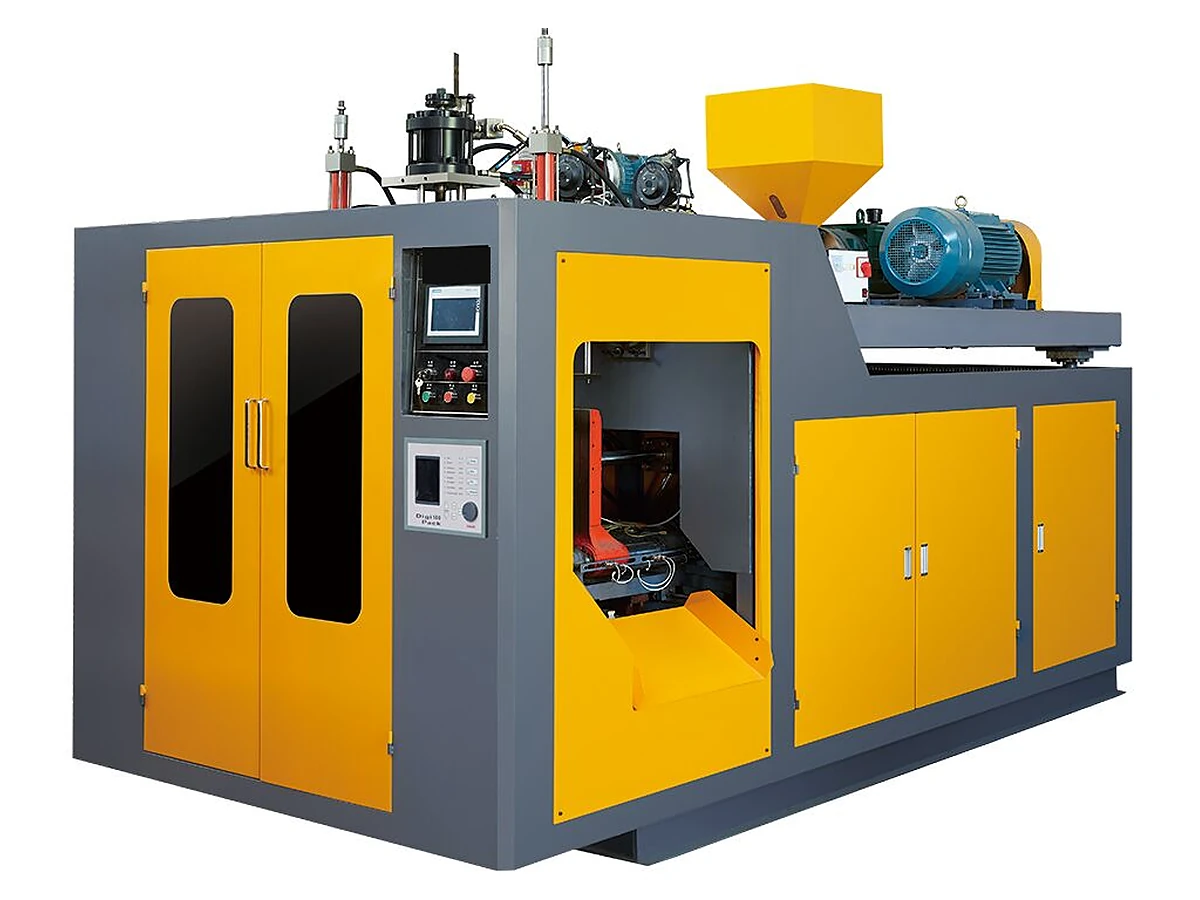
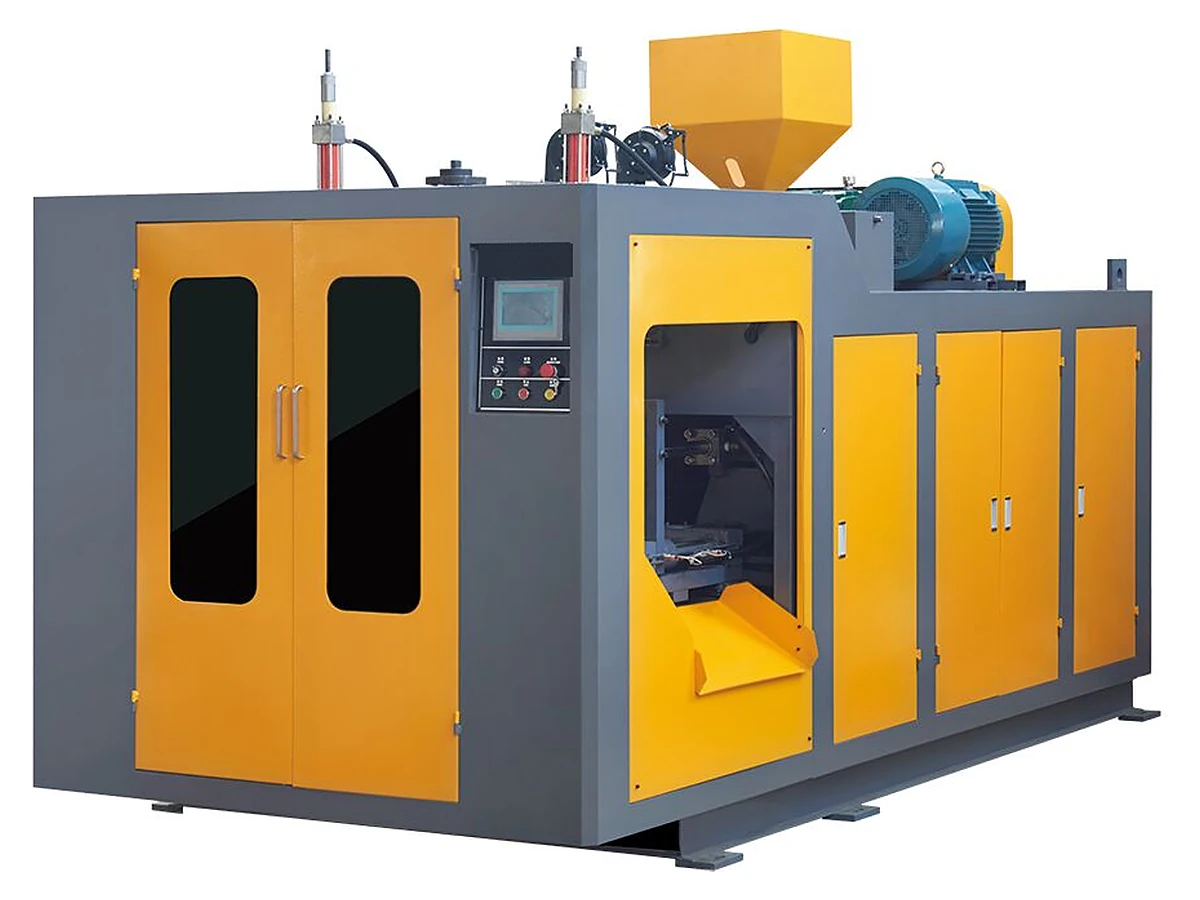
The machine side is smaller but real. Recycled HDPE varies from batch to batch in colour, odour, die swell and parison strength. Expect to re-tune the parison programme and to confirm wall thickness and cycle time on a test run with the actual recyclate, not with virgin pellets. A machine with enough plasticizing capacity and stable parison control leaves more room to adjust; it does not remove the test.
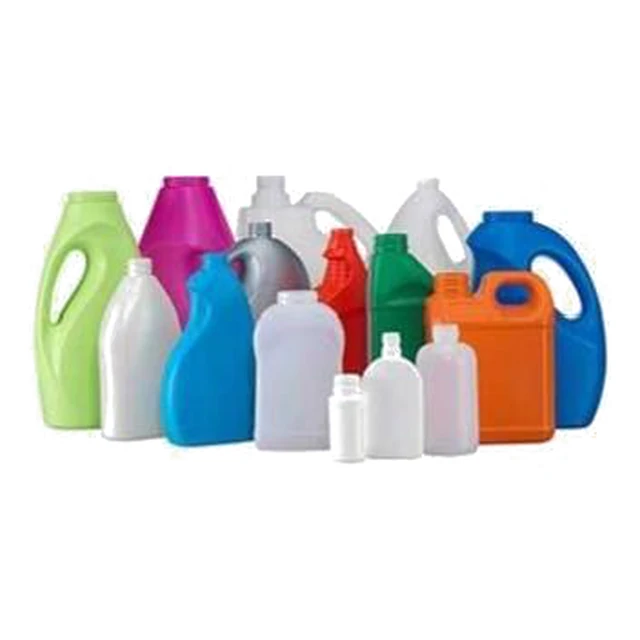
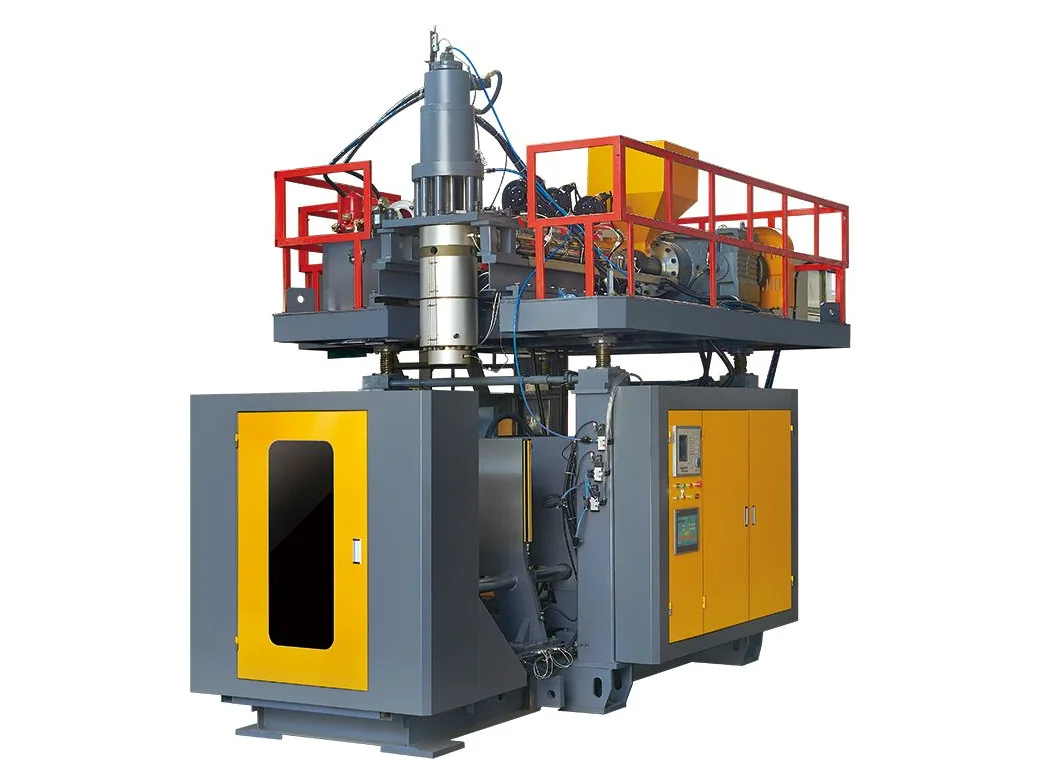
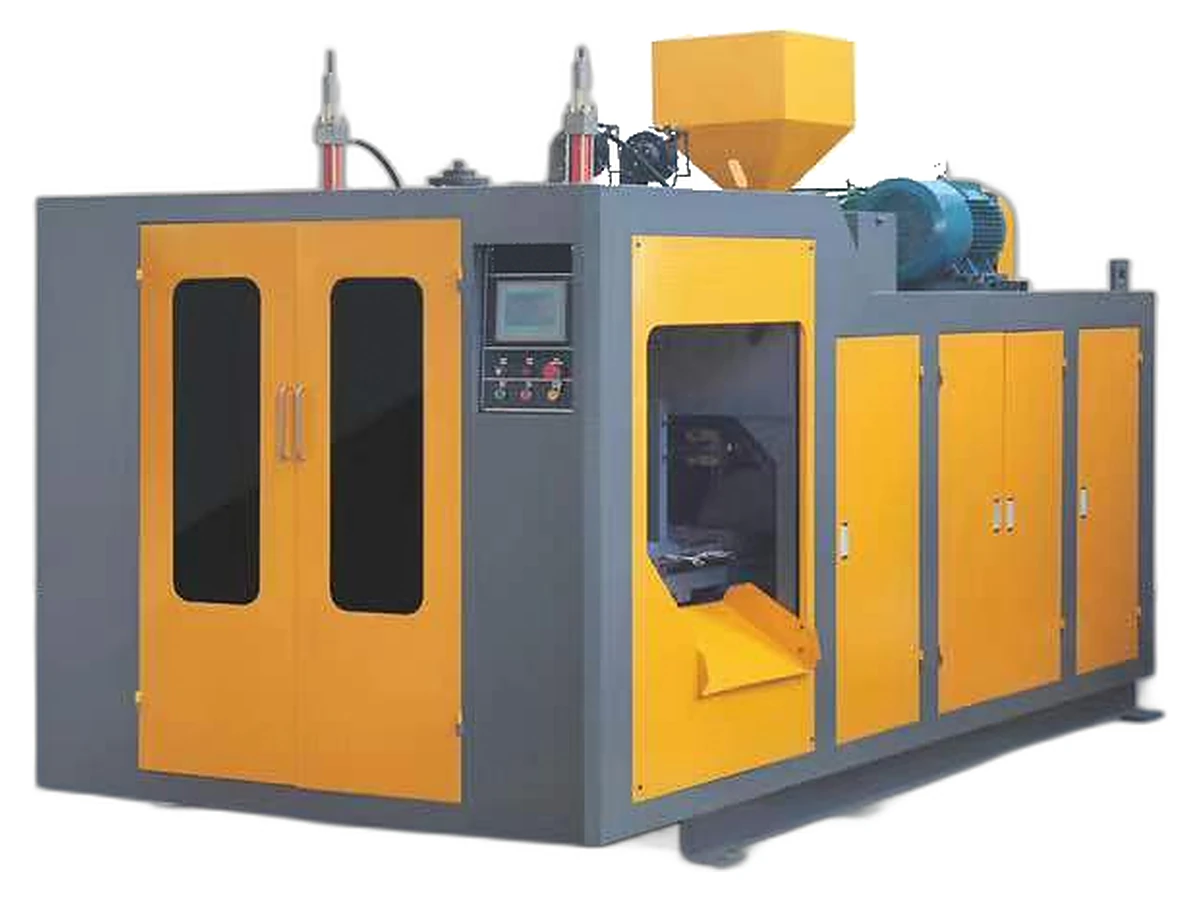
The 2030 tiers and what they mean for the machine are broken down inPPWR recycled content for blow molding. If the bottle also needs CE or UKCA documentation, seeCE and UKCA for blow molding machines. Machine scope for bottles in this size range:single-station 0-16 Landdouble-station 0-16 L.
What to send for a quotation
A quotation for a bottle with a recycled-content target needs more than a volume. Send the following and the proposal can be specific instead of generic.
- Bottle drawing or 3D file with neck finish, weight and wall-thickness range.
- Target market and rule: EU PPWR tier, UK PPT threshold or California SB 54, plus the reporting year.
- Recyclate details: resin type, source, pellet or flake, declared percentage, and the food-contact clearance if the bottle is for food.
- Output: bottles per hour or tonnes per year, and the cavity count you are considering.
- Workshop limits: voltage, compressed air, chiller capacity and floor space.
- Mould status: new tool or existing mould, and whether you need take-off and leak testing.
Source: E-SHION product data. Specifications are subject to change without notice; customization is available.
This guide is written for production and procurement decisions. It uses published figures where available and avoids unverified performance claims.