A clear PETG bottle that looks perfect at the blow molding machine can still fail in the filling hall. The usual cause is not the mold but the fill temperature: a grade that holds its shape at room temperature may creep, panel or distort once warm product sits in it. Before you approve a PETG container, settle three things — the highest temperature the bottle must survive, how long it stays there, and what load it carries while hot.
What Temperature Can a PETG Bottle Handle?
Most PETG blow molding grades are rated for continuous use around 60–70 °C, with heat deflection temperatures of roughly 60–71 °C. Short excursions and some media-bottle grades reach about 70 °C, and low-temperature service to about -40 °C is possible. PETG is not a steam-autoclave material, and every limit is grade-specific.
Continuous Use vs Heat Deflection: Two Numbers, Two Meanings
Datasheets usually give two temperatures, and buyers often read them as one. Continuous service temperature describes long-term exposure — the contents, storage and transport the bottle lives with for weeks or months. Heat deflection temperature describes short-term stiffness under a defined test load. A bottle can pass a short heat-deflection figure and still sag in a warm warehouse, because creep is a time effect, not only a temperature effect.
The blown bottle is not the datasheet specimen either. Wall thickness, mold cooling, parison temperature and the stress frozen into the pinch-off all shift real performance. Treat the resin numbers as the ceiling for the grade, then confirm the container itself with a fill test.
Grade selection accounts for much of the spread. General-purpose and higher-heat PETG grades can behave differently in the same application, and the supplier's sheet for the exact grade is the only reliable source. Ask how the value was measured and whether it applies to a blown bottle, not just to the resin.
- Continuous service temperature: the long-term ceiling for contents and storage; above it, creep and panel softening accelerate.
- Heat deflection temperature: a short-term stiffness indicator under a defined load, not a hot-fill approval.
- Low-temperature service: some media-bottle grades are rated to about -40 °C; cold storage is usually less of a constraint than heat.
- Steam autoclave: not recommended for PETG; confirm any sterilization route with the resin supplier before choosing the container.
PETG Bottle Temperature Ranges at a Glance
The table collects ranges that appear in public PETG datasheets. They are indicative, not a specification for your bottle: your grade sheet and a fill test on your own container decide the final limit.
| Measure | Indicative range | What it means for your bottle |
|---|---|---|
| Continuous service temperature | About 60–70 °C, grade-dependent | Long-term contents and storage above this soften and creep; keep the working fill below it. |
| Heat deflection temperature | About 60–71 °C | Short-term stiffness under load; not an approval for hot filling. |
| Media-bottle service example | About -40 °C to +70 °C | Some grades cover this span; low-temperature use is usually less critical than heat. |
| Steam autoclave | Not recommended | PETG is not an autoclave material; choose another sterilization route or resin. |
| Hot fill above the grade limit | Grade-specific — test required | Run a fill test on the actual bottle before committing the line. |
Swipe the table to see all columns →
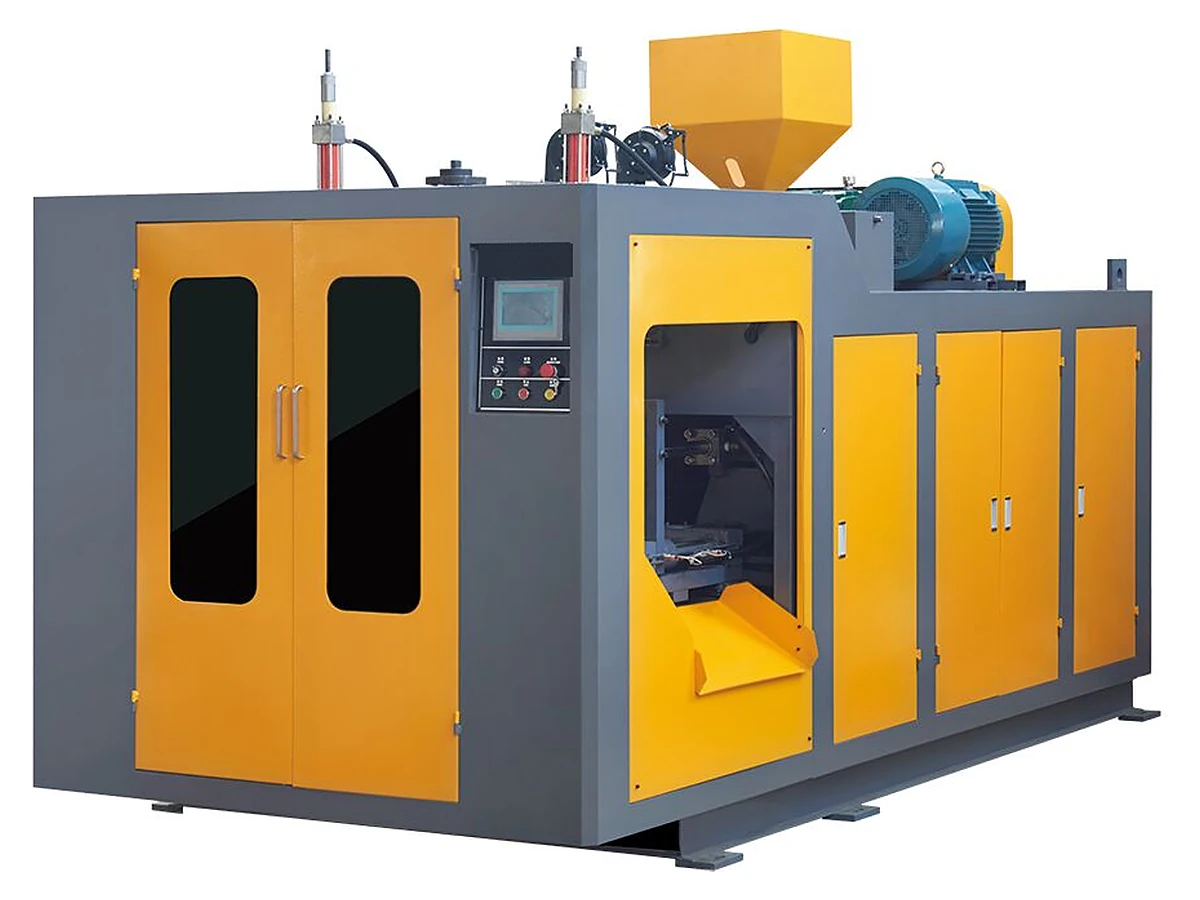
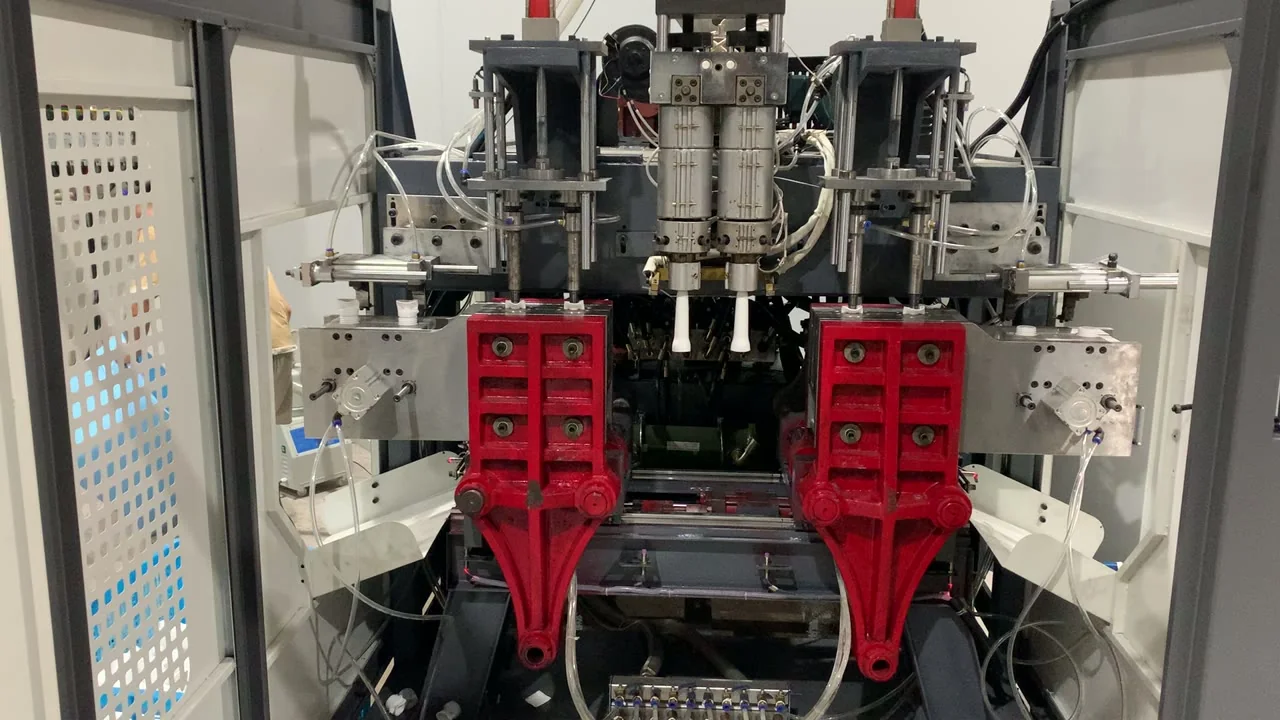
Clear PETG containers are usually quoted on thePETG double-station series, while smaller jars can run on thesingle-station 0–16 L series. Colour and clarity are separate variables; seehow colour masterbatch affects blow molded containersbefore fixing the resin.
Hot Fill, Autoclave and Everyday Filling
Most PETG bottles are filled at ambient or slightly warm temperatures, where the material is comfortable. Hot fill is a different project. If the product goes in above roughly 70 °C, the grade must be checked first, and the bottle design — wall thickness, base radius, panel ribs — has to be reviewed for the temperature it will actually see. There is no universal PETG hot-fill approval.
Steam autoclave is the clearer line: PETG is not an autoclave material. A lab that needs sterile media bottles usually chooses a resin rated for its sterilization route, or a different container. One successful warm fill is not evidence that a bottle survives repeated sterilization.
Warm fill sits between the two cases. A fill only slightly above room temperature is easier on most grades, but warehouse stacking, transport vibration and the chemistry of the contents add up. Alcohols, essential oils and strong cleaning agents deserve a separate stress-cracking check.
In a production trial, the failure is rarely dramatic. The bottle comes out of the mold on size and passes a room-temperature fill, then shows paneling, base push-up or a slightly oval neck after a warm fill and a few hours under stack load. A practical trial fills at the highest intended temperature, holds the bottle there, stacks it the way it will ship, and measures again after cooling. Neck finish, overall height and base clearance reveal most of the problem.
What to Send for a Quotation
PETG containers are quoted from the container and its thermal duty, not from a model number alone. Send the drawing and the filling conditions, and the machine, mold and cooling package can be sized together.
- Container drawing: volume, neck finish, wall thickness and overall dimensions.
- Fill temperature and dwell time, plus any pasteurization, hot-fill or sterilization step.
- Contents and chemistry: pH, alcohol, oils, cleaning agents, and the clarity you need.
- Annual volume and cavity plan, so station count and mold layout can be quoted.
- Destination and utilities: voltage, compressed air and chilled water for the configuration.
Send the drawing, fill temperature and annual volume through thecontact page, and read1–2 L bottle productionif the container sits at the small end of the range.
Temperature is only one line in the PETG specification. Clarity, stress-crack resistance and compatibility with the contents have to be confirmed together; fixing a machine on one number alone usually leads to rework.
Source: E-SHION product data. Specifications are subject to change without notice; customization is available.
This guide is written for production and procurement decisions. It uses published figures where available and avoids unverified performance claims.