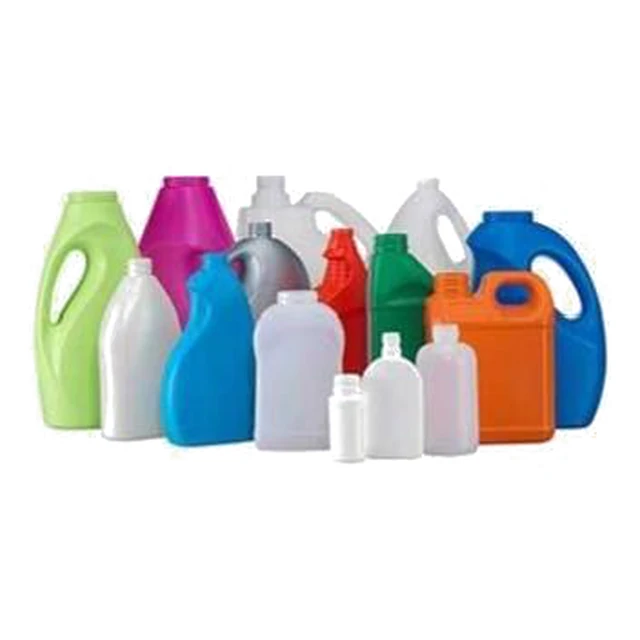
Two HDPE bottles can leave the same blow molding cell and still fall into different PPWR recycled-content categories: 10% for contact-sensitive non-PET packaging, 35% for other plastic packaging from 1 January 2030. That one classification decides which recyclate grade you have to qualify, how the mold's wall-thickness window is set, and whether a trial has to happen before the quotation. Buy the machine first and you may end up matching a new mold to the wrong grade.
The short answer: category first, percentage second
From 1 January 2030 the PPWR requires 30% recycled content in contact-sensitive PET packaging, 10% in contact-sensitive non-PET packaging and 35% in other plastic packaging; from 2040 the figures rise to 50%, 25% and 65%. Only post-consumer recyclate counts, averaged over a production site's annual output. Confirm your container's category and the current delegated acts before fixing a specification.
What counts as recycled content, and how the share is measured
The percentage is not a recipe for one container. Four rules decide whether a production site can claim the target, and each one leaves a confirmation step:
- Only post-consumer recyclate counts toward the target. Ask the recyclate supplier what documentation the grade carries, and confirm with your converter what the finished packaging file needs; this is a document chain, not only a resin purchase.
- The share is an annual average per production site, not a per-batch or per-container measurement. Plan purchasing and scheduling across the year, and confirm the calculation method in the delegated and implementing acts before you build a compliance claim on it.
- Exemptions exist, including hazardous goods and medicinal products. Whether your container qualifies, and which delegated or implementing act sets the method, has to be confirmed for the specific container and destination.
- The packaging category, not the resin name alone, sets the number. Two HDPE bottles can sit in different categories depending on what they hold and how they are used; confirm the classification before fixing the grade.
None of these rules is decided by the machine. They are decided by the packaging file, the recyclate purchase and the site's annual output; the machine and mold then have to run the grade you qualified. That is why the container drawing and the recyclate grade should reach a supplier together, not one after the other.
The container drawing still decides the machine: start with the0.1–16 L single-station range, then read thematerial selection guideand put the recyclate grade and wall-thickness target on the drawing before you request a quotation.
PPWR recycled-content targets by packaging category
The table summarises the two milestone years in the schedule. The percentages are minimum shares of post-consumer recyclate in plastic packaging; the final calculation method sits in delegated and implementing acts, so use the table as a planning frame and confirm the current text for your container.
| Packaging category | From 1 Jan 2030 | From 1 Jan 2040 | What it means for the container |
|---|---|---|---|
| Contact-sensitive PET | 30% | 50% | PET containers in food-contact or similarly sensitive use; qualify food-grade recyclate and its documents early. |
| Contact-sensitive non-PET | 10% | 25% | Non-PET containers in sensitive contact, including HDPE and PP where the application allows; the lower start is not an exemption. |
| Other plastic packaging | 35% | 65% | Household and industrial HDPE/PP bottles, jars and jerrycans outside sensitive contact; the highest starting target. |
| All categories | Annual average per site | Annual average per site | Only post-consumer recyclate counts; hazardous goods and medicinal products can be exempt — confirm your case. |
Swipe the table to see all columns →
The annual average in practice: a worked example
Take a site that makes 1,000 tonnes a year of HDPE household bottles in the other plastic packaging category. A 35% target is an annual average, so the site needs 350 tonnes of post-consumer recyclate across the year: 1,000 × 0.35. If one product line runs at 20% and another at 50%, the site total still has to average 35%. This is arithmetic on the regulation's structure, not a quota for your plant; confirm the category, boundary and calculation method in the current text.
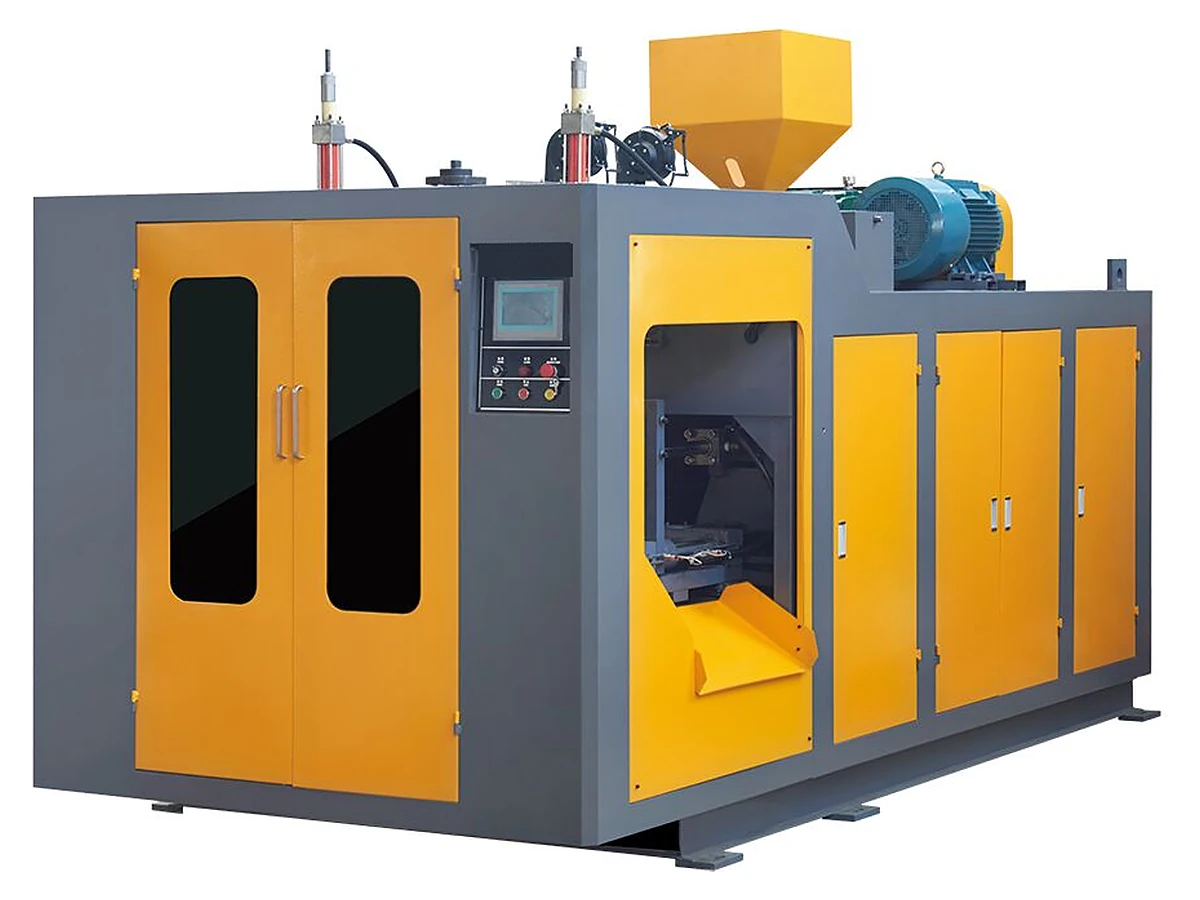
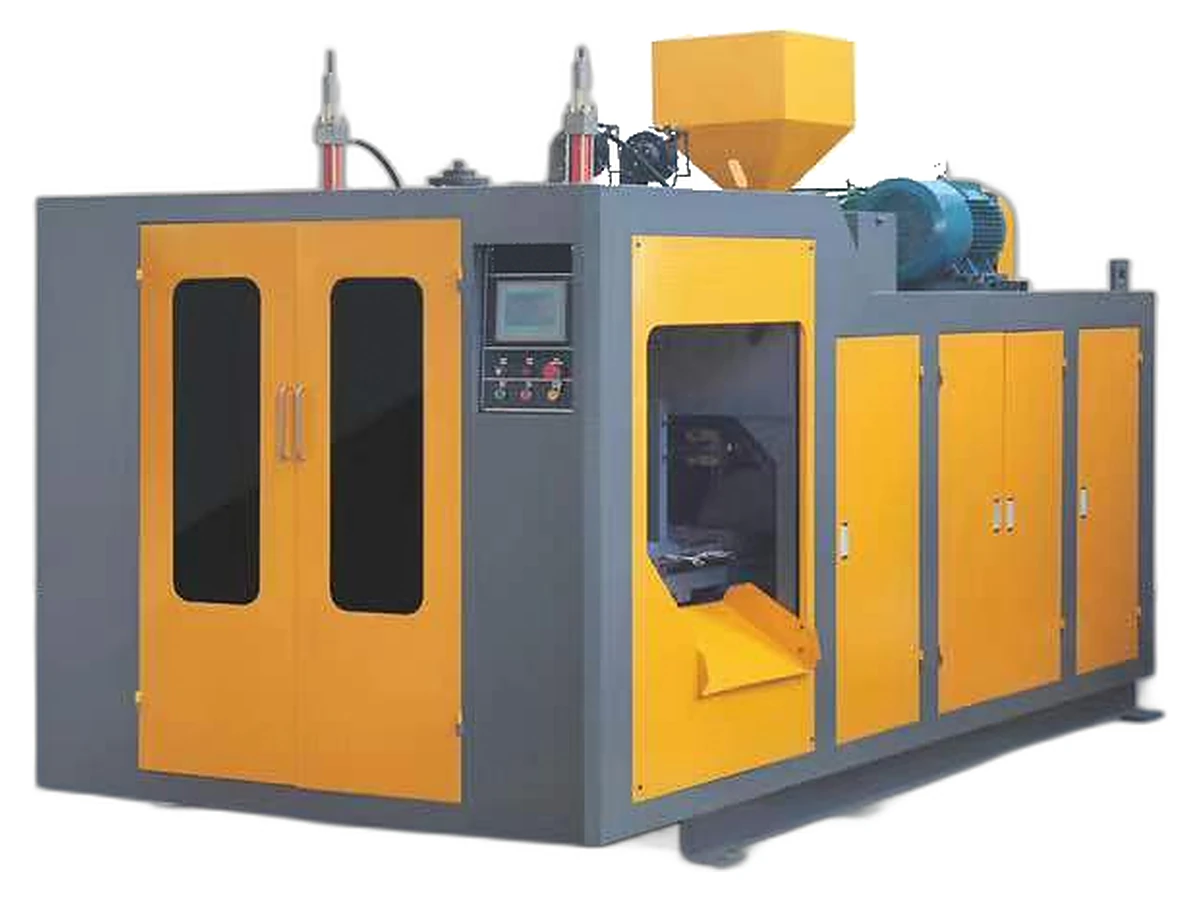
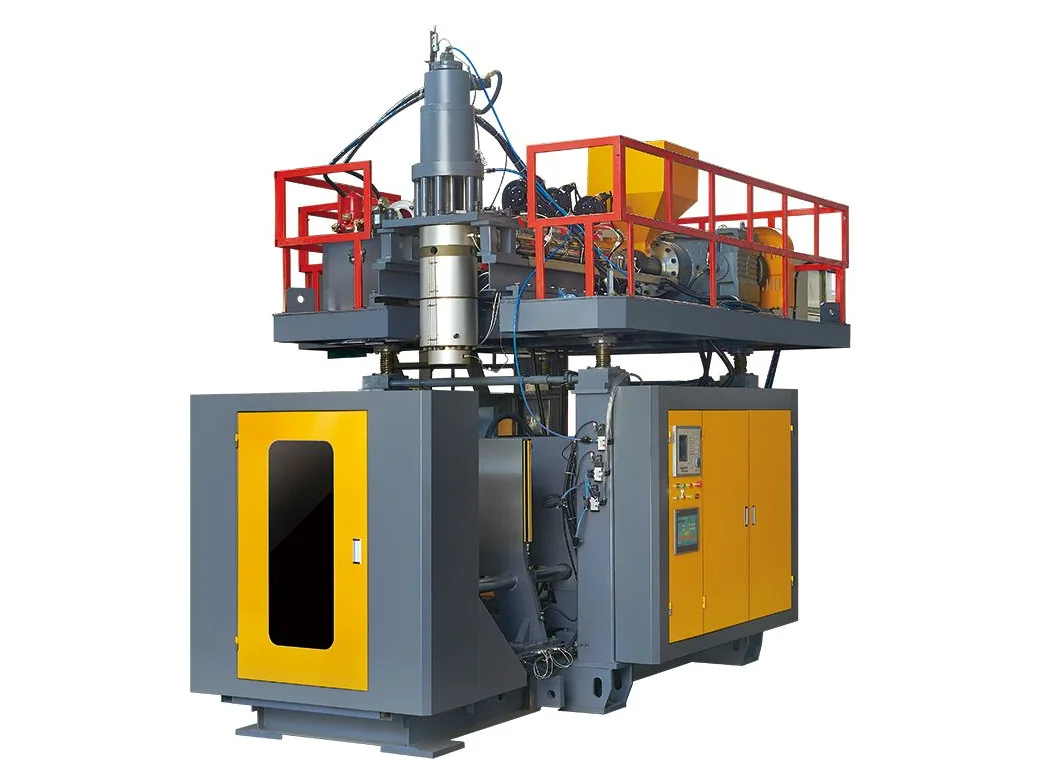
On the machine side, the question is the process window, not the percentage. Recyclate grade, source and documentation vary by supplier, and the same mold may need a different parison programme, die gap and cooling setting to hold wall thickness. On the 0.1–16 L single-station platform, the ES-10LS is the 10 L model: 110 kN clamping force, 450 × 480 mm platens, 70–75 mm screw and 80–100 kg/h output. Check clamping force against the mold projection area and blowing pressure, not container volume alone, and confirm the wall-thickness window on a trial with the actual grade.
None of this makes the machine responsible for the target. E-SHION's scope is the machine and the mold; the recyclate grade, the documentation and the compliance calculation stay with the converter and the recyclate supplier. What the machine and mold must do is hold the wall-thickness window and output on the grade you qualify, which is why the drawing and the grade have to arrive together.
What to send for a quotation
- The container drawing, including neck, handle, wall-thickness target, label area and any stacking or top-load requirement.
- The material and the intended recyclate grade, with the supplier's documentation; state whether the container is contact-sensitive and which category you are planning against.
- Target output per hour or per year, the expected cavity count, and whether an existing mold will be reused or a new mold quoted.
- Destination country and voltage, because the compliance route and the electrical configuration are confirmed per market.
- The target year you are planning for, 2030 or 2040, and any exemption you intend to rely on.
- A sample of the recyclate and any existing bottle, so the trial can be planned on the actual grade and container.
Source: E-SHION product data. Specifications are subject to change without notice; customization is available.
This guide is written for production and procurement decisions. It uses published figures where available and avoids unverified performance claims.