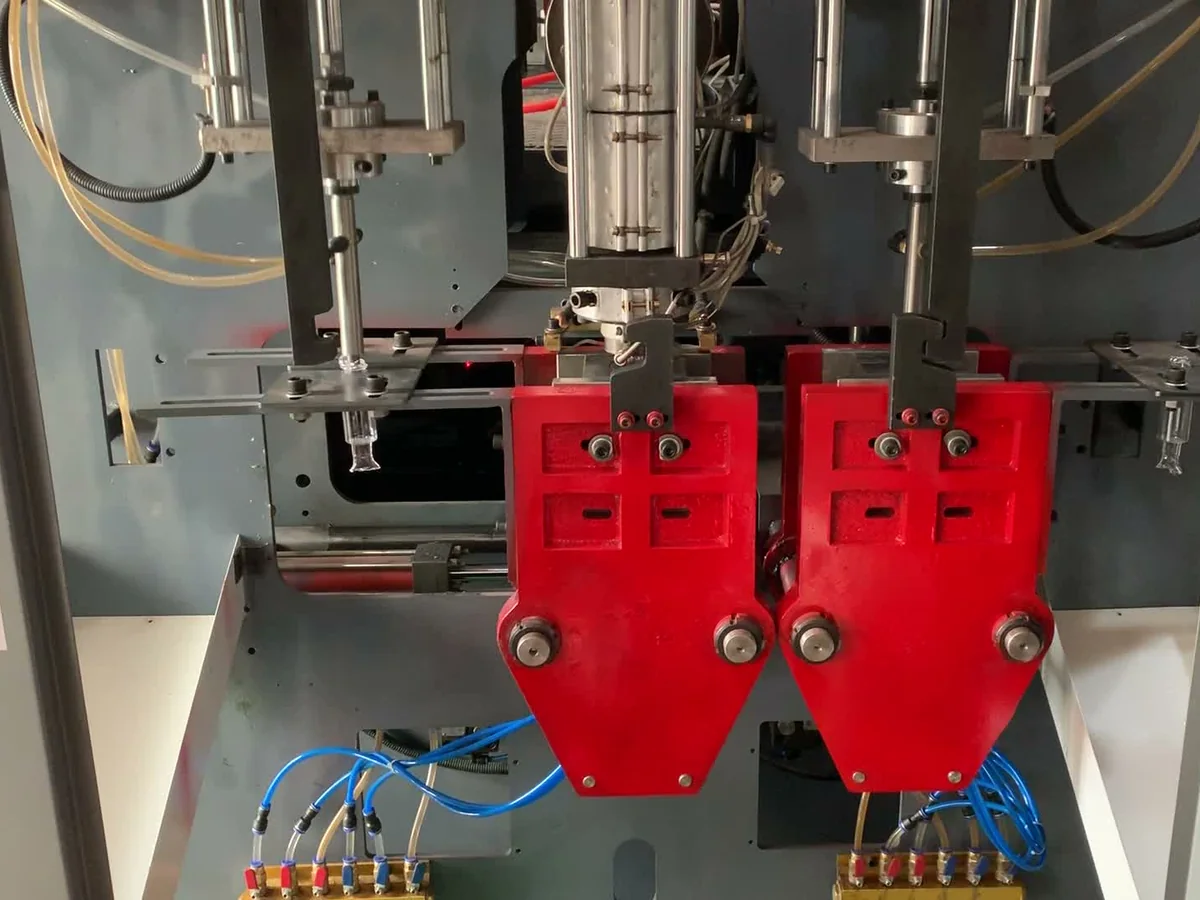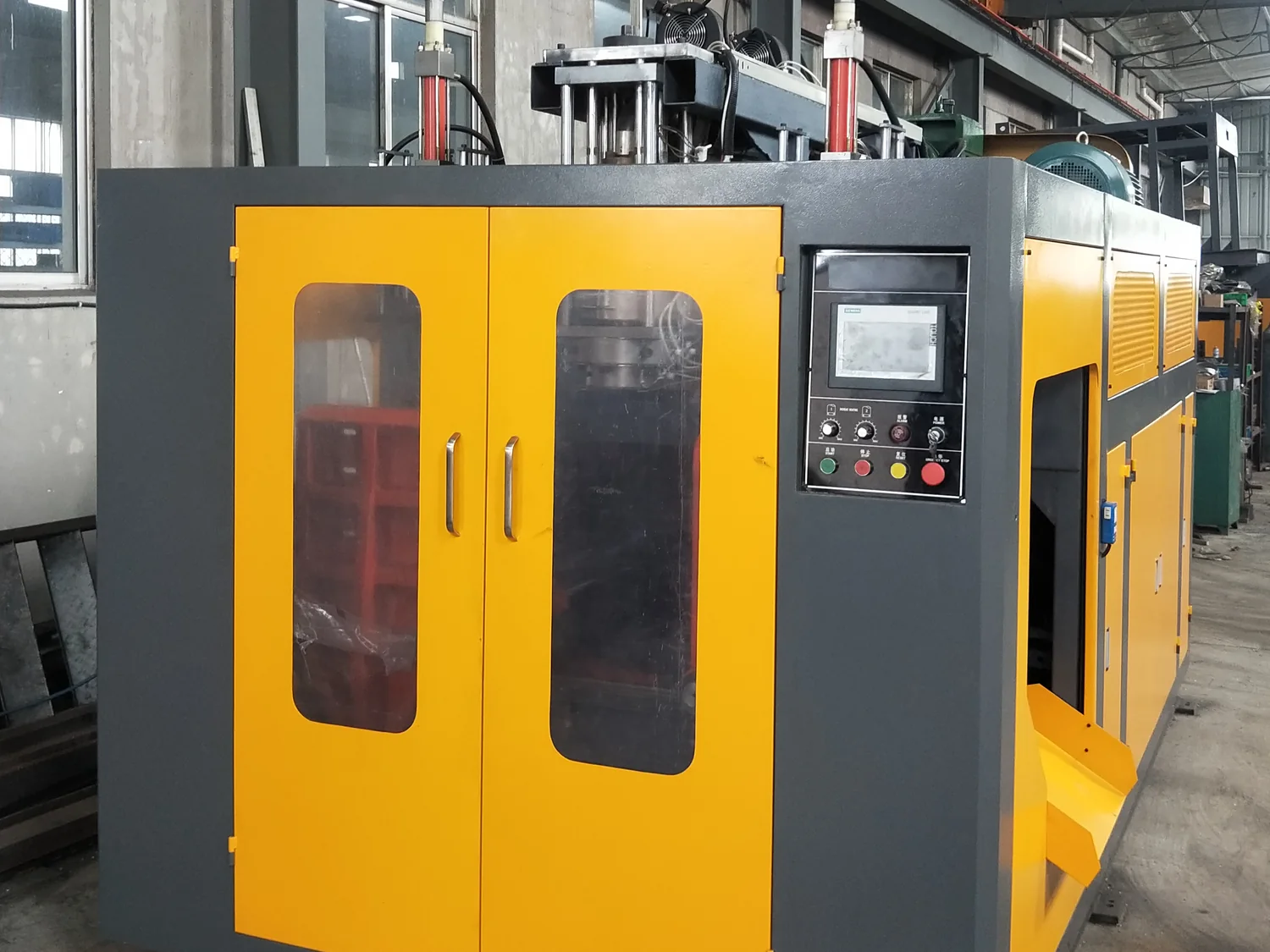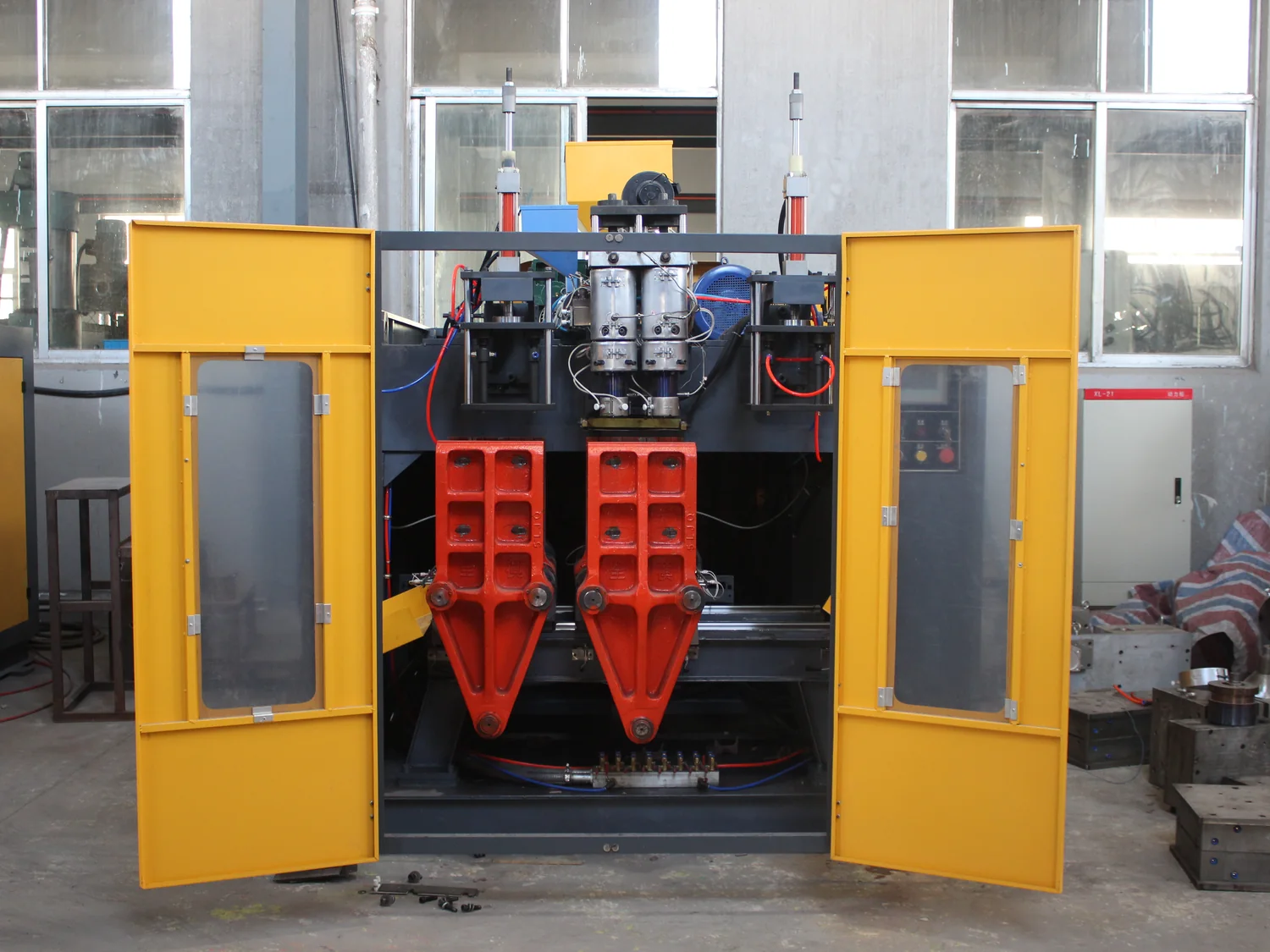
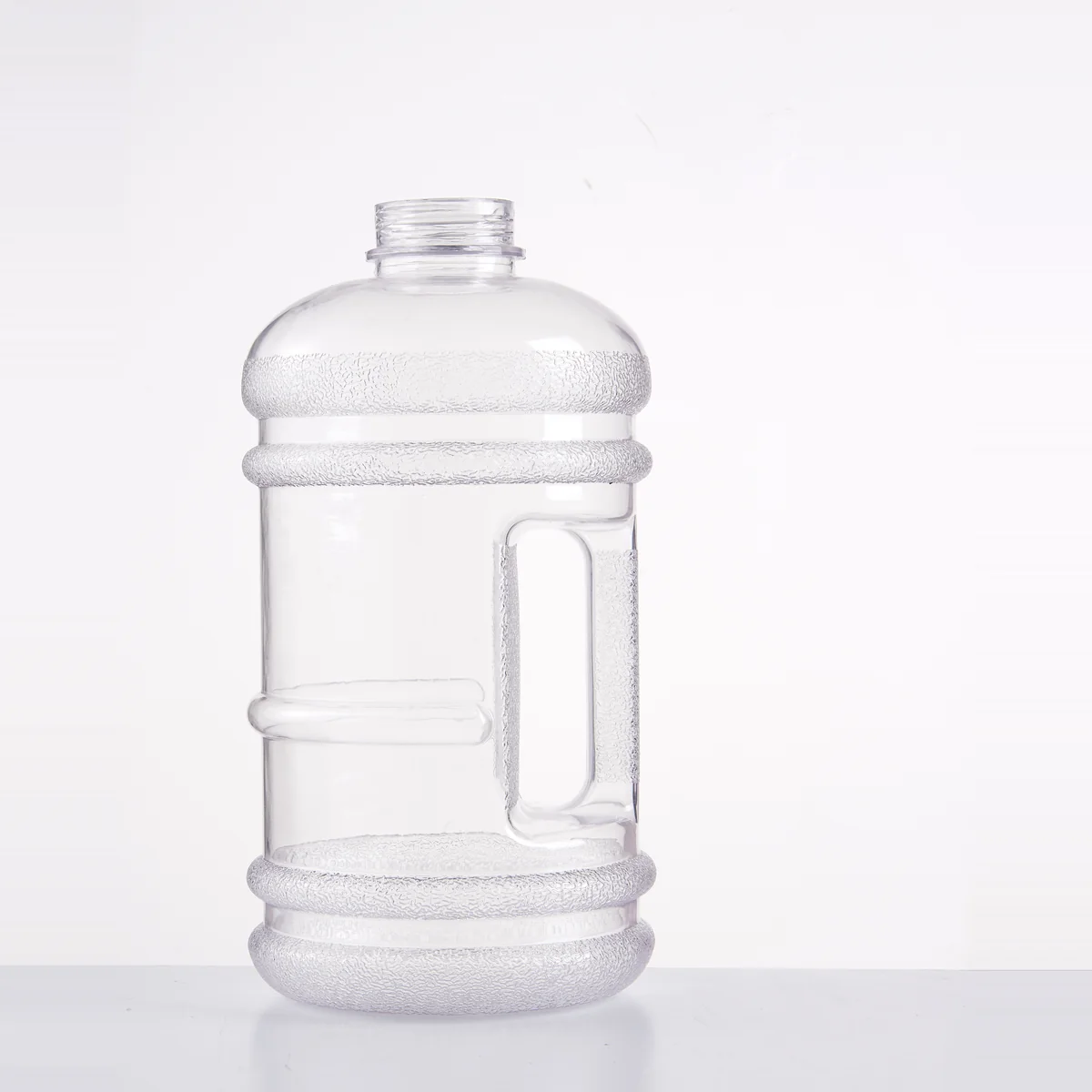
PETG is chosen for clarity, gloss and design freedom. Those properties also make process variation visible. A haze level, a flow line or a handling mark that would disappear on an opaque HDPE bottle becomes a reject on a clear cosmetic container.
That is why a PETG project should not be quoted as 'the same machine with a different material'. The resin, drying, temperature profile, screw, die head, mold cooling and take-out all need to be considered together.
1. Start with the resin data sheet
Ask the PETG supplier for the recommended drying conditions, melt-temperature range, residence-time limits and any grade-specific processing notes. Use that data as the starting point for the machine and process specification. Do not copy HDPE or PET preform settings.
2. Drying and material handling are part of the process
Moisture can affect clarity and surface quality. The dryer, hopper, residence time and regrind policy should be specified with the line, not added after the machine arrives. If regrind is used, confirm the allowable ratio with the resin supplier and validate the appearance.
3. Temperature and melt stability
The barrel and die-head temperature profile should follow the resin supplier's guidance and be tuned on the actual mold. Excessive residence time or unstable temperature can create visual defects and inconsistent wall thickness. The machine's heating zones and control response matter, but the setpoints must be proven.
4. Mold and cooling decide the surface
Mold steel, polishing, cooling-channel layout, gate/neck design and venting all affect the clear part. Cooling time is often a larger constraint than extruder capacity on a clear container. Plan the mold and the machine together, and agree the sample approval criteria before production.
5. What the E-SHION catalog says about PETG
The catalog presents a PETG double-station extrusion blow molding machine for 0.1–15 L products, with one to four cavities and PETG as the raw material. It does not publish a separate complete power table for this configuration. That is a limit of the catalog, not a reason to guess.
| Catalog field | PETG configuration |
|---|---|
| Product volume | 0.1–15 L |
| Raw material | PETG |
| Station | Double |
| Cavity | 1–4 |
| Power / utilities | Confirm with final configuration |
| Mold and process | Project-specific |
6. Prove the sample before scaling up
A PETG line should have a defined sample-approval step: mold trial, wall-thickness measurement, clarity check under agreed lighting, drop/leak test where relevant, and a signed golden sample. Production planning should use the cycle time from that approved sample, not a catalog estimate.
Source: E-SHION product catalog, pages 05–10. Specifications are subject to change without notice; customization is available.
This guide is written for production and procurement decisions. It uses catalog data where available and avoids unverified performance claims.