A new blow molding plant usually has the same first problem: the machines are installed, the molds are polished, and nobody has an order. Waiting for a website to rank or for trade fair season burns cash. The faster route is to look at who in your region already buys containers every month, and to approach them with a one-page capability sheet and a sample, not a price list.
Who Buys Containers Every Month?
Start with plants that already fill and pack liquids, because they understand bottle specs and buy on repeat: water and beverage bottlers, edible oil plants, chemical and agrochemical fillers, brand owners who outsource filling, and export traders. Rank them by how fast they can approve a sample, not by how big they look.
Water and beverage plants are the easiest entry point: the bottle is simple, the volumes repeat, and a new supplier is often welcome when the incumbent is slow. Edible oil plants order 1 L to 5 L bottles and handle jerrycans and care about handle strength and oil resistance. Chemical and agrochemical fillers need HDPE jerrycans and often 20–30 L containers, where wall thickness and drop performance decide the order. Brand owners who outsource filling are slower to approve but stay longer. Traders give you volume without brand risk, but they compare you against three other plants on the same afternoon.
Rank the Channels by How Fast They Can Approve a Sample
A first customer is not the biggest logo on your list; it is the account that can approve a sample this month. Sort every prospect into three groups: can approve alone, needs a quality team visit, and needs a tender. Then work the list in that order. A plant that needs a tender will not carry your first quarter.
| Channel | What they order first | Who decides | What wins the order |
|---|---|---|---|
| Water and beverage bottler | 0.5–5 L bottles and jars | Plant owner or purchasing | Sample quality and delivery reliability |
| Edible oil plant | 1–5 L bottles and handle jerrycans | Technical and purchasing | Handle strength, oil resistance, stable weight |
| Chemical or agrochemical filler | 5–30 L HDPE jerrycans | Quality team and purchasing | Wall thickness, drop performance, closure fit |
| Brand owner outsourcing filling | Custom bottle with matching cap | Brand team and quality | Drawings, sampling rounds, audit readiness |
| Trader or export agent | Mixed sizes, small lots | Their end customer | Price, response speed, mixed-container ability |
Swipe the table to see all columns →
Read the table as a sequence, not a menu. The top three rows share one advantage: their technical person can walk to your machine, hold a sample and decide. The bottom two rows pay better per unit but take a quarter or more, so they belong in your second wave.
Put Your Capability on One Page
Most new molders send a company profile and a price list, and buyers can use neither. A one-page capability sheet answers the five questions a purchasing officer asks before a call: which machine models and clamp forces you run, the cavity count per mold, the container weight and size range you can hold, your minimum order quantity, and your realistic lead time from drawing to first delivery. Add the materials you actually run and one line on who checks quality and how.
Keep it to one page and one PDF, and update the cavity count and lead time every quarter, because an out-of-date sheet is worse than none. The same sheet then becomes the basis of every quotation, so the buyer sees the same numbers on the phone and on paper.
Sampling Is the Sales Process
A sample is not a gift; it is the shortest proof you can offer. Ask for the drawing or the competitor's bottle, confirm resin and colour, then run the sample on the machine and mold you will actually use for production. Ship it with the measured weight, a wall-thickness range taken at three points, and the cycle time you measured, not a target. A buyer who receives numbers can compare you with the incumbent; a buyer who receives only a bottle cannot.
Set the commercial rule for samples and molds before the first call. Many new plants absorb the sample cost and charge for the mold, then credit part of the mold cost against the first production order above an agreed quantity. Written down once, it makes every conversation consistent and saves the discount argument later.
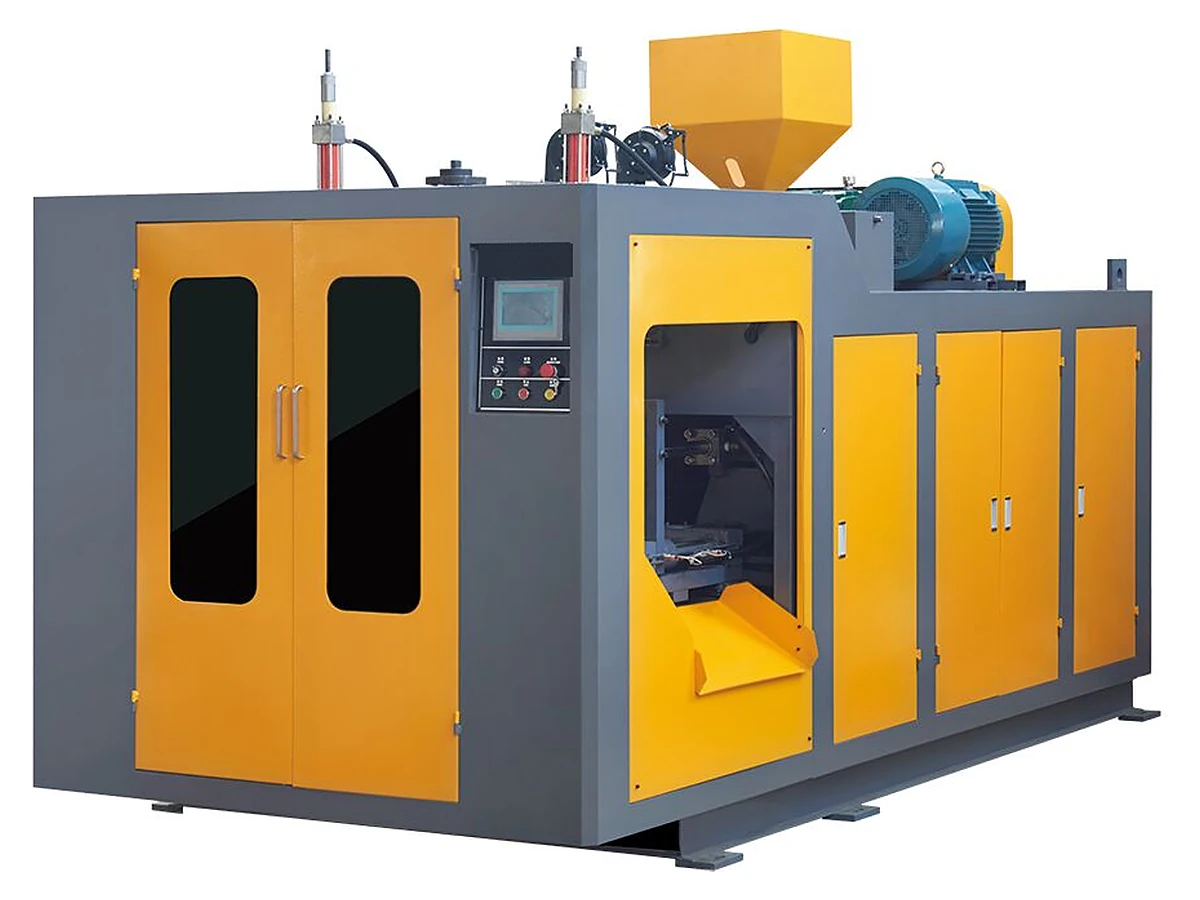
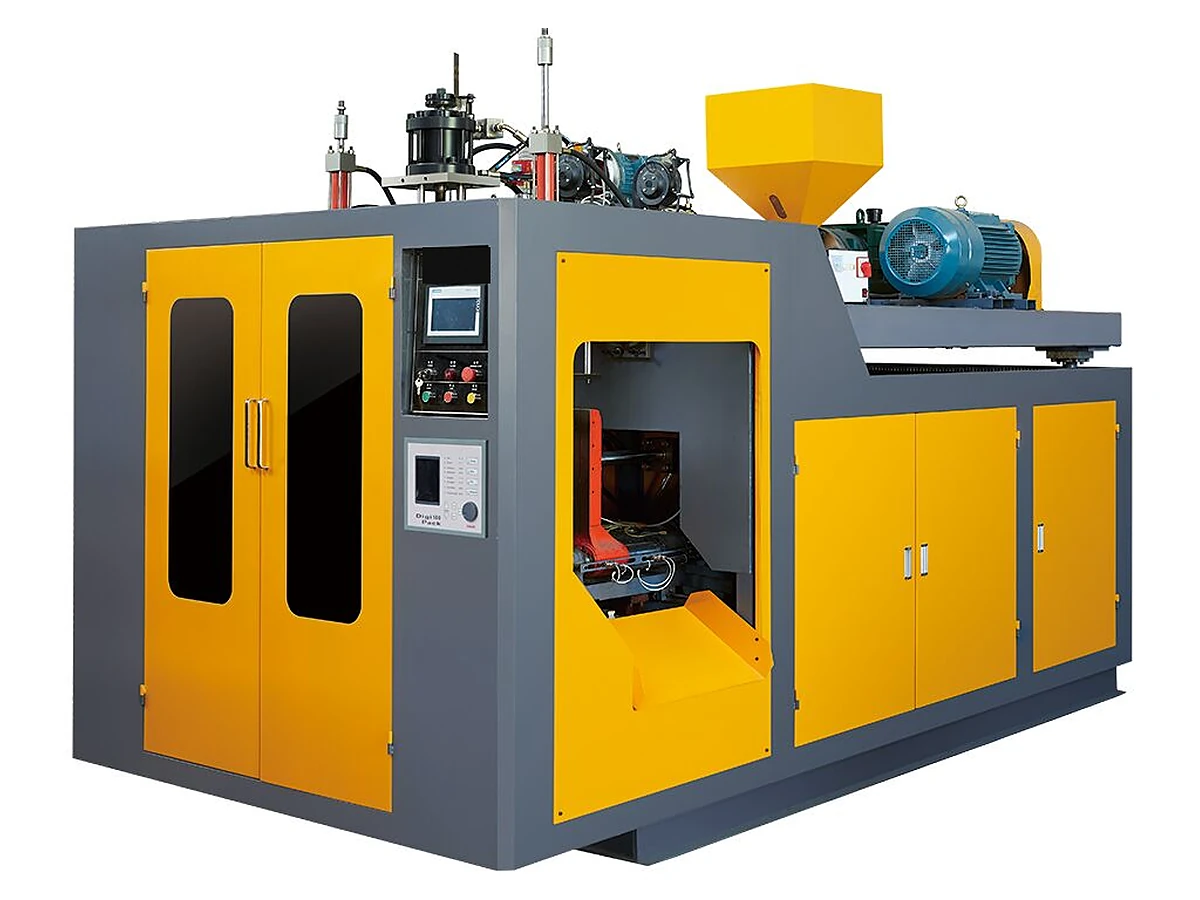
If you are still choosing the machine behind that sample, compare asingle-station machinewith adouble-station machinebefore you promise a lead time, and readhow to start a plastic bottle manufacturing plantfor the setup sequence.
What to Send for a Quotation
Whether you are pricing a machine for your own plant or being asked to quote a bottle, the same six items decide how fast and how accurate the answer is. Send them in one message:
- Container drawing or a physical sample, with volume, weight and neck finish.
- Resin and colour, including any regrind percentage you intend to use.
- Cavity count and the output you need per hour, so machine and mold are sized together.
- Minimum order quantity and the monthly volume you expect in the first year.
- Lead time you need from drawing approval to first delivery, and the destination port.
- Which operations stay in-house: blowing only, or blowing plus labelling, filling and packing.
Source: E-SHION product data. Specifications are subject to change without notice; customization is available.
This guide is written for production and procurement decisions. It uses published figures where available and avoids unverified performance claims.