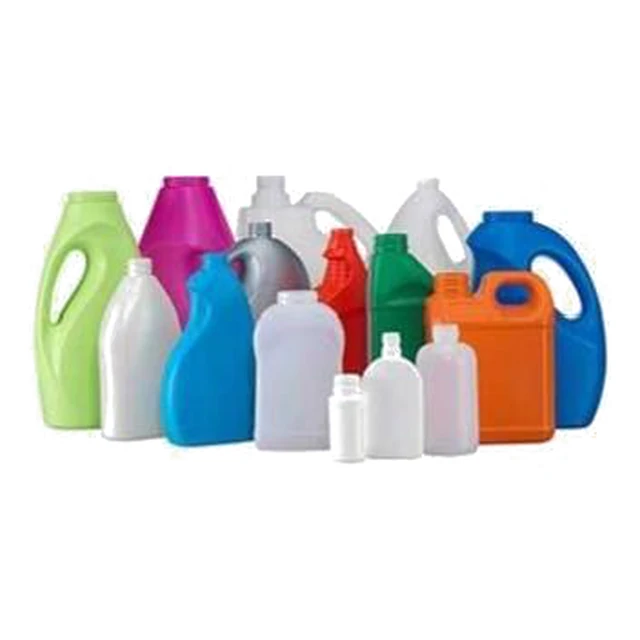
A buyer in Rotterdam asks for a price on a 1 L HDPE bottle, then adds the line that stalls more export deals than any technical question: “Who handles the packaging EPR registration?” If the answer is “the importer”, the project may already be non-compliant. Since 12 August 2026 the PPWR sets a written timeline, and the party that first places the bottle on a Member State market carries the duty.
Who counts as the producer under EU packaging EPR?
Yes. If your company is first to place the bottle on an EU Member State market, you are the EPR producer. You register in that country's producer register, report packaging volumes and pay fees. Molding under contract does not move the duty, and a non-EU producer usually needs an authorised representative.
The test is placement on the market, not who owns the blow molding machine. A European brand that sells the filled bottle under its own name is normally the producer, even when you molded it. You become the producer when you sell under your own name, import the bottles yourself, or ship directly to EU customers. National registers word this differently, so confirm your role in writing before the supply contract is signed.
If the bottle also has to meet recycled-content targets, the volume you declare and the resin you buy are one conversation. The guide toPPWR recycled content for blow moldingcovers the material side;contact usif you need container weight and layer data for the compliance file.
The four actions behind an EPR registration
Registration is not a single form. In most Member States the producer has four actions to complete, and each one has its own portal and its own calendar.
- Register the company in the national producer register of every Member State where you first place packaging on the market, not only where your customer is based.
- Appoint an authorised representative when the producer is established outside that Member State, and give the representative a written mandate to report and pay on your behalf.
- Declare packaging volumes by material and weight: the empty bottle, the closure and the label are usually counted separately from the shipping carton.
- Pay the scheme fee and keep declarations, invoices and weight calculations for audit; the amount on an invoice is not proof of the volume behind it.
Fees are not harmonised. Schemes normally price by material, declared weight and design for recycling, so the same bottle can be charged differently in two countries. Ask the scheme that covers your volumes for its current fee schedule, and treat any percentage heard at a trade fair as unconfirmed.
PPWR dates and what each one asks of you
| Date | What applies | What the producer does |
|---|---|---|
| 12 August 2026 | PPWR (EU) 2025/40 applies; the EPR registration obligation starts on the same date | Check every Member State where you place bottles, and register where you are not yet listed |
| 12 February 2027 | EPR labelling requirement | Add the EPR marking required by each national scheme to packaging and label artwork |
| 12 August 2028 | Harmonised material labelling | Align material marking and label files with the harmonised format |
| Each scheme reporting period | Volume declaration and fee payment | Reconcile declared packaging weight against production and sales records |
Swipe the table to see all columns →
The table is a sequence, not the whole regulation. Recycled content, recyclability and packaging design run alongside these dates, and a national scheme can ask for data the Regulation does not name. Build the file once, keep it current, and review it whenever the target-market list changes.
Germany and France: what to prepare first
Germany and France are usually the first two registers a bottle exporter meets, and they work as templates because both ask for the same core data in different words. For LUCID (ZSVR) you register the producer, then declare volumes through the recovery scheme you contract with. For SYDEREP in France you register the producer identity and the packaging you place on the market. Neither register asks for your machine list; both ask who you are and how much weight you put on the market.
What actually helps is a data pack, not a certificate. A producer that can hand the register a table of SKU, material, empty weight and placing-on-market date registers in days; one that has to rebuild weights from sales invoices loses weeks. This is where the machine file pays off: container weight, wall thickness, layer structure and cavity layout come from the mold drawing and the trial, and they are the same numbers the packaging declaration needs.
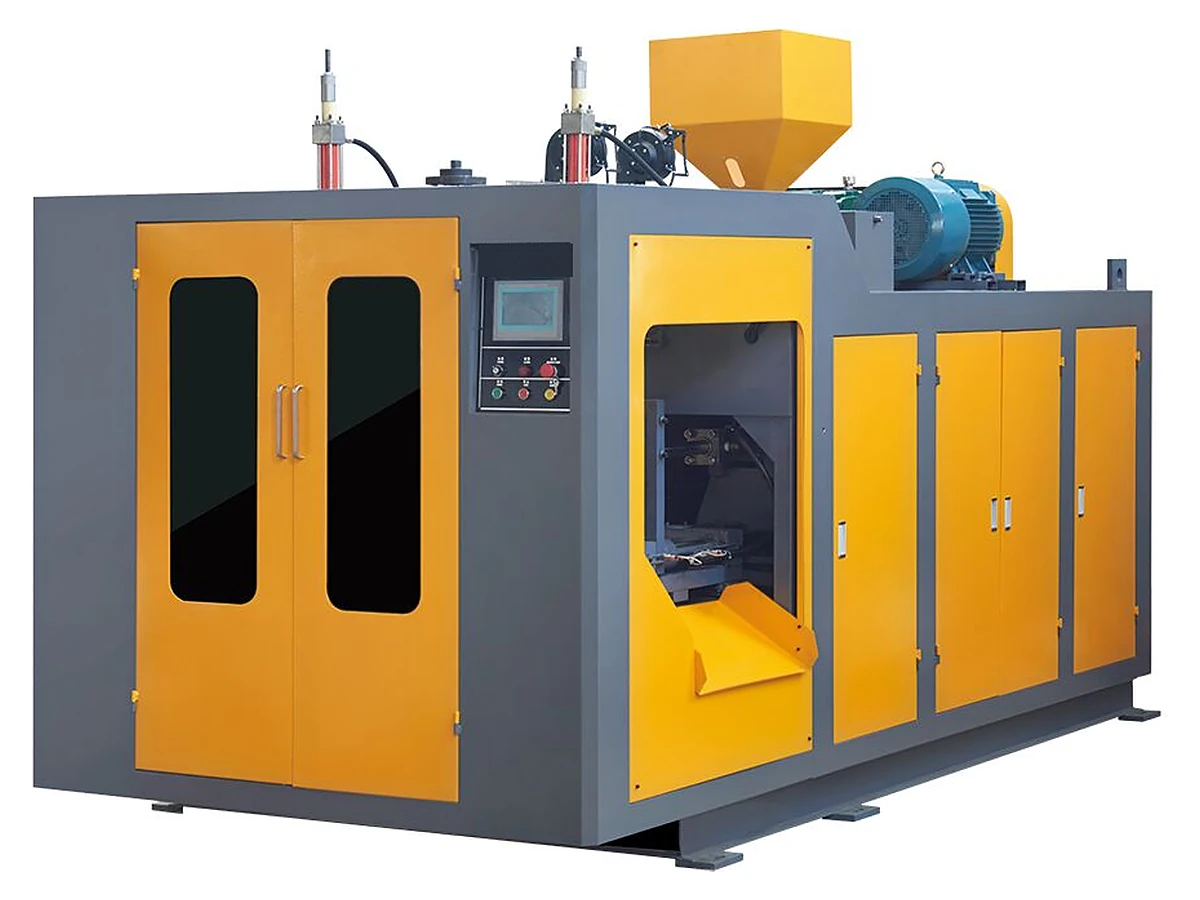
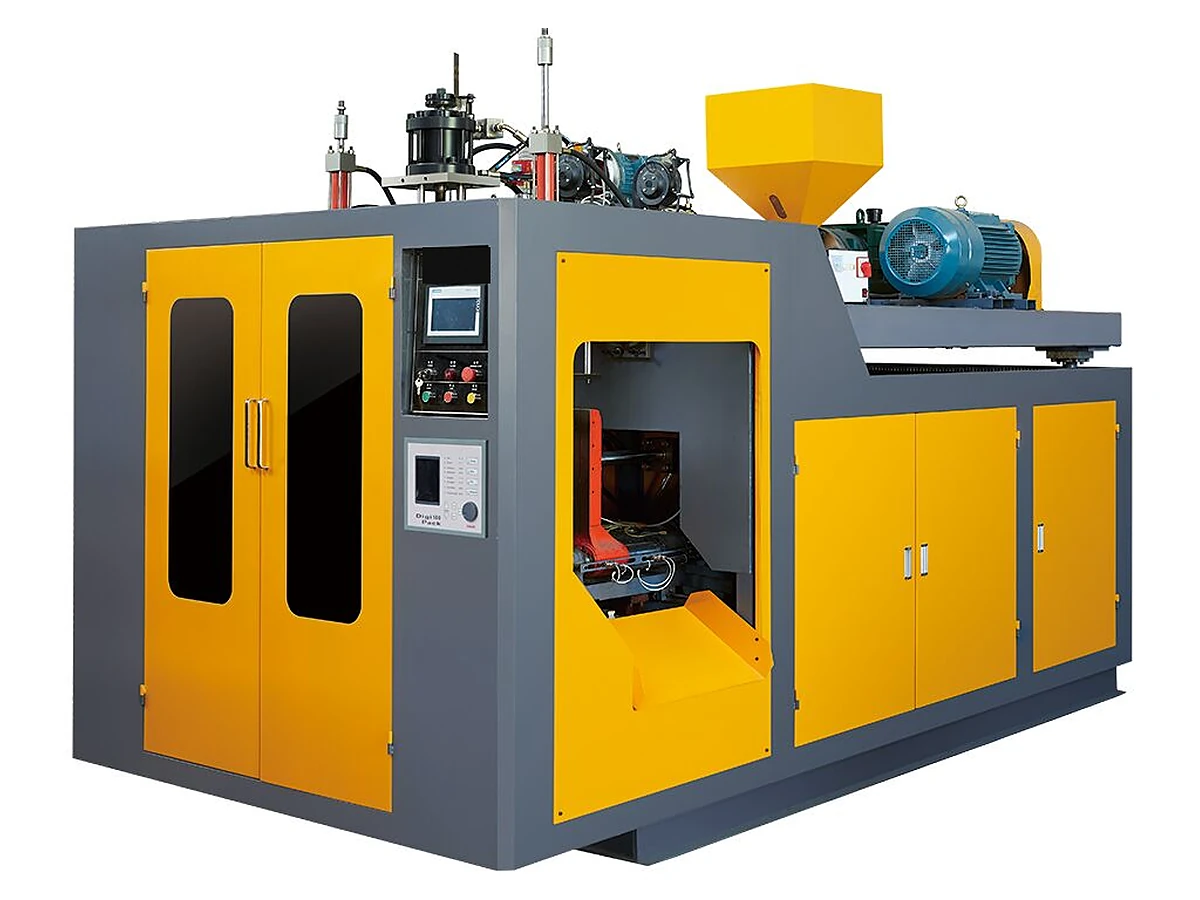
E-SHION supplies the machine and the mold; the registration obligation stays with the producer. What we can do is put the container weight, material and layer data from the drawing and the trial into a form your consultant or authorised representative can use directly.
What to send for a quotation
A quotation that holds up in a compliance review starts with the container, not the machine model. Send these six items and the reply can cover the machine, the mold and the data your register will ask for.
- Container drawing or a physical sample, with the filled volume and the neck finish.
- Material and target empty weight, plus any recycled-content or layer requirement.
- Output target: bottles per hour or per shift, and the cavity count you expect.
- Target markets, because the country list decides which weights and labels you must declare.
- Whether the bottle is sold empty or filled, and who places it on the market.
- Plant data: available power, compressed air, chilled water and floor space.
This article is general information, not legal advice; confirm each obligation with the competent national authority or your authorised representative. If you are still at the planning stage, the guide tostarting a plastic bottle manufacturing businesscovers plant, machine and mold decisions, andjerrycan blow moldcovers tooling for larger containers.
Source: E-SHION product data. Specifications are subject to change without notice; customization is available.
This guide is written for production and procurement decisions. It uses published figures where available and avoids unverified performance claims.