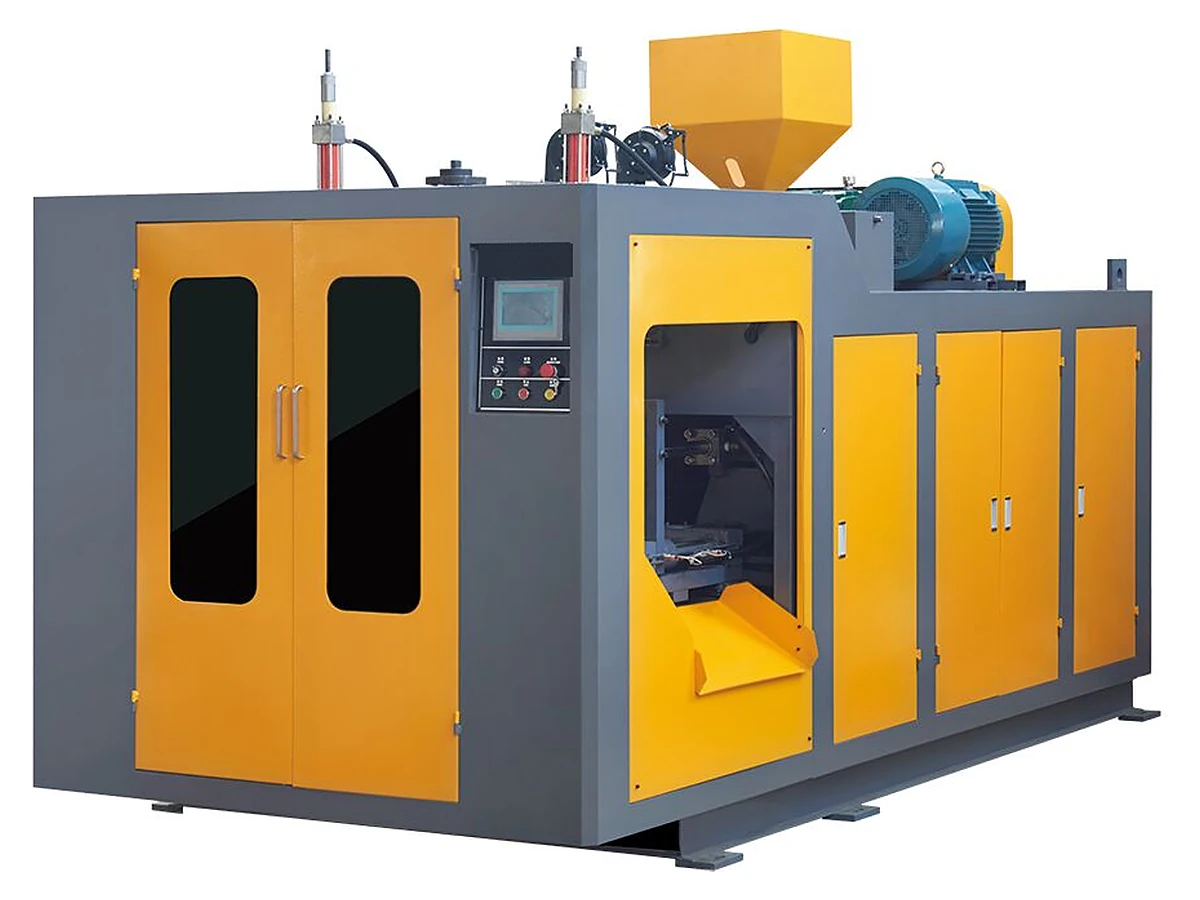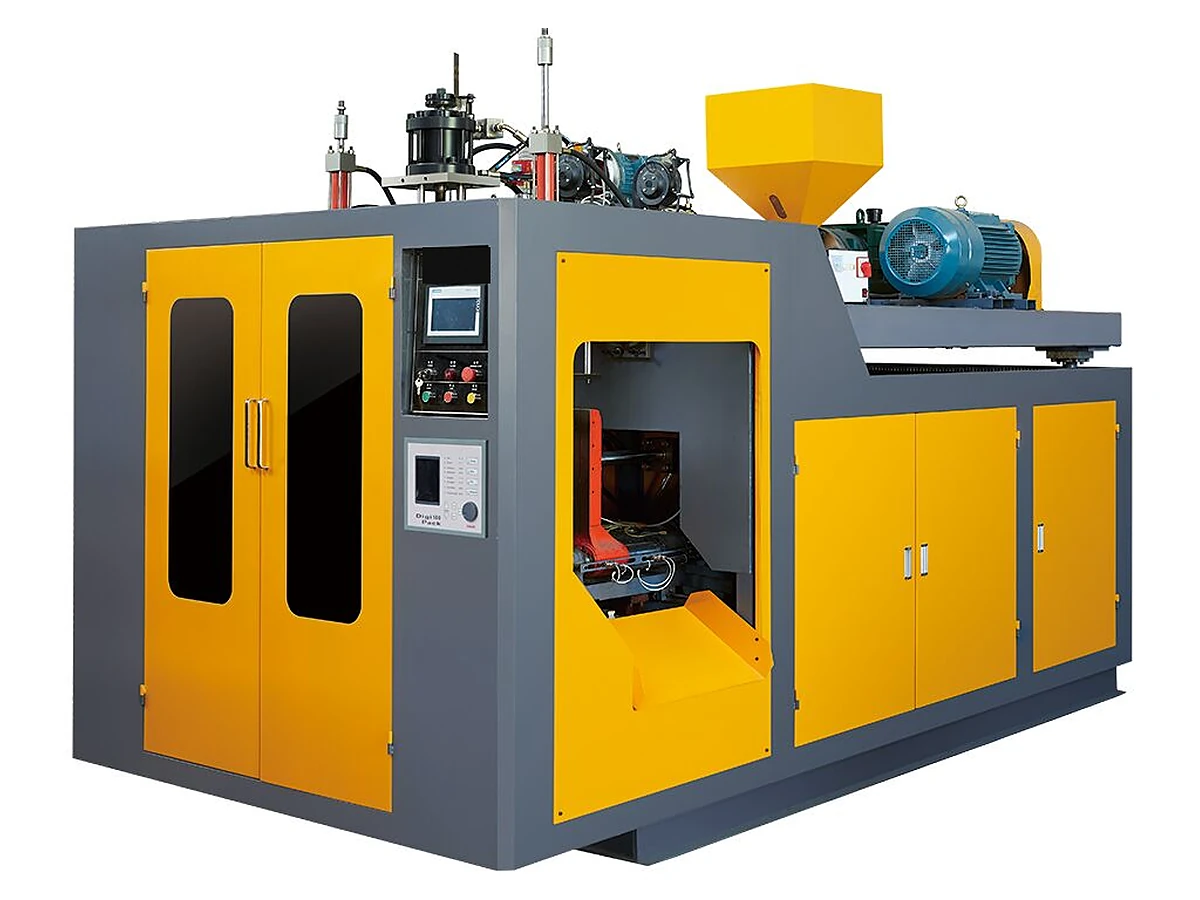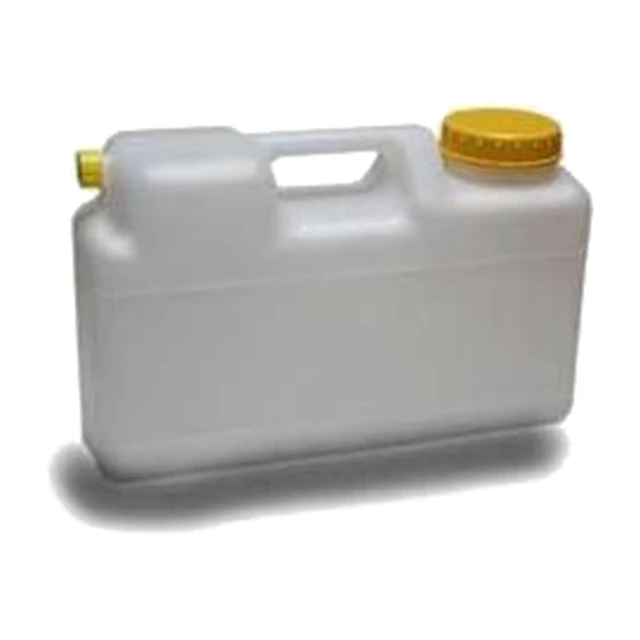
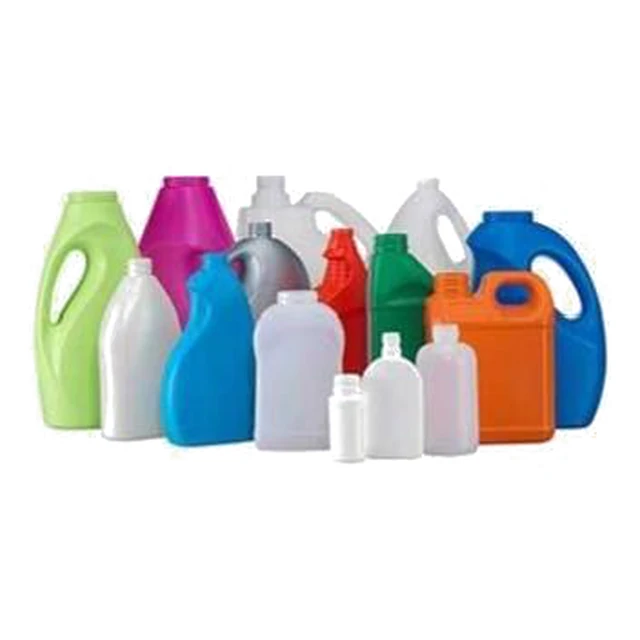
A buyer has asked for an EU 10/2011 declaration of compliance before the first HDPE container leaves your factory, and the blow molding machine supplier cannot sign it. That is not a gap in the machine. The declaration follows the finished article, the resin recipe and the intended food contact, so it belongs to the converter. What the machine side must supply is consistent data: the drawing, the product-contact material list and a process window that matches the declared use.
Who signs the EU 10/2011 declaration of compliance?
The converter — the company that buys the resin, sets the recipe and blows the bottle — signs the DoC for the finished article. The machine maker supplies machine data and process support, but it does not know your resin batch, additives, regrind ratio or filling conditions, so it cannot issue the declaration.
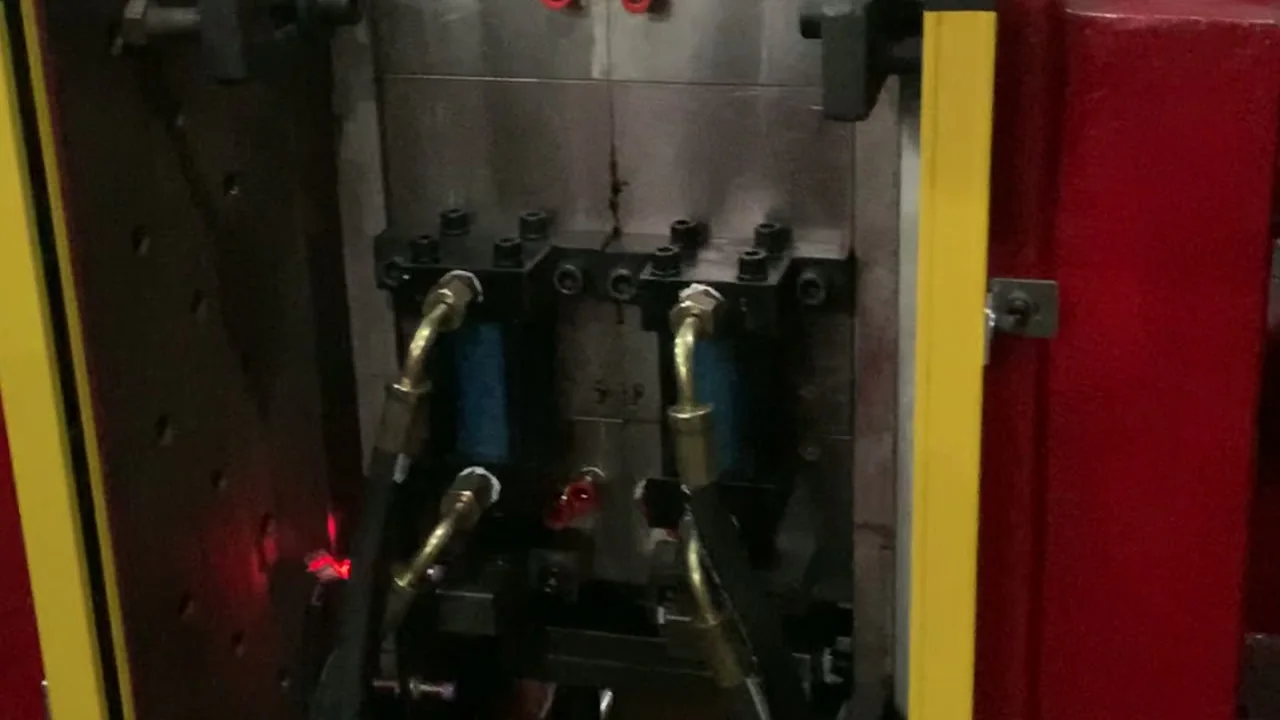
The declaration of compliance, usually shortened to DoC, is a written statement that the article meets Regulation (EC) No 10/2011 on plastic materials and articles intended to come into contact with food, as amended, and the framework Regulation (EC) No 1935/2004. The converter signs it because the converter controls the resin grade, the additive package, the regrind ratio, the wall thickness and the filling conditions the buyer will use. A machine maker can support that work without owning it. E-SHION supplies the general arrangement drawing, the list of product-contact materials for the die head, mandrel and blow pin, and the process settings used during the trial. Those documents help the converter describe the article and the process, but they do not replace the resin DoC, the migration test report or the converter's own GMP statement.
Conditions of use decide the test, not the container volume
Two 1 L HDPE bottles can need different declarations. A bottle for ambient filling and a bottle for hot fill, or one for fatty food and one for aqueous food, faces different food simulants, times and temperatures. Write the condition of use first — filling temperature, contact time, storage life, single or repeated use, and any restriction the buyer applies — then choose the simulant and test conditions that match it. If the filling conditions change later, the test may need to be repeated and the DoC reissued.
Equipment settings become compliance inputs here. The parison programme, die gap and cooling that set wall thickness are part of the trial record, and the trial record is what describes the tested container. Put the wall-thickness range in the trial report and file it with the DoC pack, so the tested article and the production article can be compared.
The fields a usable DoC must contain
Buyer quality teams usually check the same fields. A missing field can hold a shipment even when the bottle itself is fine. Use the table as a working checklist and confirm the exact wording with your customer and the laboratory.
| Field | What the declaration should state | Supporting document |
|---|---|---|
| Article and material identity | Article name, intended use, HDPE grade and recipe, and the conversion process (extrusion blow molding) covered | Drawing, specification, resin datasheet |
| Resin, additives and SML | Resin and additive list, with the specific migration limit for every substance that has one | Resin supplier DoC, full formulation statement |
| Conditions of use | Filling temperature, contact time, storage life, single or repeated use, and any restriction such as hot fill or fatty food | Filling and storage specification agreed with the buyer |
| Food simulants and test conditions | Simulant, contact time and temperature used for the migration test | Laboratory report showing those test conditions |
| Overall migration | Result against OML 10 mg/dm² or 60 mg/kg, with the test method named | Report page with the OML result |
| Specific migration | Result for each substance with an SML, compared with its limit | Report cross-referenced to the additive list |
| GMP and framework statements | GMP statement for the conversion process and conformity with Regulation (EC) No 1935/2004 | GMP record or internal quality procedure |
Swipe the table to see all columns →
Where the machine stops and the DoC begins
A practical split keeps the project moving. The converter owns the article description, resin and additive list, conditions of use, migration results and the GMP statement. The machine maker owns the equipment description: drawing, cavity layout, product-contact materials, clamp and blow settings, and the trial record. The laboratory owns the test report. When the three sets agree — same article, same material, same wall-thickness range — the declaration is defensible.
In a typical export project the buyer asks for the DoC with the purchase order, the resin supplier's DoC arrives with the material, and the laboratory report follows the first-shot samples. The same field list applies to a 25 L lubricant oil bottle or a household bottle; only the conditions of use and the simulant change. Stress cracking is a container-design issue outside 10/2011, but it often appears in the same buyer questionnaire, so file that record with the pack.
For machine-side data, start from thesingle-station 0–16 L series, compare output options in thedouble-station 0–16 L series, and see theHDPE stress-cracking guideand25 L lubricant oil bottle notes. Export paperwork is covered in thecertificate of origin guide.
What to send for a quotation
The machine quotation and the DoC are separate documents, but the same inputs drive both. Send these with your inquiry so model, mold and document list can be confirmed in one pass:
- Container drawing or sample: volume, neck finish, wall-thickness range and any handle.
- Resin grade and additive package, including the regrind ratio you intend to run.
- Conditions of use: filling temperature, contact time, storage life and single or repeated use.
- Cavity layout and target output, so clamp force and extruder capacity can be checked against the mold.
- Destination market and the buyer's DoC template, if one exists.
- Any existing resin DoC or laboratory report, so gaps can be found before the trial.
We will reply with the recommended model, the mold scope and the equipment documents we can supply. The DoC itself stays with you as the converter; confirm the final wording with your laboratory or regulatory adviser.
Source: E-SHION product data. Specifications are subject to change without notice; customization is available.
This guide is written for production and procurement decisions. It uses published figures where available and avoids unverified performance claims.