A reference list is easy to produce and hard to use. Ten logos tell you a supplier has shipped machines; they do not tell you whether any of those machines runs a container like yours, in a plant like yours, with a mold like yours. Buyers lose weeks on calls that were never relevant: a 30 L drum line offered as proof for a 5 L bottle project, a showroom demo presented as daily production. The fix is not more names. It is a matching grid and eight questions.
What makes a reference relevant to your project?
Four things decide whether a reference is worth a call: the machine model and clamp force, the container size and weight, the cavity count, and the material. Change any one of them and the conversation becomes general market feedback rather than evidence about your project.
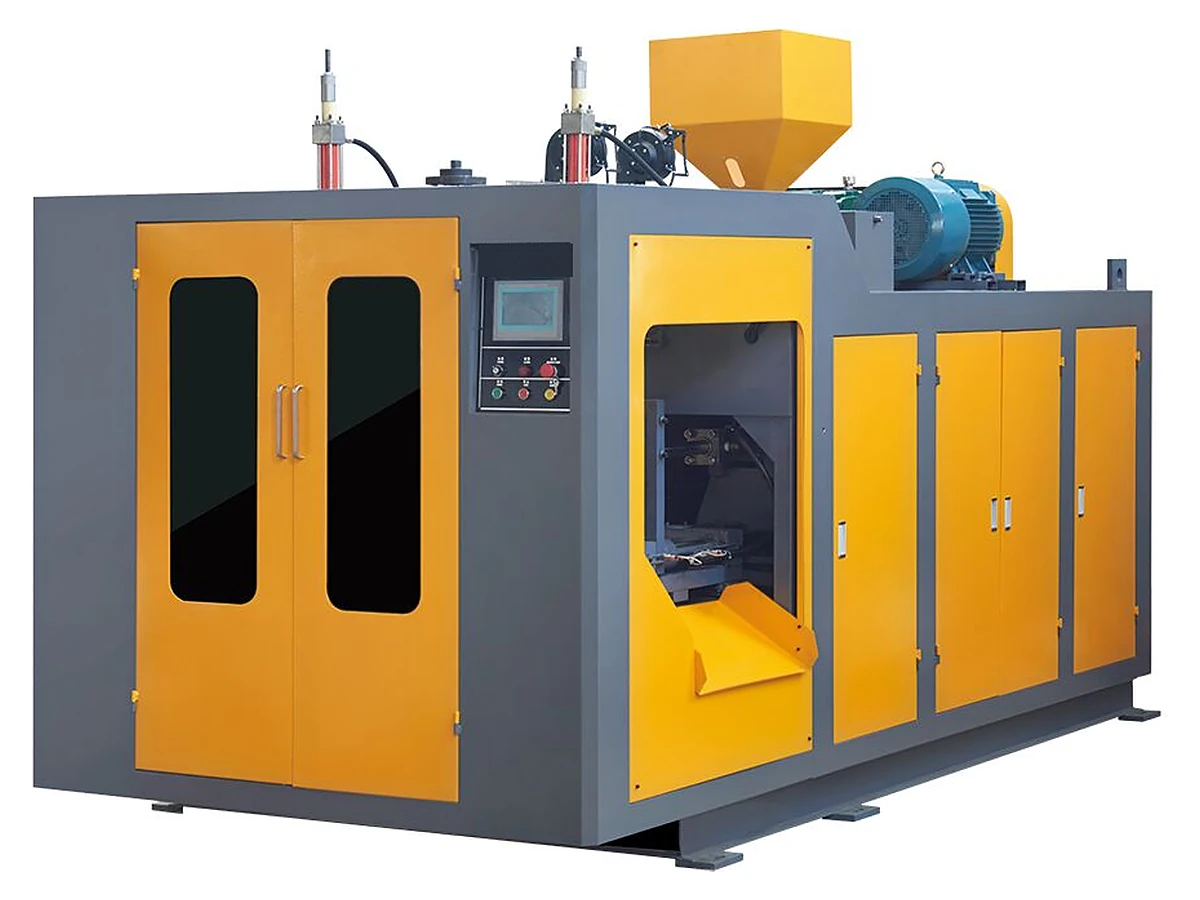
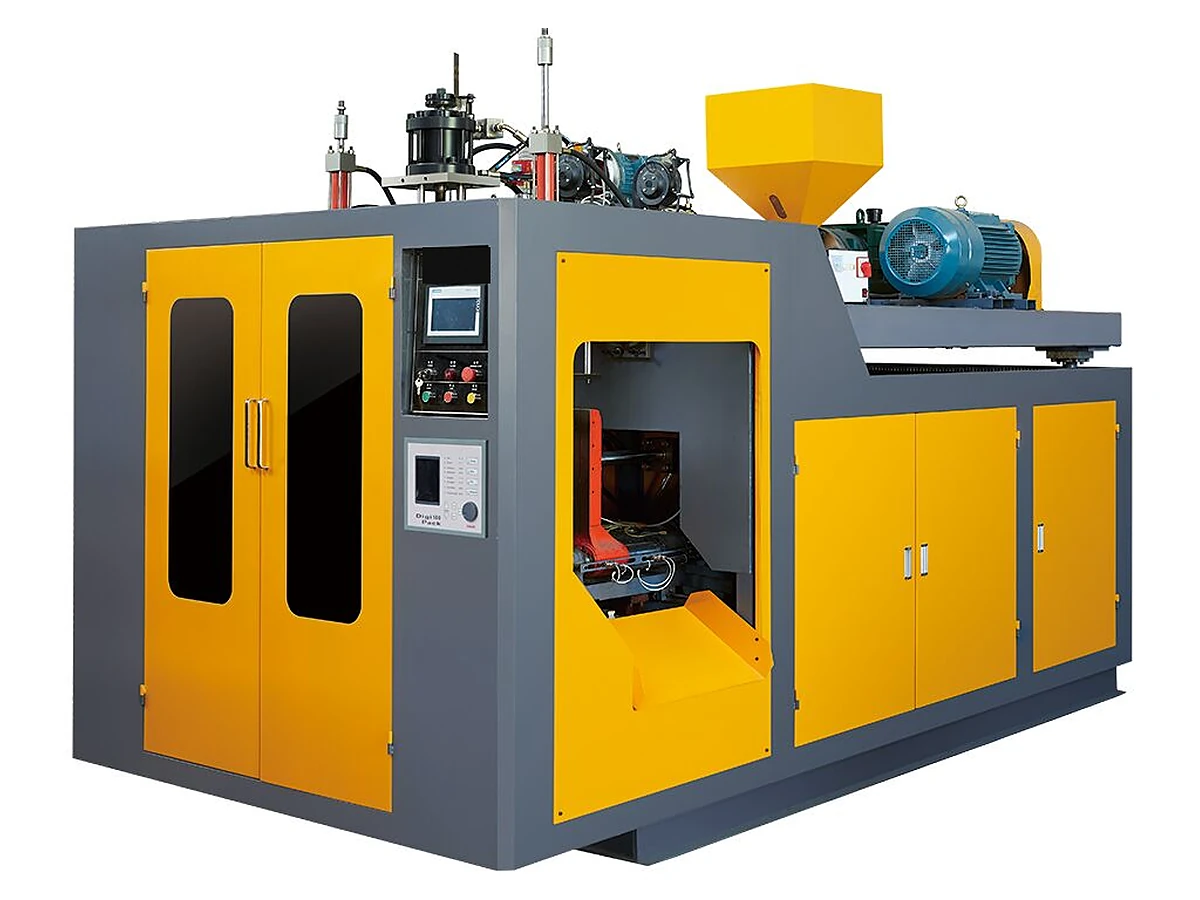
Clamp force is the first filter. A 10 L container blown on a 110 kN clamp says very little about a 30 L container that needs 215 kN, and a single-station machine says little about a double-station machine's take-off rhythm. Output bands follow the same logic: the ES-10LS is listed at 80–100 kg/h, the ES-10LD at 130–160 kg/h. A reference from the wrong band answers the wrong question.
The matching grid: what has to line up
Use the grid below before you accept any reference. The model, clamp force and output band are the minimum; the container and cavity count decide whether the experience transfers.
| Series | Model | Clamp force | Output (kg/h) | Container |
|---|---|---|---|---|
| Single-station 0–16 L | ES-5LS | 100 kN | 65–80 | 5 L |
| Single-station 0–16 L | ES-10LS | 110 kN | 80–100 | 10 L |
| Single-station 0–16 L | ES-16LS | 155 kN | 100–120 | 16 L |
| Double-station 0–16 L | ES-10LD | 110 kN | 130–160 | 10 L |
| Single-station 20–50 L | ES-30L | 215 kN | 100–120 | 30 L |
Swipe the table to see all columns →
A reference on an ES-16LD with a four-cavity mold is strong evidence for a 16 L project and weak evidence for a 5 L bottle. Read across the row, not down the logo list.
Eight questions that surface real operating experience
Ask these in order and write the answers down. A reference who answers six of eight with specifics is worth more than three who answer warmly.
- Which model, which mold, how many cavities, and is that same mold still running today? A machine sold with a four-cavity tool that now runs one cavity is a different production case.
- What container, what material and what part weight? Ask for the drawing or a photo of the part on a scale, not a verbal description.
- What cycle time did you measure with a stopwatch on a normal shift, and how does it compare with the figure quoted at order stage?
- What was uptime over the last twelve months, and what caused the lost hours? Uptime without a cause list is a number without a story.
- Who commissioned the machine, the supplier's own engineers or a local agent, and how many days passed before the first saleable part?
- Which spare parts have you consumed, how often, and what was the lead time from order to arrival?
- When the machine stopped, how long before you had a useful answer, and was support remote or on site?
- Would you buy the same model again, and what would you change: machine, mold, auxiliaries or layout?
Red flags: a showroom visit is not a reference
Some reference offers are theatre. Watch for these signals; any two together is a reason to ask for a different reference rather than a better presentation.
- Only a showroom demo is offered, never a running line inside a factory.
- Every reference runs a different model, a larger clamp or a different material from your project.
- Questions must go through the salesperson; the customer is never reachable, even with permission.
- Answers describe the supplier's hospitality and attitude, not uptime, scrap, spares or response time.
- The reference turns out to be a trader or another machine builder, not a container producer.
How to verify without asking for customer names
You do not need names to test a claim. Ask the supplier to relay three documents: a photo of the machine nameplate showing model and year, one redacted page from the maintenance log, and the spare-parts list actually consumed in the last year. Then ask the same eight questions through the supplier and compare the answers with the documents. Inconsistency between the two is the finding.
Where the customer agrees, a short call beats any document. Twenty minutes, the eight questions, and one closing question: what would you do differently? Keep the call about the container and the mold, not about the supplier's reputation.
If your project sits in the 0–16 L range, compare thesingle-station 0–16 L serieswith thedouble-station 0–16 L series, then readcommon blow molding defectsso you know which failures to ask about.
What to send for a quotation
A useful quotation starts from the container, not from a model number. Send these and the reply can be specific about clamp force, cavities and auxiliaries.
- Container drawing with volume, neck finish, part weight and wall target.
- Material, and whether regrind or a multi-layer structure is required.
- Planned cavity count and target output per hour.
- Shot weight and measured cycle time, if you already run a mold.
- The machine models you are comparing, plus the reference model you were given.
- Plant voltage and frequency, compressed air and chiller capacity.
- Destination port and the documents you need for import.
- The three questions you most want a reference customer to answer.
Still shortlisting? Readblow molding machine price rangesandPP vs PET for juice bottles, orsend the container drawingfor a model match.
Source: E-SHION product data. Specifications are subject to change without notice; customization is available.
This guide is written for production and procurement decisions. It uses published figures where available and avoids unverified performance claims.