The HS code on the invoice is not a paperwork detail. It sets the import duty your buyer pays, the export VAT refund you reclaim in China, and the document set the forwarder asks for at booking. One six-digit heading separates a blow molding machine from a blow mold, and a wrong subheading on a mold is one of the most common and most expensive classification mistakes in this trade. Before you approve a proforma invoice, check that 8477.30 and 8480.79 each appear where they should.
The short answer: 8477.30 for the machine, 8480.79 for the mold
Blow molding machines are classified under HS heading 8477.30. In the China export schedule the ten-digit split is 8477301000 for extrusion blow molding machines and 8477309000 for other blow molding machines. Blow molds for plastics normally go under 8480.79, and machine parts under 8477.90. Confirm the final code with your customs broker.
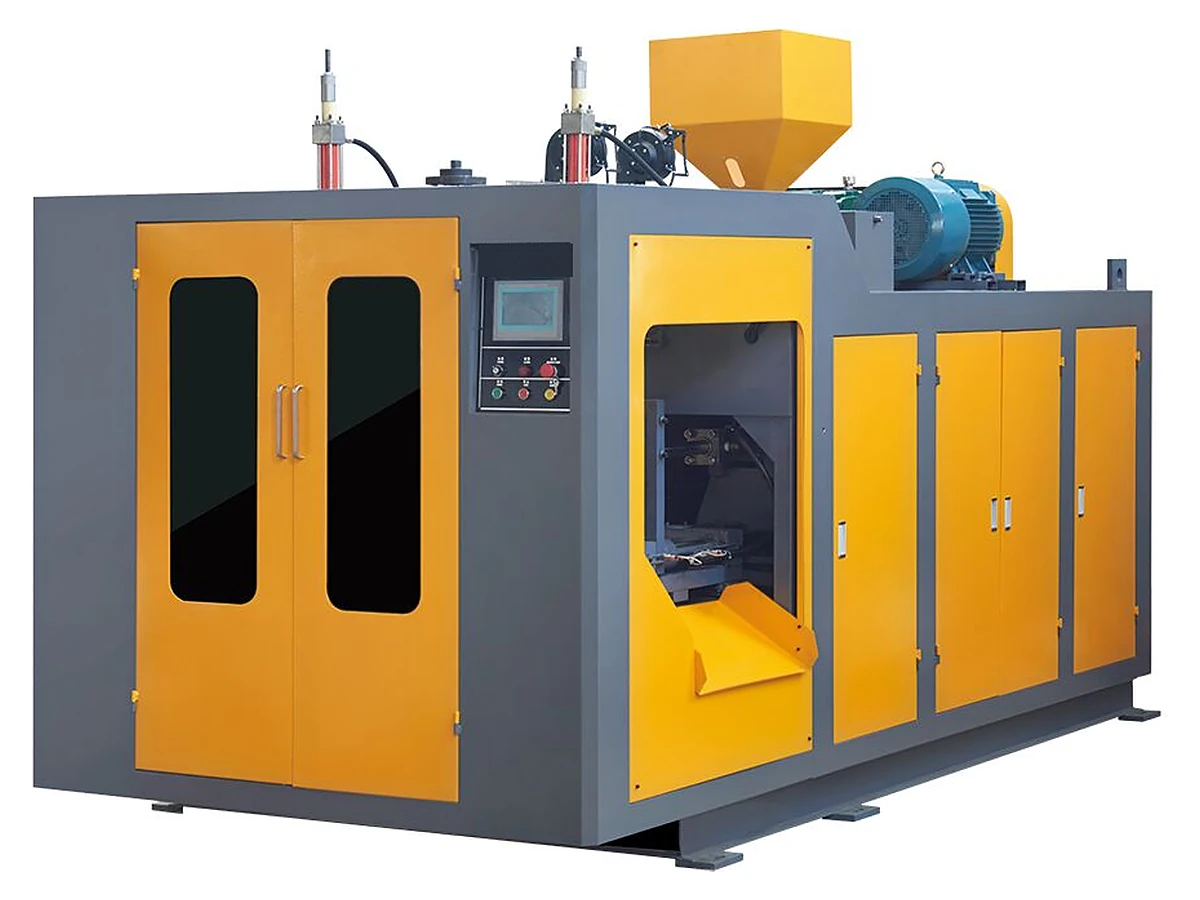
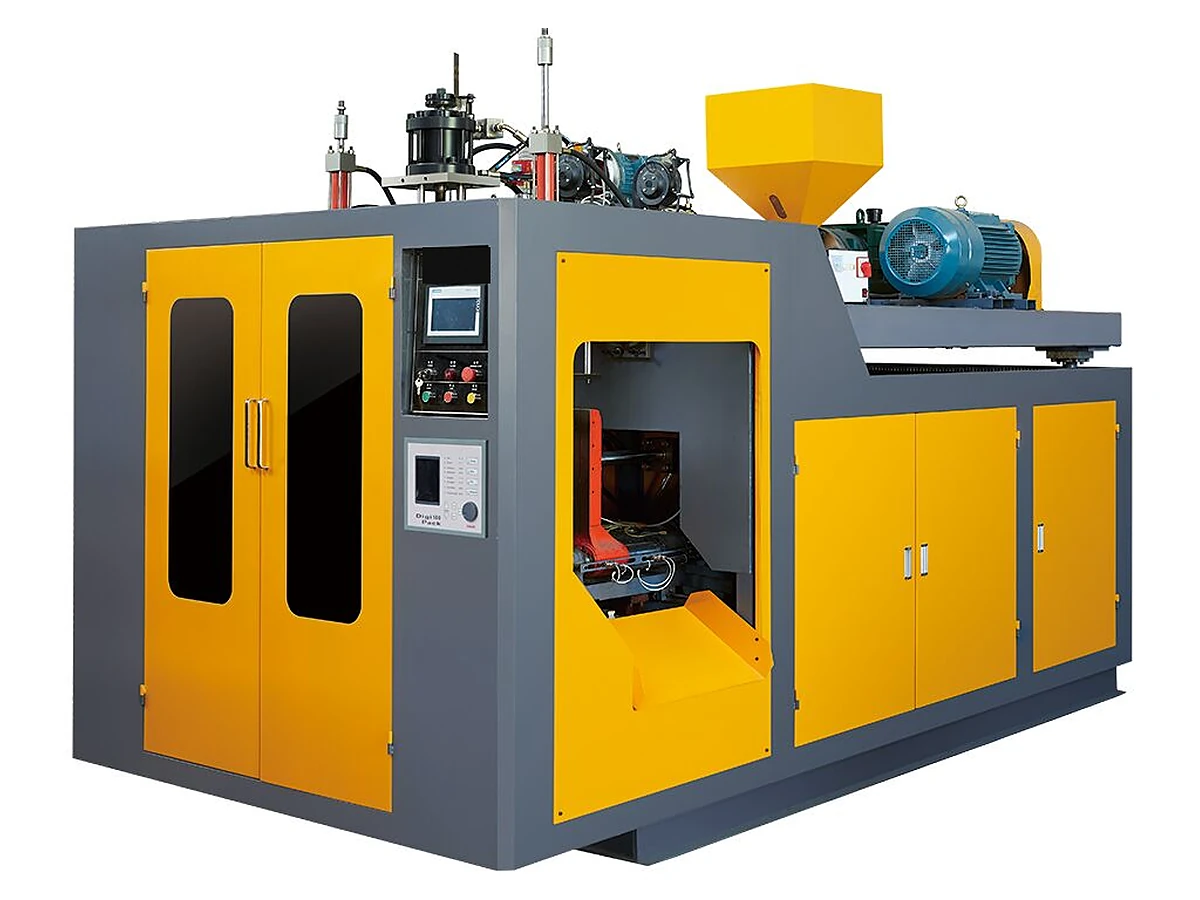
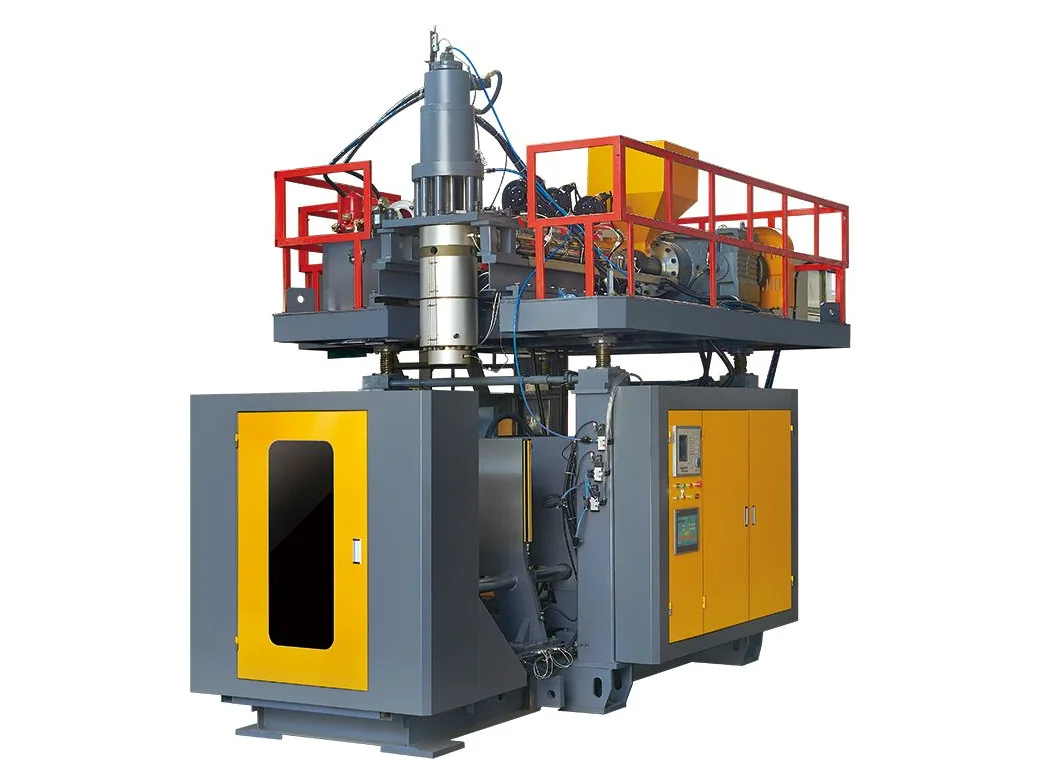
8477.30 covers blow molding machines as a heading, but the China export schedule splits it at ten digits, and that split is not cosmetic. 8477301000 is the code for extrusion blow molding machines, the type that extrudes a parison and closes a mold around it; a 5 L jerrycan or a 30 L drum line is that type. 8477309000 is the residual code for other blow molding machines, such as injection blow and stretch blow equipment. If a supplier writes only 8477.30 on the invoice, the broker still needs the ten-digit code to lodge the declaration, so ask before the deposit rather than at the terminal.
The classification table: machine, mold and parts
| Item | HS heading | China export code | What it covers |
|---|---|---|---|
| Blow molding machine, extrusion type | 8477.30 | 8477301000 | Extrudes a parison and blows it inside a closed mold |
| Blow molding machine, other types | 8477.30 | 8477309000 | Other blow molding machines, such as injection blow and stretch blow |
| Blow mold for plastics | 8480.79 | 848079 | Molds for rubber or plastics, other than injection or compression molds |
| Machine parts | 8477.90 | 847790 | Parts of the machinery of heading 8477 |
Swipe the table to see all columns →
Read the table as a starting point, not a ruling. The ten-digit codes are the China export side; your buyer's country applies its own national tariff line under the same six-digit heading, and the duty rate follows that national line. The six digits are what stay stable across borders, which is why the proforma invoice, the packing list and the bill of lading should at least agree at six digits, even when the destination line differs.
Choosing between thesingle-station 0–16 L rangeand thedouble-station 0–16 L rangechanges output and the invoice line, not the heading. If you are still comparing drives, thedrive comparisonis the shorter read.
Why 8480.71 is the wrong code for a blow mold
The trap is that 8480.71 sounds right. It is the subheading for injection and compression molds for rubber or plastics, and a blow mold is neither: the cavity is filled by inflating a parison, not by injecting or compressing melt. Blow molds for plastics therefore fall in the residual subheading 8480.79. The consequence is not academic. A mold declared under 8480.71 carries the wrong duty rate and the wrong refund treatment, and the broker has to amend the entry — usually with the container already booked.
How the code drives duty, origin and the declaration
On the China export side, heading 8477.30 currently carries a 13% export VAT refund and a 0% export duty, which moves landed cost more than the usual price gap between two suppliers. A mold under 8480.79 is a separate declaration with its own refund position, so bundling it into the machine invoice can change what is recoverable. Origin is a different question: the code says what the goods are, the certificate of origin says where they were made, and the buyer's preferential rate depends on the second. Rates change — confirm against the schedule in force on the shipment date.
The declaration also depends on the description matching the code. Write extrusion blow molding machine, model ES-10LS, container size and cavity layout, rather than blow molding machine alone. A vague description is what triggers the query that holds the container.
- The ten-digit code on the proforma invoice, the customs declaration and the packing list
- The goods description, written the same way on each document — extrusion blow molding machine, not just machine
- The mold as its own line with its own code, not absorbed into the machine value
- Origin documents that match where the machine and the mold were actually made
What to send for a quotation
A quotation that can be used for customs needs more than a model number. Send these and the reply can carry a model, a declared code and a document list in one pass:
- What the machine will make: container type, volume in litres, and a drawing or sample photo if you have one
- Target output in good parts per hour and the cavity count you expect
- Destination country and port, so the import-side code can be checked before booking
- Whether the mold is ordered with the machine or separately, and who holds the mold drawing
- Voltage, control-panel language and any document the destination customs requires, stated as a requirement rather than assumed
- Whether you need one invoice or two
For destination documents, read theCE and UKCA guide. If a factory visit is planned, thefactory tour checklistlists what to look at. For handover and first production, seestartup and shutdown, andsend the shipment detailsfor a quotation.
Source: E-SHION product data. Specifications are subject to change without notice; customization is available.
This guide is written for production and procurement decisions. It uses published figures where available and avoids unverified performance claims.