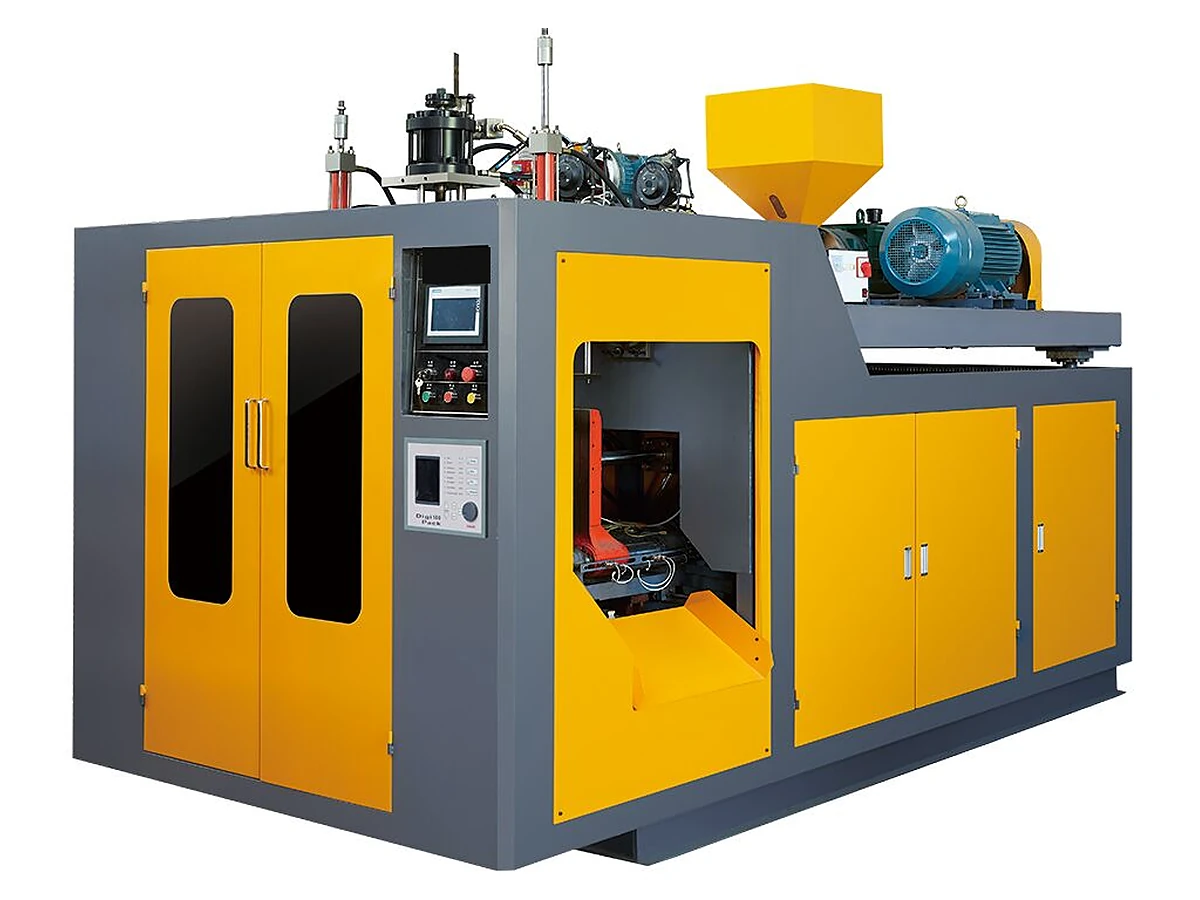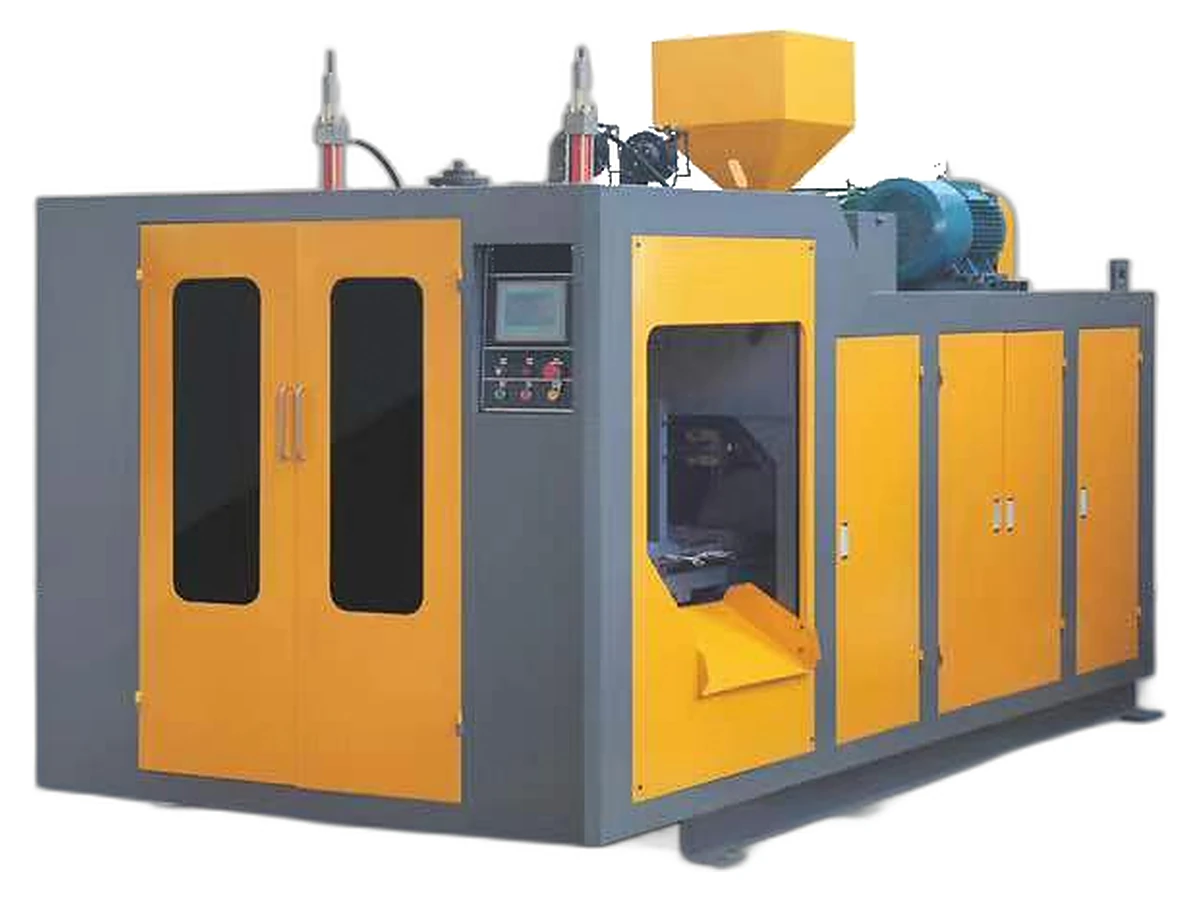
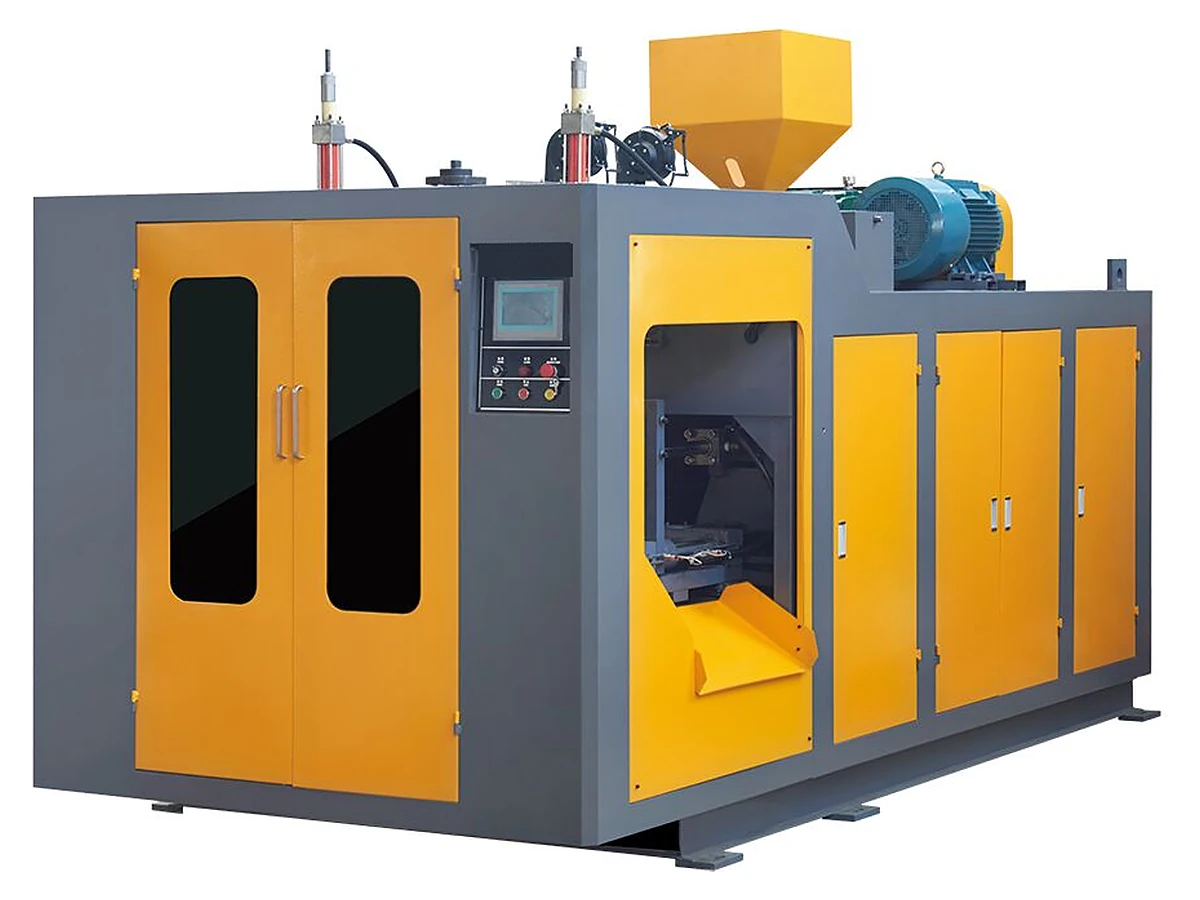
A new 5 L or 10 L blow molding machine is often the largest single purchase a small converter makes in a year. Most buyers begin by comparing interest rates. The more useful first question is when the money leaves the account: before the machine arrives, while it is ramping up, or after your own customers have paid. That timing decides whether the project survives its first year.
Which structure fits your cash flow?
Match the structure to the shape of your cash flow. Pay outright when cash is idle and total cost matters. Use supplier instalments while the machine earns. Choose lease or asset finance when you need fixed monthly payments. Use export credit for larger tickets and longer tenor. Then compare total cash out month by month, not the quoted rate.
Four structures, compared by cash-flow shape
None of the four is cheaper in every case, and none is approved on the strength of the machine alone. Each asks for a different down payment, a different security package and a different document set. The table compares them by when cash leaves the business, which is the number your accountant and your bank will ask for first.
| Structure | Best fit | What the provider usually asks for | Main watch-out |
|---|---|---|---|
| Outright purchase | Cash or retained earnings available; lowest total cost and clear title matter most | Supplier proforma invoice, transfer records, import documents if shipped | Working capital is tied up before the machine earns; keep budget for molds and auxiliaries |
| Supplier instalments | Machine is delivered and accepted while payments continue | Down payment, signed contract, delivery and acceptance schedule, sometimes a bank guarantee | Milestones must follow the acceptance test, not only the shipment date |
| Lease or asset finance | Fixed monthly payments and bank lines kept free | Company accounts, bank statements, machine quotation, sometimes a deposit | Total cost over the term is usually higher; early termination and ownership terms vary |
| Export credit or buyer credit | Larger order values and longer repayment periods, often cross-border | Contract, invoice, shipping documents, insurance, credit assessment of the buyer | Approval can take longer than the build; the file must be complete before shipment |
Swipe the table to see all columns →
Order value, lead time, acceptance test and customs value are the four machine-side numbers a lender reads first. Molds, chillers, compressors and grinders are often financed separately, because they arrive on different invoices and are harder to value as security.
What the machine file must show
A lender is not buying a machine. It is buying evidence that the machine exists, has a defined value and will be accepted. The quotation, contract and invoice should carry the same model code and the same scope. The serial number on the nameplate should match the packing list. The acceptance certificate should be dated, signed by both sides, and list the test items and results. A mismatch becomes a question in the week of shipment, which is the worst possible week.
Compare thesingle-station rangeand thedouble-station rangebefore fixing the order value, because station count changes output, price and the scale of the facility your lender is asked to fund.
A cash-flow template for one machine
Build the budget in four groups: machine, mold, auxiliaries and commissioning. Place the payment milestones on a calendar: deposit at order, payment before shipment, payment at acceptance, plus any retention in the contract. Add the mold and auxiliary invoices on their own dates. The result is a month-by-month cash-out line. Compare it with the month the machine starts producing good parts. If cash-out still runs ahead of revenue when working capital runs out, the structure is too tight.
For market context only, a 5–30 L blow molding machine is commonly quoted in the USD 40,000–90,000 range, with molds, auxiliaries and commissioning extra. The final price depends on model, mold, cavity layout, material, drive and control configuration, and destination; confirm it in the quotation. Use the range to stress-test the plan, not as a budget figure.
What to send for a quotation
A quotation that a lender can use needs more than a container size. Send the following and the commercial and financing files can move in parallel.
- Container drawing or sample with volume, neck finish and weight target
- Material and layer structure, including any recycled-content requirement
- Cavity count, target output per hour and the shift pattern
- Site conditions: available power, air supply, floor loading and ceiling height
- Destination port and Incoterm, because freight and customs value change the file
- Preferred payment structure: outright, instalments, lease or export credit
- Company registration and recent financial statements if you plan to apply for lease or credit
Safety requirements and operator training belong in the same acceptance file, so confirm them before signing. Our team in Taizhou can review the machine scope and the payment schedule together.
Review thesafety requirementsand theoperator training planwith the same file, thencontact our teamwith the container specification.
Source: E-SHION product data. Specifications are subject to change without notice; customization is available.
This guide is written for production and procurement decisions. It uses published figures where available and avoids unverified performance claims.