Sending a complete 3D bottle model to a mold shop is the fastest way to get a price and the slowest way to learn who owns the design. Most buyers release the full file before a purchase order exists, then try to separate three things that should have been separate from the first email: the drawing, the mold and the bottle shape.
Three rights buyers treat as one
You are protecting three different things. The physical mold is a piece of tooling you can own, move and insure. The drawing is a copyright work with an author. The bottle shape can be a registered design or a design patent in your sales market. Each is transferred by a different document, and an NDA covers only information, not ownership.
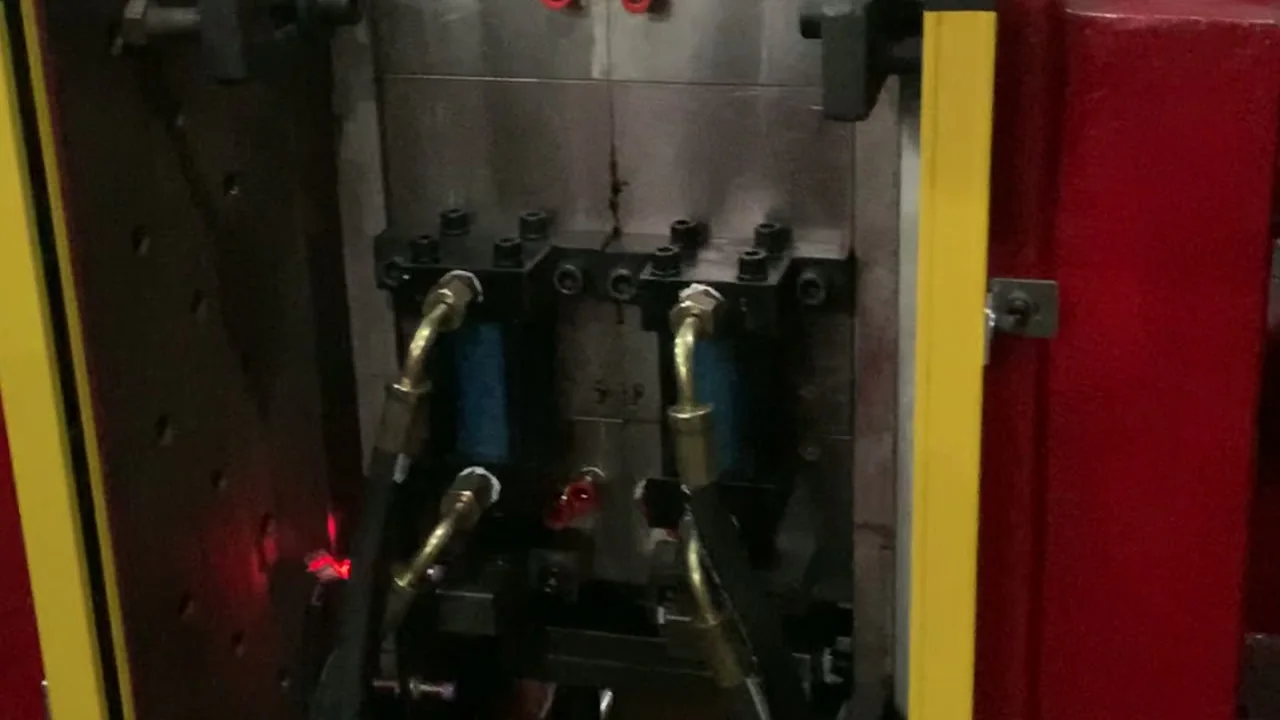
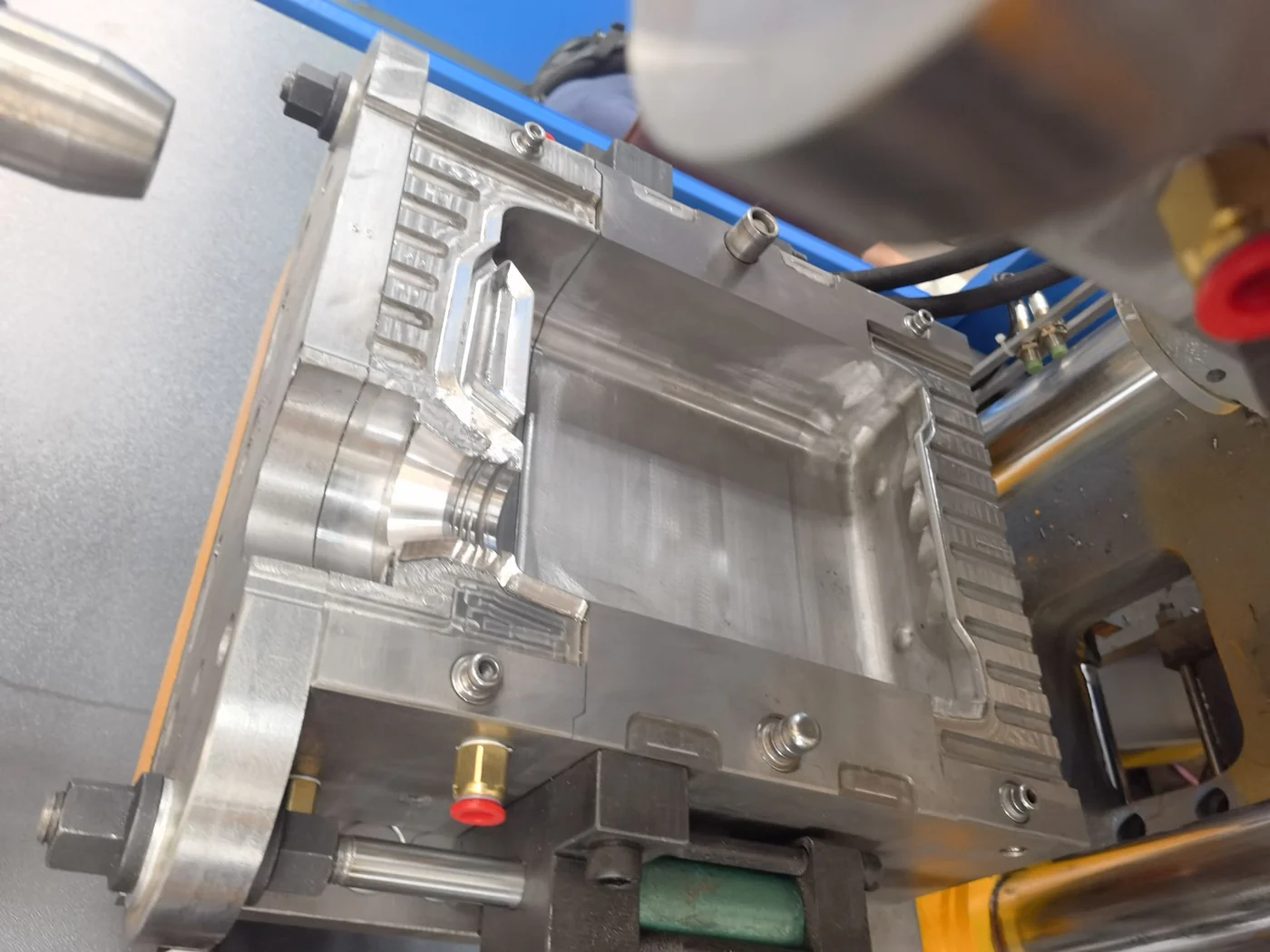
Physical mold ownership is normally settled by the purchase order and the payment schedule: the tool is yours once it is paid for, and it should carry a nameplate with your part number, cavity count and the mold maker's mark. Copyright in the drawing sits with whoever created it unless the contract assigns it in writing. Design patents and registered designs are filed in the market where you sell, and they protect the shape against copyists rather than stopping a factory from reusing your file. Chinese copyright and design-patent practice differs from the EU and the US, so have a lawyer confirm the position for your case.
Release the drawing in three stages, not one
The strongest control is not a longer NDA; it is releasing less, later. Split the file package so that each stage answers one question, and each stage unlocks the next only when the previous commercial step is done.
- Stage 1, envelope drawing: overall length, width, height, neck finish, target weight and the container outline. Enough to quote a machine and a mold, not enough to cut steel.
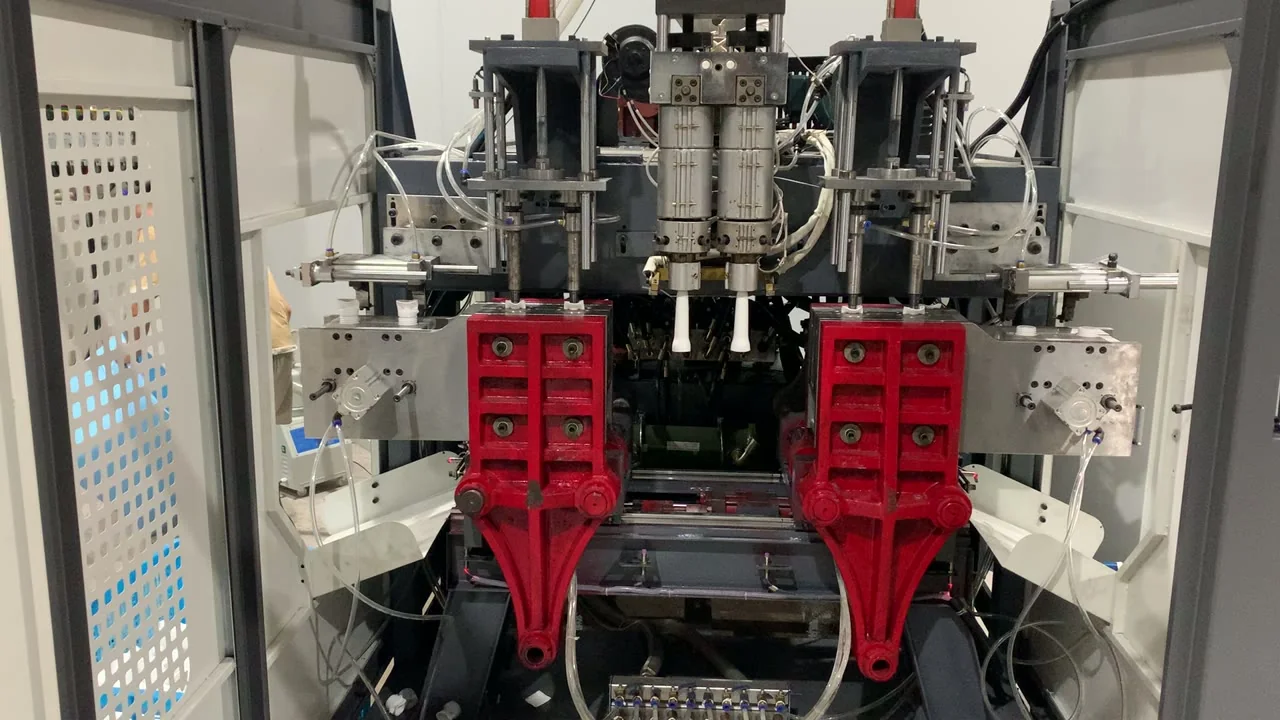
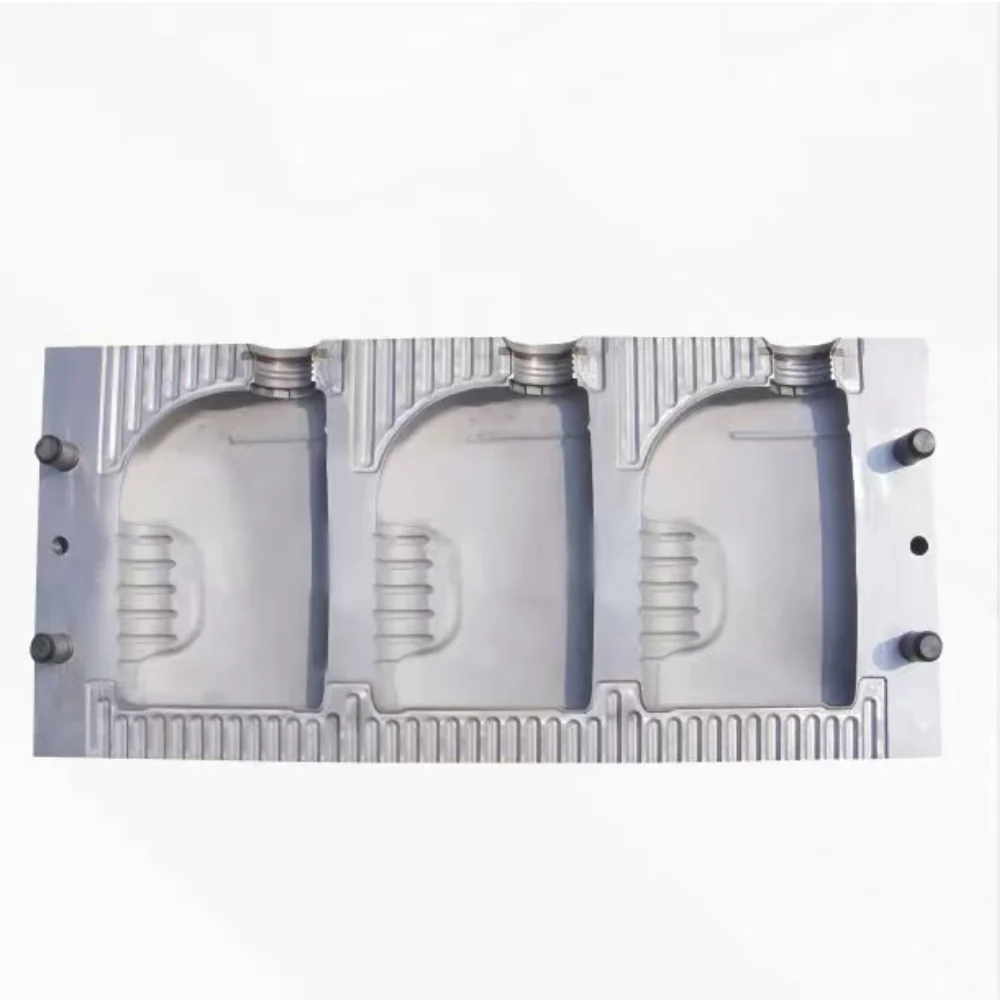
- Stage 2, cavity layout: cavity count, pitch, mold base dimensions, cooling and ejector positions. Released when the technical proposal is agreed and before the mold order.
- Stage 3, full 3D model and 2D detail drawings: released after the purchase order and the first payment, against a signed NDA with a written scope.
Every file should be watermarked, dated and logged with the recipient's name. If a mold shop says it cannot quote without the full 3D model, that tells you something about its process; it is not a rule of the trade.
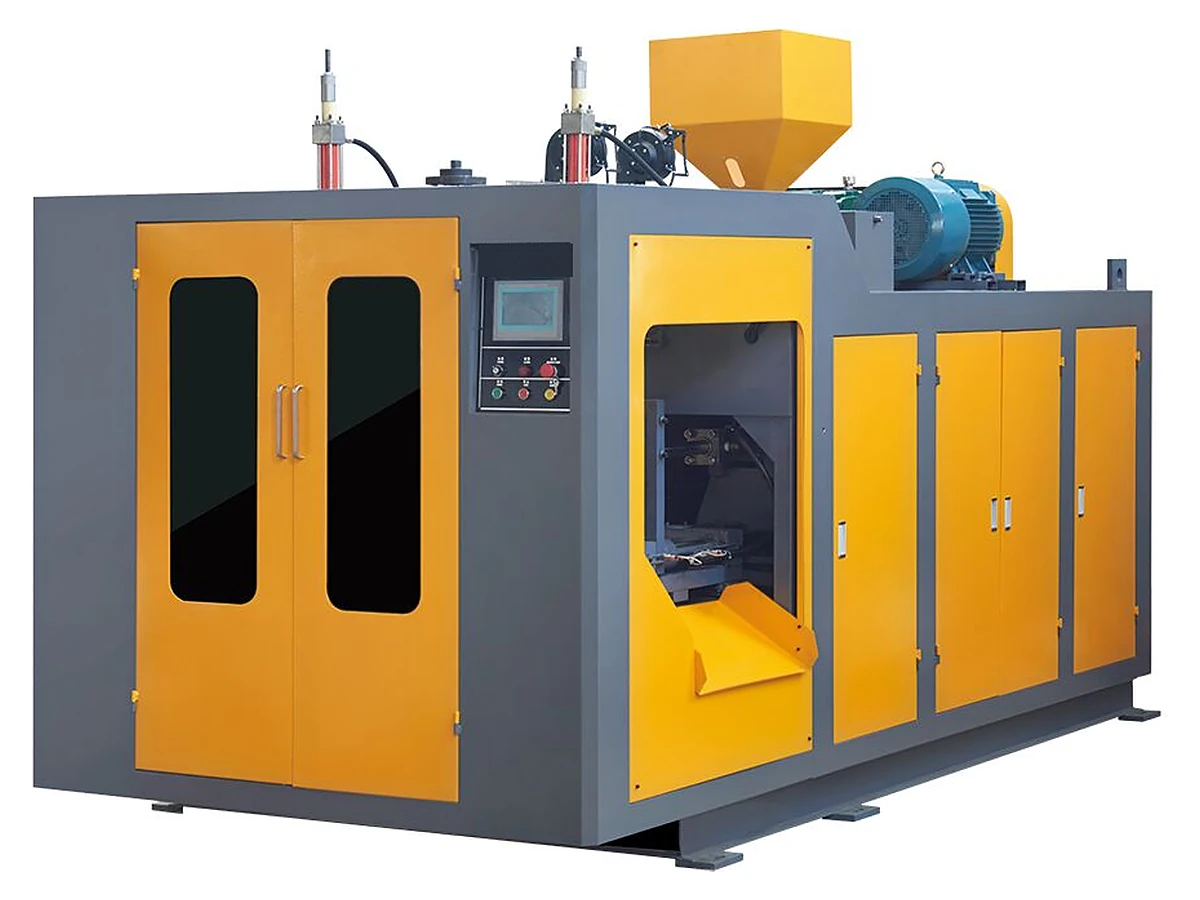
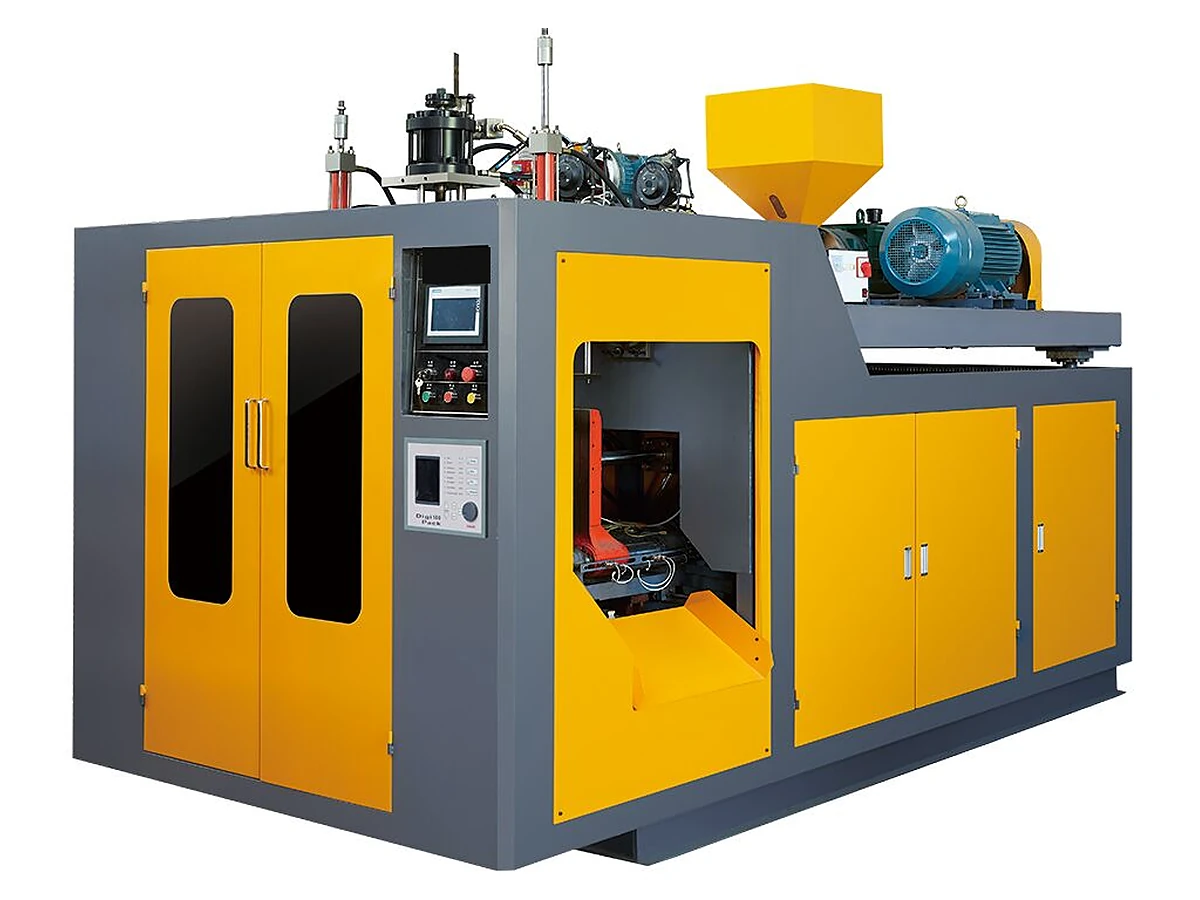
Machine sizing runs in parallel: compare thesingle-station 0–16 L rangewith thedouble-station 0–16 L range, and settle whether the tool isa blow mold rather than an injection moldbefore the cavity layout is fixed.
Six controls and what each one actually enforces
An NDA is one row in a longer table. These six controls are independent: each closes a different failure, and skipping one leaves a gap the others do not cover.
| Control | What it enforces | What it does not do |
|---|---|---|
| Split drawings by stage | Limits what leaves before payment | Stops nothing already released |
| Need-to-know release | Names who may open the file | Does not bind unnamed subcontractors |
| NDA with a defined scope | Creates a claim over the files | Does not transfer ownership |
| Mold nameplate | Identifies the tool physically | Does not prove drawing ownership |
| Return or deletion on acceptance | Ends the supplier's copy | Needs written confirmation |
| Exclusivity clause | Keeps the layout from your competitor | Costs more; needs term and territory |
Swipe the table to see all columns →
Read the table by column. The middle column is what you gain, and the right column is what you should not expect. A buyer who only signs an NDA has covered one row of six.
What the NDA should actually say
- Define confidential information by file type and stage: envelope drawing, cavity layout, 3D model, wall-thickness profile, test reports.
- Name the permitted recipients inside the mold maker, and require written approval before any subcontractor sees a file.
- State the purpose limitation: files may be used for your molds and for no other project.
- Set a fixed term plus a return-or-delete obligation with written confirmation.
- Choose a remedy that is practical where you would enforce it, and have a lawyer review the wording.
An NDA gives you a claim after the fact; it does not stop a file being copied. That is why the release schedule and the nameplate carry as much weight as the paperwork.
Acceptance and handover: tie the last payment to the files
Handover is the last moment you have real leverage, so put the file checklist into the acceptance visit instead of leaving it to an email afterwards.
- Run the mold trial and record measured cycle time, container weight and wall-thickness sections.
- Take the physical mold with a legible nameplate, a spare parts list and the cooling and ejector drawings.
- Collect the final 2D drawings, the 3D revision actually used, and the parison program or die-gap profile.
- Get a signed return-or-delete confirmation that lists every revision held, including by subcontractors.
- Record drawing ownership in the acceptance document, not only in the NDA.
Make the final payment conditional on that list and say so in the purchase order. A supplier who will not put file return in writing has answered the question.
What to send for a quotation
For a machine quotation, the container matters more than the drawing package. Send:
- A container drawing or a physical sample, with the neck finish standard and target weight.
- Material and layer structure, and whether regrind is allowed.
- Output target in good bottles per hour, and the shift pattern.
- The cavity count you are considering, and any mold interface you already own.
- Destination country, voltage and the language required on the control panel.
If the drawing is the sensitive part, send the envelope drawing first through thecontact pageand hold the 3D model until the purchase order.
Source: E-SHION product data. Specifications are subject to change without notice; customization is available.
This guide is written for production and procurement decisions. It uses published figures where available and avoids unverified performance claims.