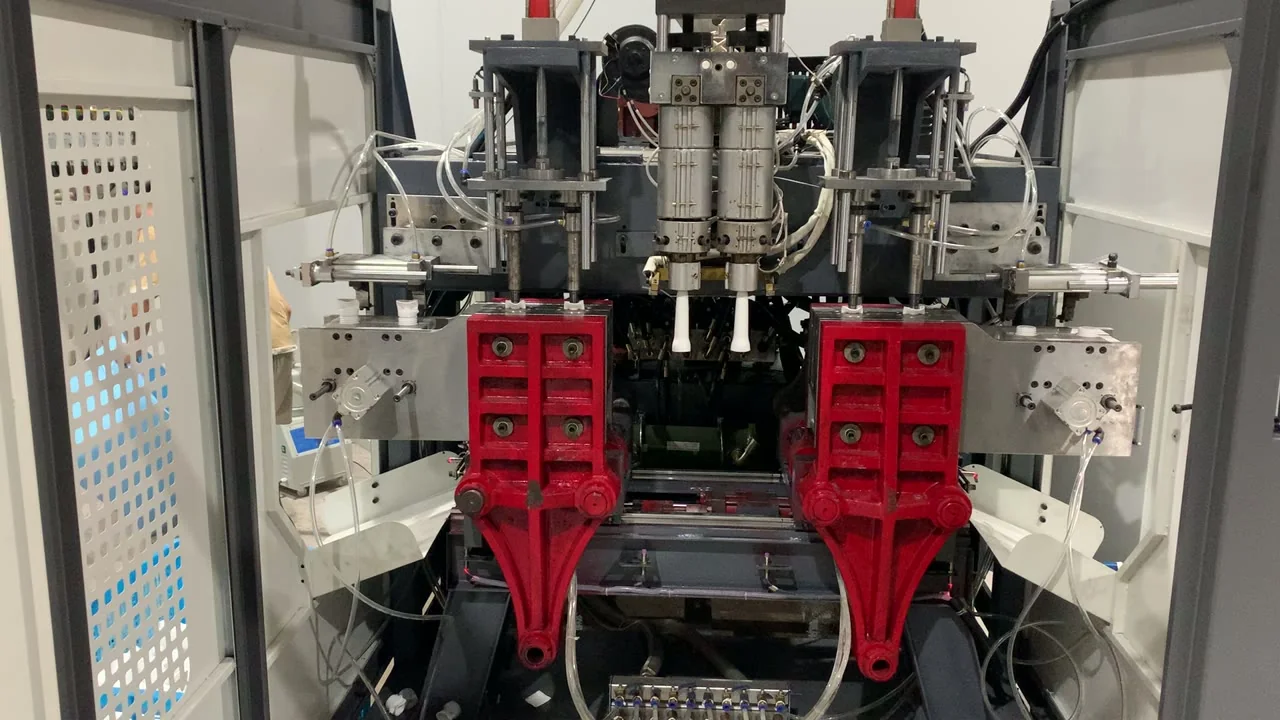
A purchase order for a blow molding machine is easy to date and hard to plan. The machine is only one line in the schedule: molds, drawings, utilities, shipping, customs, installation and operator training all have to land in the right order. Most projects that slip do not slip in the factory — they slip while waiting for a buyer-side approval.
How long does a blow molding project take?
There is no fixed total. A small single-station line can be quoted, built and installed on a short schedule; a multi-cavity project with new molds and a new building takes longer. E-SHION confirms the machine schedule against the order, and the mold typically needs 20–60 days after drawing approval. Plan from confirmed dates, not averages.
Four clocks run at once: the mold, the machine, the shipment and the site. The mold clock starts when you approve the drawing; tooling commonly takes 20–60 days after that approval, and a complex multi-cavity tool sits at the long end. The machine clock starts when the order, the technical agreement and the production slot are confirmed. The shipping clock starts at packing and depends on the route. The site clock is yours alone: power, floor, water, air, drainage and trained people. A schedule that shows only the machine build is not a project schedule.
The stages, in the order they must happen
Most projects move through the same nine stages, and the sequence is stable even when the dates are not: container drawing and mold design, mold making, machine build and pre-assembly, factory acceptance test (FAT), packing and booking, sea freight and customs, installation, trial production, and operator training with final acceptance. Each stage produces a document or a sample that the next stage needs. That is why one unsigned drawing early in the project can cost a week of mold work later, and why the approval dates belong in the contract schedule, not in an email thread.
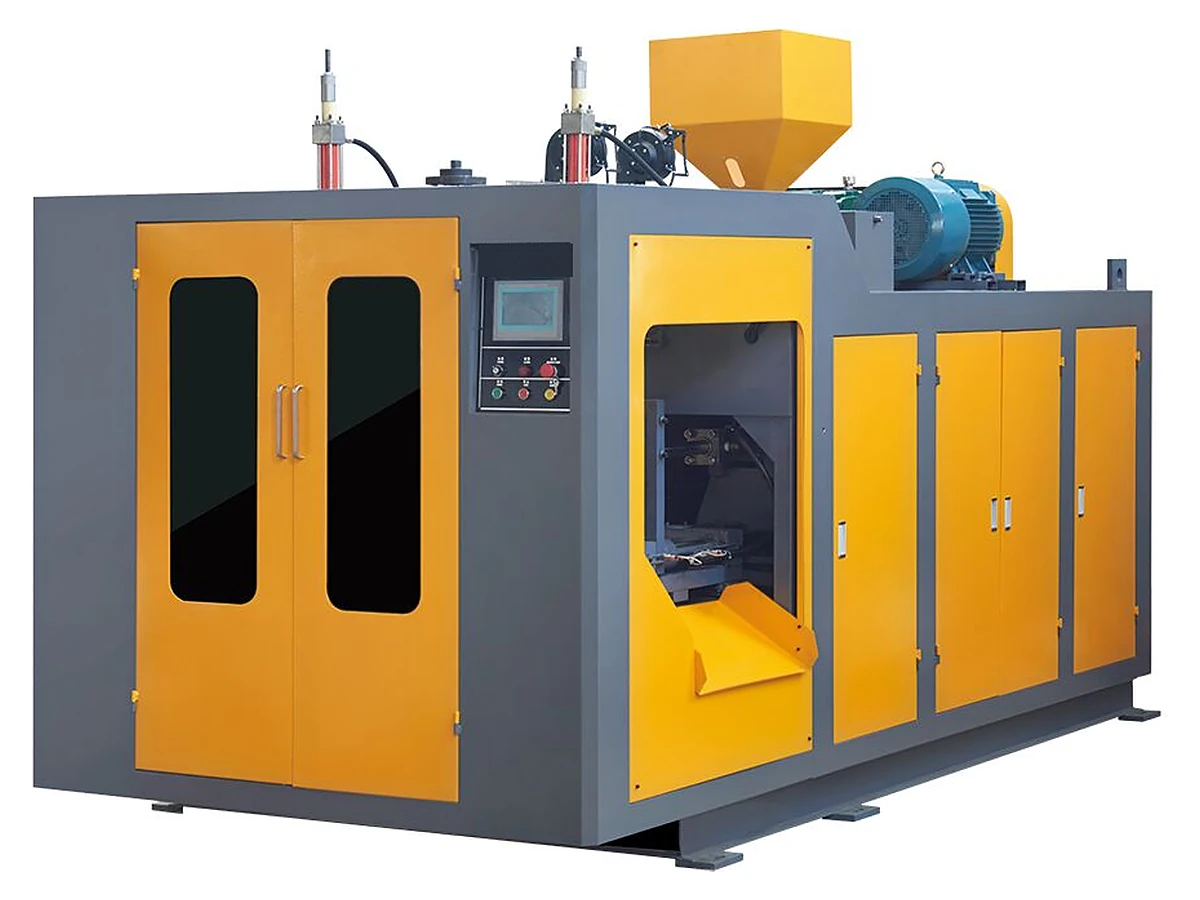
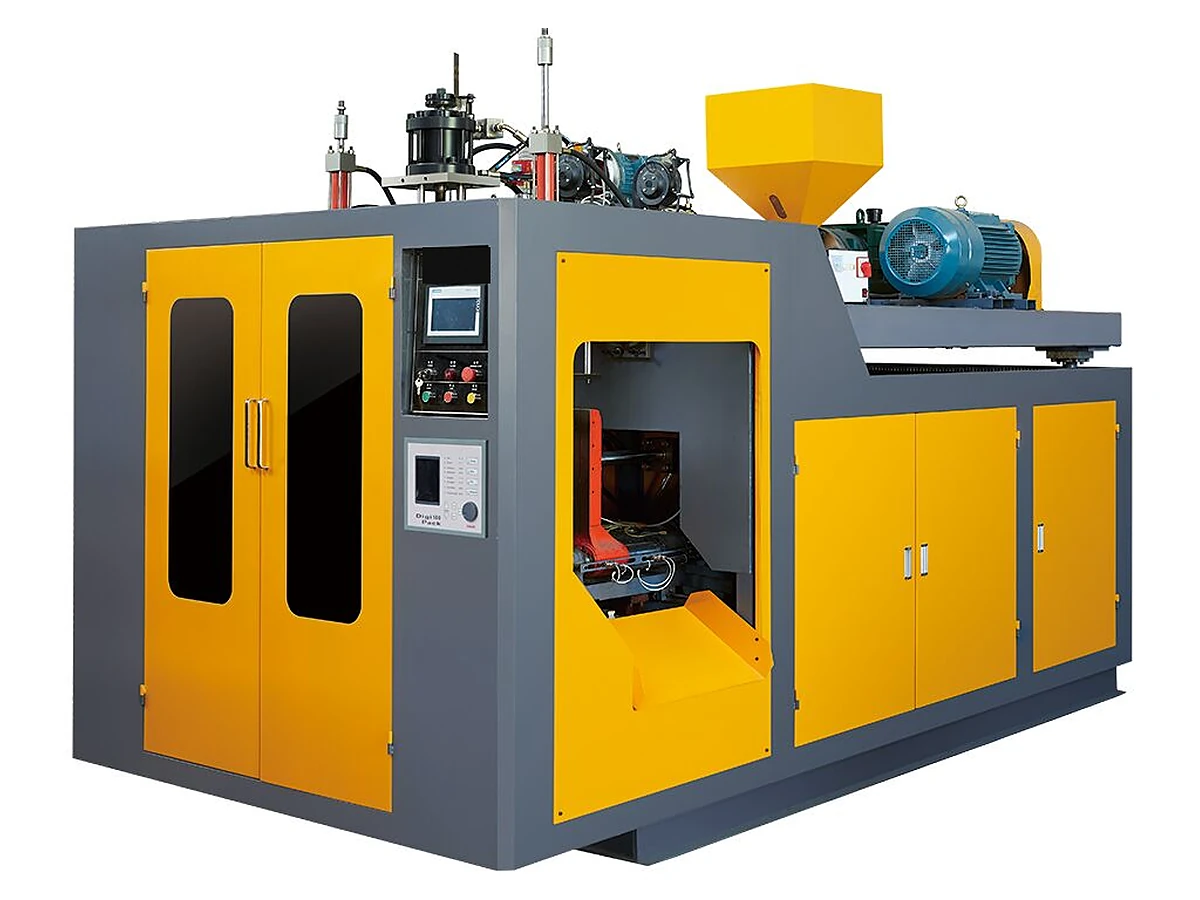
Machine selection affects the schedule as much as the mold does. Compare the0.1–16 L single-station serieswith thedouble-station series, and review1–2 L small bottle productionbefore the technical agreement is frozen.
What can run in parallel, and what cannot
Parallel work is where a schedule is won. Mold making and machine building can overlap once the drawing is approved. Site preparation — foundation, power, water, compressed air, drainage — can run while the machine is still in build. Operator recruitment and raw-material sourcing can run during shipping. What cannot be compressed is the approval chain: the mold cannot start before the drawing is signed, FAT must pass before packing, packing must finish before booking, and installation must finish before trial production. Trial production must produce an acceptable container before final acceptance.
- Series: drawing approval, then mold making, mold trial and sample approval.
- Series: machine build, FAT, packing and booking. FAT has five steps: incoming parts, assembly, electrical and hydraulic checks, dry run and packing.
- Parallel: foundation, power, air and water while the machine is in build.
- Parallel: operator recruitment, material ordering and customs paperwork during shipping.
- Series: installation, trial production, training and final acceptance.
A week-by-week planning frame
Use the table as a planning frame, not a promise. Durations below are ranges to confirm for your order, mold and destination; the owner column is the part most schedules leave out, and it is usually the part that decides the critical path.
| Stage | Duration or confirmation | Owner | Can run in parallel with |
|---|---|---|---|
| Container drawing and mold design | Buyer review and drawing approval; mold 20–60 days after approval | Buyer + E-SHION | Machine scheduling |
| Machine build and pre-assembly | Per order scheduling; confirmed at PO | E-SHION | Mold making |
| Factory acceptance test (FAT) | Five steps: incoming parts, assembly, electrical/hydraulic, dry run, packing | E-SHION; buyer may attend | Booking preparation |
| Packing and sea freight | Confirmed by route, forwarder and booking | E-SHION + forwarder | Site preparation |
| Customs and delivery to site | Confirmed by destination and broker | Buyer's broker | Installation crew travel |
| Installation and commissioning | Scope and working days written into the contract | E-SHION + buyer utilities | Operator training start |
| Trial production | Run the agreed container and samples | Both sides | Training |
| Final acceptance and training | Signed acceptance; training scope in contract | Both sides | — |
Swipe the table to see all columns →
Where projects actually lose weeks
In practice, the factory stages are the visible ones. The hidden delays are approvals and site readiness: a drawing that waits for a signature pushes the mold, the sample and the shipment in one move; a voltage or frequency change discovered after the machine is built can stop commissioning; a foundation poured late keeps the machine on its skids. The machine schedule is confirmed against your order, so the earlier the technical agreement is frozen, the firmer the date. Treat every buyer-side item as a milestone with a date, and review the schedule weekly instead of at the end.
What to send for a quotation
A quotation that can be scheduled needs more than a container volume. Send the items below and the reply can include a production slot, a mold lead time and a FAT window instead of a generic price range.
- Container drawing or a physical sample: volume, weight, material, neck finish and wall-thickness target.
- Target output per hour or per shift, and whether you prefer single-station or double-station.
- Material grade, including any recycled-content or multi-layer requirement.
- Workshop voltage and frequency, plus available compressed air and cooling capacity.
- Destination port and the date you need the first saleable bottle.
- On-site scope: supervision only, or full installation, commissioning and operator training.
- Payment terms, including any letter-of-credit requirement.
Source: E-SHION product data. Specifications are subject to change without notice; customization is available.
This guide is written for production and procurement decisions. It uses published figures where available and avoids unverified performance claims.