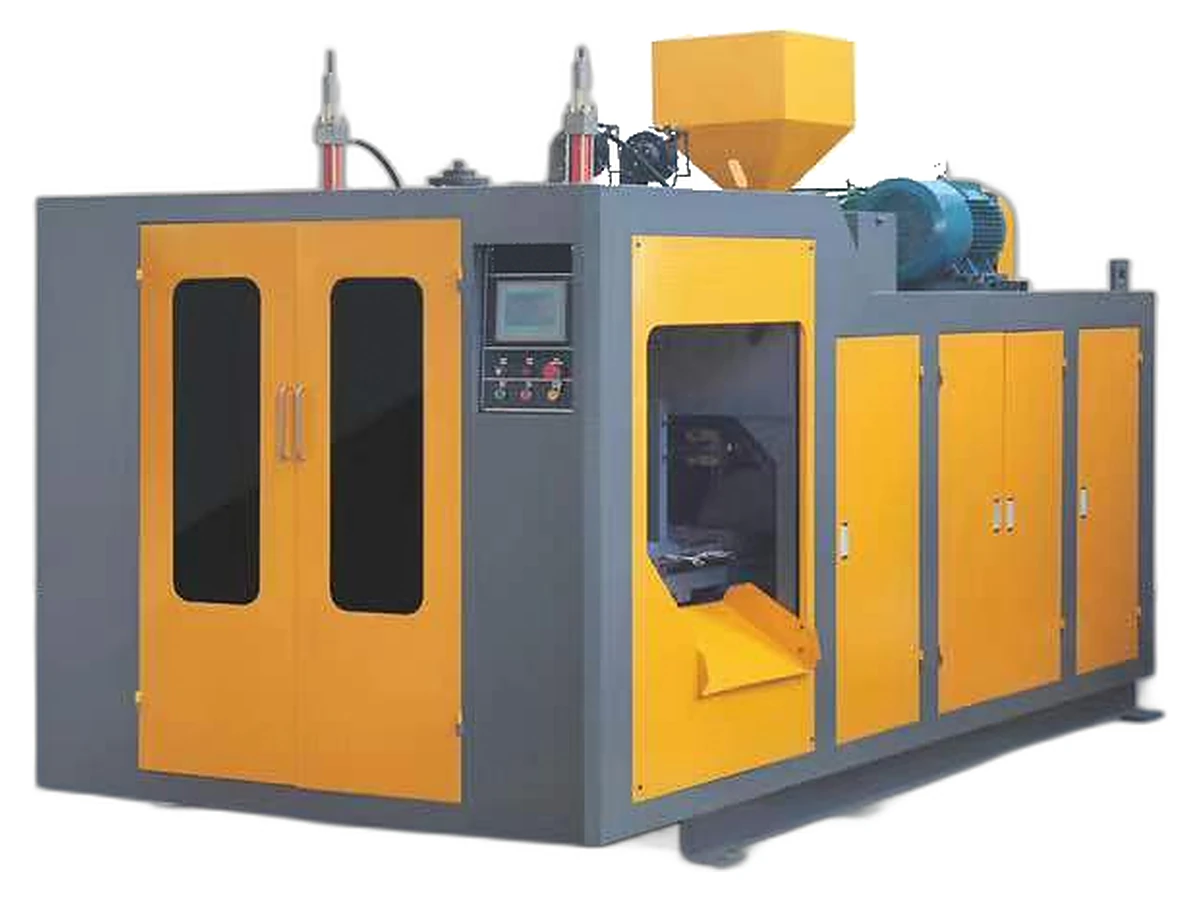
A machine that is waiting for a heater band is not producing bottles. The first month after installation is when a missing thermocouple, a torn blow-pin seal or a failed proximity switch hurts most, because the line is still being commissioned and every hour of downtime delays the first saleable pallet. The fix is not a generic box of spares. It is a short, model-specific list agreed when you place the order, so the parts arrive with the machine rather than three weeks after it stops.
Which spare parts should you stock before start-up?
Stock two tiers. The first is a commissioning set that covers the die head, blow station, hydraulics, pneumatics and controls, enough to get through the first month without waiting on a shipment. The second is a wear set for years one to three, based on how many shifts you run and which parts your maintenance team can replace safely.
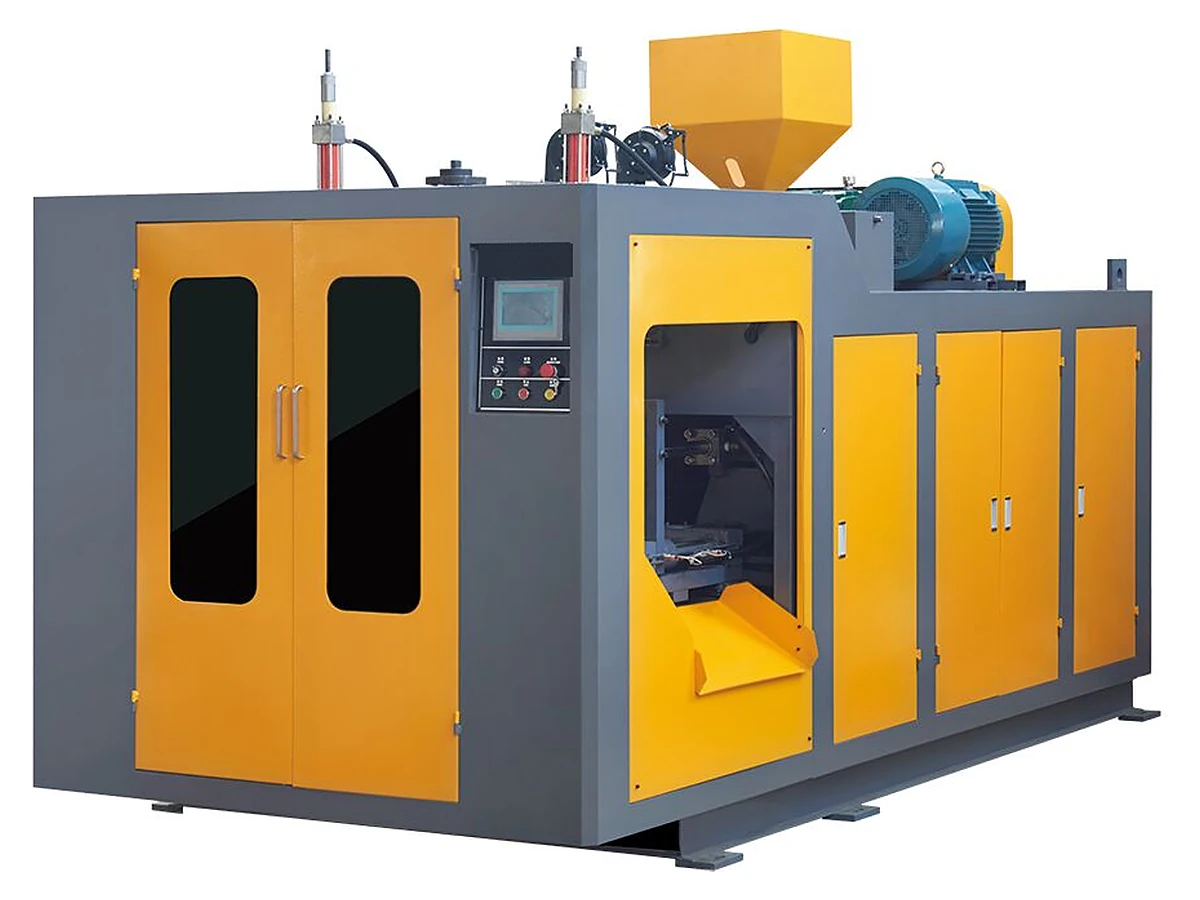
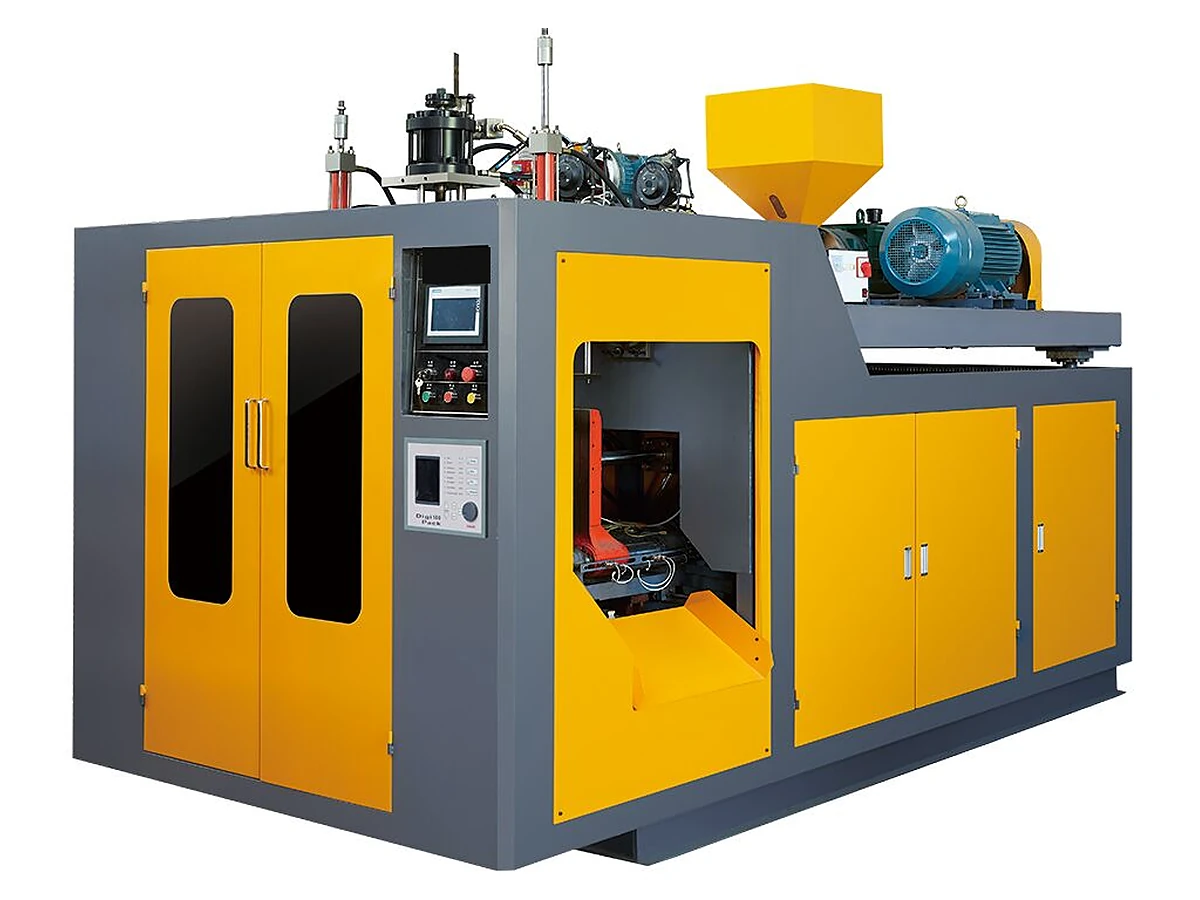
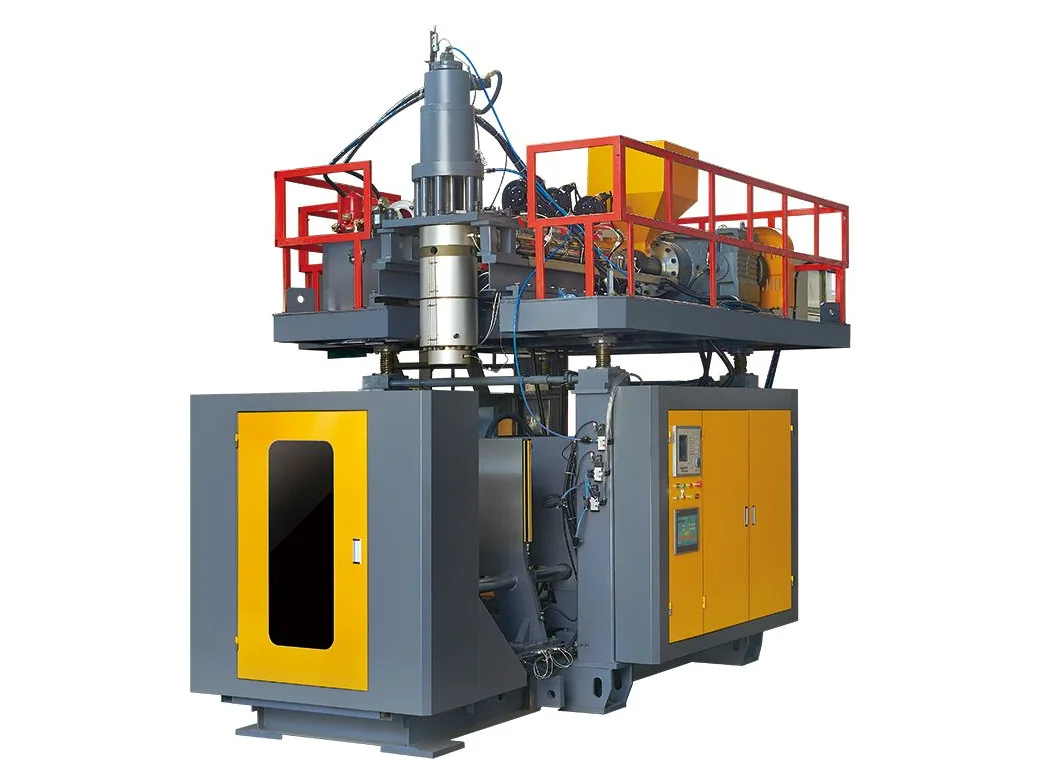
Neither tier is a fixed kit. The recommended list is agreed at order and priced with the machine, because quantities depend on cavity count, screw diameter, hydraulic pump size and the control platform. A 2 L machine and a 50 L machine share part families but not part sizes: the ES-2LS runs a 50–55 mm screw with a 7.5 kW oil pump, while the ES-50L uses a 90 mm screw and a 22 kW pump. The same filter or seal rarely fits both. Ask for the list against your model and mold drawing, then confirm each line before the proforma is issued.
The five part families to list at order
- Die head: heater bands, thermocouples and die-gap adjusters. These set parison temperature and wall distribution; a failing band usually shows as a thickness swing before it shows as an alarm.
- Blow station: blow pins, neck inserts and seals. A worn seal leaks air, and a damaged neck insert produces an oval neck that a capper will reject.
- Hydraulics: filters, seals and gauges. Filters are the cheapest early warning on the machine; a wrong gauge reading sends maintenance in the wrong direction.
- Pneumatics: valves, silencers and fittings. A sticking valve changes clamp or blow timing and is easily misread as a mold fault.
- Controls: PLC I/O, proximity switches and relays. Small and low-cost, these are a common reason a line will not restart after a weekend stop.
Write these five families into the purchase order instead of asking for “a spare-parts kit”. A kit looks complete but rarely matches your cavity layout, and it hides the one part you will actually need.
Spare-parts list by wear tier
| Part family | Commissioning set (first month) | Wear set (years 1–3) | Restock trigger |
|---|---|---|---|
| Die head | One heater band and thermocouple per zone; one die-gap adjuster | Full band set, spare thermocouples, adjuster | Frequent band changes; temperature drift |
| Blow station | Blow-pin seals and one neck insert per cavity | Blow pins, neck inserts, full seal set | Audible leak; oval neck on inspection |
| Hydraulics | Filter set; one pressure gauge | Seal kit, filters, gauge | Higher oil temperature; shorter filter life |
| Pneumatics | Valve coil, silencer set, fittings | One valve, silencer set, fittings | Slow clamp or blow response; audible leak |
| Controls | Proximity switches, relays, one I/O module | I/O module, proximity switches, relays | Intermittent stop with no mechanical fault |
Swipe the table to see all columns →
The list follows the machine. Comparesingle-station 0–16 L modelsanddouble-station 0–16 L modelsbefore fixing quantities, then put the result into thecontract checklistso it is part of the order, not a later email.
How the two tiers work in practice
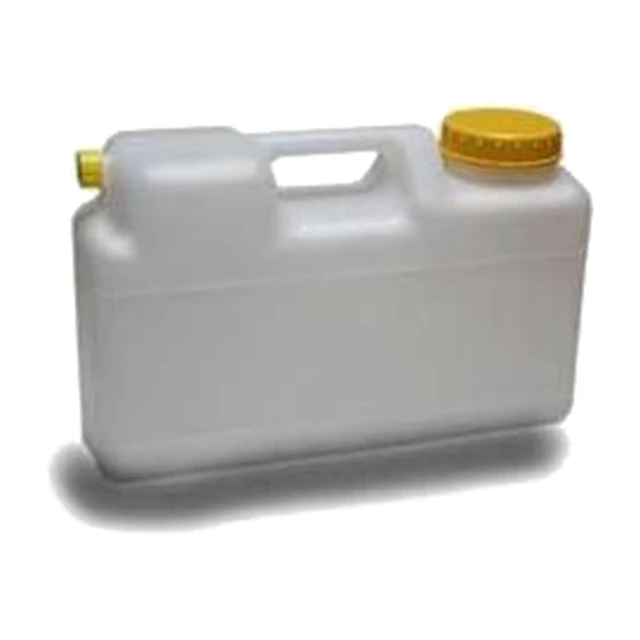
A single-station 5 L line needs a small commissioning set: bands and thermocouples for each die-head zone, a seal set for each blow pin, one neck insert per cavity, hydraulic filters, a few fittings and a proximity switch. This tier covers the failures that stop a new line in its first weeks, not every failure the machine can have.
The wear tier follows maintenance history. If heater bands fail every few weeks, check band quality, temperature control and vibration at the die head; buying more bands only hides the cause. If neck inserts wear quickly, check blow-pin alignment and mold cooling before raising stock. A spare-parts list is a maintenance plan with part names attached, not a shopping list.
Larger containers follow the same logic at a different scale. A 30 L or 50 L machine has a larger clamp, a bigger screw and a hydraulic system that moves more oil, so filters, seals and gauges matter more, and the die head carries more heater zones. The ES-50L's 90 mm screw and 22 kW pump are a different maintenance class from the ES-2LS's 50–55 mm screw and 7.5 kW pump: the families repeat, the sizes and quantities do not.
For wall or parison problems, start withparison curl troubleshooting; for bottle markets seeagrochemical bottle production; and if you are still choosing a material, readPET vs PETG.
What to send for a quotation
- Machine model or series; if undecided, the container size, target output and bottle drawing.
- Cavity count and container drawing, including neck finish, weight and wall requirement.
- Material and layer structure, including any regrind.
- Hydraulic and control configuration, if already chosen.
- Shift pattern and which parts your maintenance team can replace safely.
- Parts you already stock, so the list does not duplicate them.
- Destination port and whether the parts should ship with the machine.
A spare-parts list is judged on the worst day, not on the size of the store. Match it to the model, match it to wear, and agree it at order; then the first breakdown is an inconvenience rather than a delay.
Source: E-SHION product data. Specifications are subject to change without notice; customization is available.
This guide is written for production and procurement decisions. It uses published figures where available and avoids unverified performance claims.