Search for a blow molding machine manufacturer and you get numbered lists: top ten, best five, leading suppliers. Few of them explain what the number measures. Some rank revenue, some rank search traffic, some rank whoever paid for the slot. If you plan to build a shortlist from one of those pages, know what the position beside a company name represents, and bring a scoring sheet of your own.
What a Manufacturer Ranking Actually Measures
Most rankings measure the publisher's data source, not your project. Revenue lists favour large groups, search lists favour whoever markets hardest, and paid placements are advertising. None of them tells you whether a machine's clamp force suits your mold, whether spare parts sit on a shelf, or who answers the phone in year three.
Three sources account for most of the lists you will find, and each supports a different conclusion:
- Revenue and group size. Useful for financial stability, silent on whether the supplier builds the 10 L single-station machine your container needs.
- Search and directory position. Reflects marketing spend and page age more than installed base. Visibility can be bought; a parts shelf cannot.
- Paid or sponsored placement. Advertising with a number attached. A lead source, not a verdict.
- Editorial roundups. Often a blend of the three, with criteria that are rarely published. Ask for the criteria before you trust the order.
None of these tells you which machine to sign for. That gap is what a scorecard fills.
Score Four Things Yourself
Build a one-page sheet before you contact anyone. Score each supplier from 0 to 2 on the four dimensions below and write the evidence beside the score. If the evidence is missing, the score is 0, not 1, and not pending.
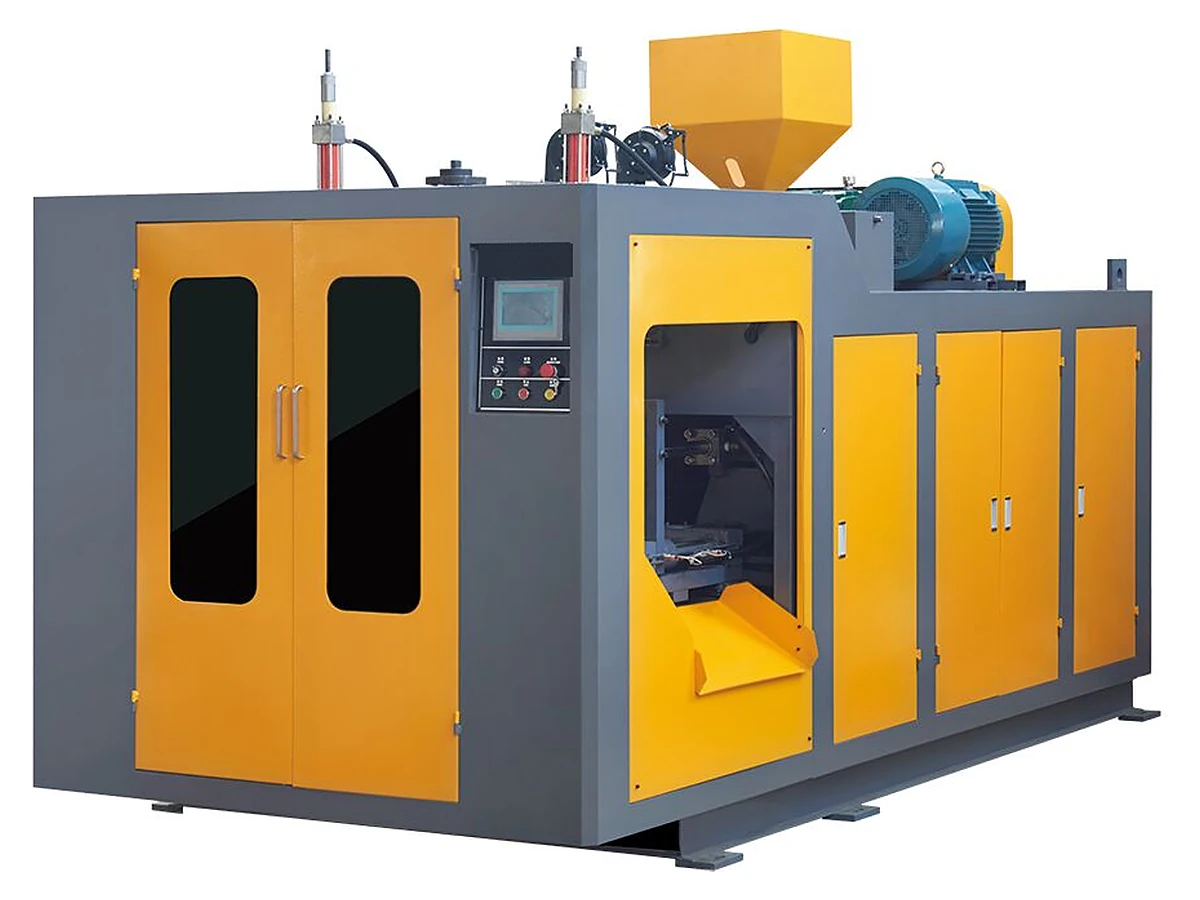
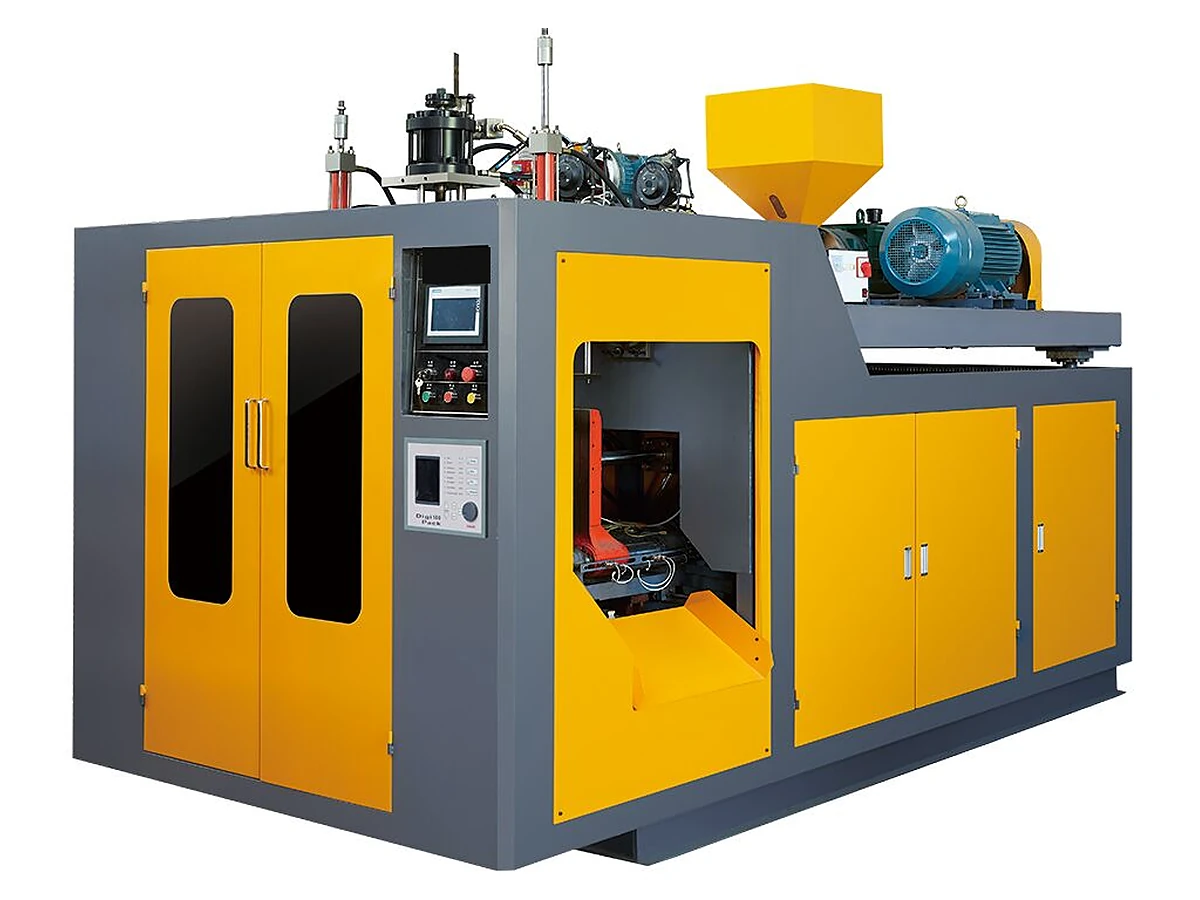
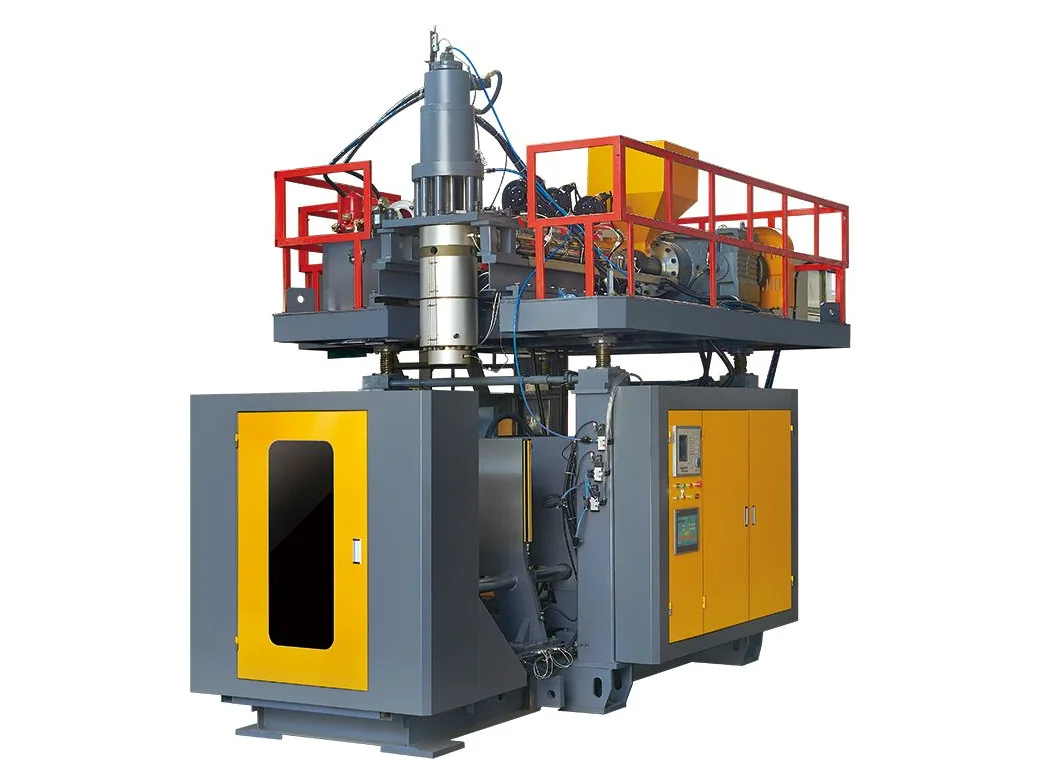
Machine fit is a calculation, not a size class. An ES-10LS carries 110 kN of clamp on a 450 × 480 mm platen; an ES-16LS carries 155 kN; the 30 L ES-30L carries 215 kN. What decides your mold is the clamp force its projection area needs at your blowing pressure, not the volume printed on the container.
| Dimension | Ask this | Evidence that counts | Weak answer |
|---|---|---|---|
| Machine fit | Which model holds my mold, and what clamp force does it need at my blowing pressure? | Model sheet with clamp, platen size and screw diameter matched to a drawing | Container volume repeated back, no mold data |
| Output | How many good parts per hour, at what cavity count and cycle time? | Cavities × good parts × cycles per hour, cycle timed on a similar mold | A round up-to figure with no cavity or cycle |
| Service | Which spare parts are on the shelf, and who answers when a heater band fails? | Parts list with stock status, named contact and a response record | Available on request, through the salesperson |
| Quote clarity | What is excluded: mold, chiller, compressor, freight, installation, training? | Itemised quote with model code, mold spec and clear scope split | One price for the machine, auxiliaries vague |
Swipe the table to see all columns →
What Repeat Orders and Spare-Part Stock Can Prove
A rank is an opinion. A parts shelf is a fact. Three records are worth more than any list position, and all three can be requested before you place an order, ideally before the second call rather than after the deposit:
- Repeat orders. Which customers bought a second or third machine, and in which size class. A supplier that ships mostly 5 L units may still build a good 30 L machine, but the pattern shows where its experience sits.
- Spare-parts stock. The actual list, by model and part number, of what sits on the shelf. Ask for a part that fails often, such as heater bands, blow pins, seals or cutter blades, and check whether it is in stock or on request.
- After-sales response. A log of recent service calls with response time and resolution, redacted where needed. Then the awkward question: what happens on a Friday evening in your start-up month?
E-SHION keeps a spare-parts stock for the models it ships and will show its repeat-order and service records on request, by model and part number. Judge them as you would a competitor's: by date, by model, and by whether they answer a question you actually have. A number from the wrong size class is not your proof.
Traps That Survive a Shortlist
Three patterns are worth checking on every visit:
- Same machine, different badge. Ask for the nameplate photograph and the factory address written into the contract, not the one on the website.
- Borrowed factory. A showroom tour that never reaches the assembly floor. Ask to see machines in build, not only finished units.
- Moving rank positions. A top ten entry that changes every quarter is usually a paid slot. If the publisher has no criteria page, assume advertising.
Where a supplier is based changes what you can verify in person. Our guide toChina blow molding machine manufacturerscovers what a factory visit should settle. If your container is already drawn,send it to usand we will answer with a model, a clamp figure and a parts list.
What to Send for a Quotation
A supplier can only quote against what you give them. Send these six items and the replies become comparable:
- Container drawing or sample: volume, neck finish, maximum diameter, height and weight.
- Material and layer structure: PE, PP, HDPE, HDPP, PETG, or a multi-layer build with EVOH.
- Target output: good parts per hour and the shift pattern you actually run.
- Mold status: an existing mold to be reused, or a new tool with your cavity count.
- Site conditions: available power, compressed air, cooling water and floor space.
- Destination and timeline: nearest port, shipping mode and the date you want production to start.
With those six items, a supplier can name the model, the clamp and screw data, and the split between machine, mold and auxiliaries. That comparison beats any position on a list.
Source: E-SHION product data. Specifications are subject to change without notice; customization is available.
This guide is written for production and procurement decisions. It uses published figures where available and avoids unverified performance claims.