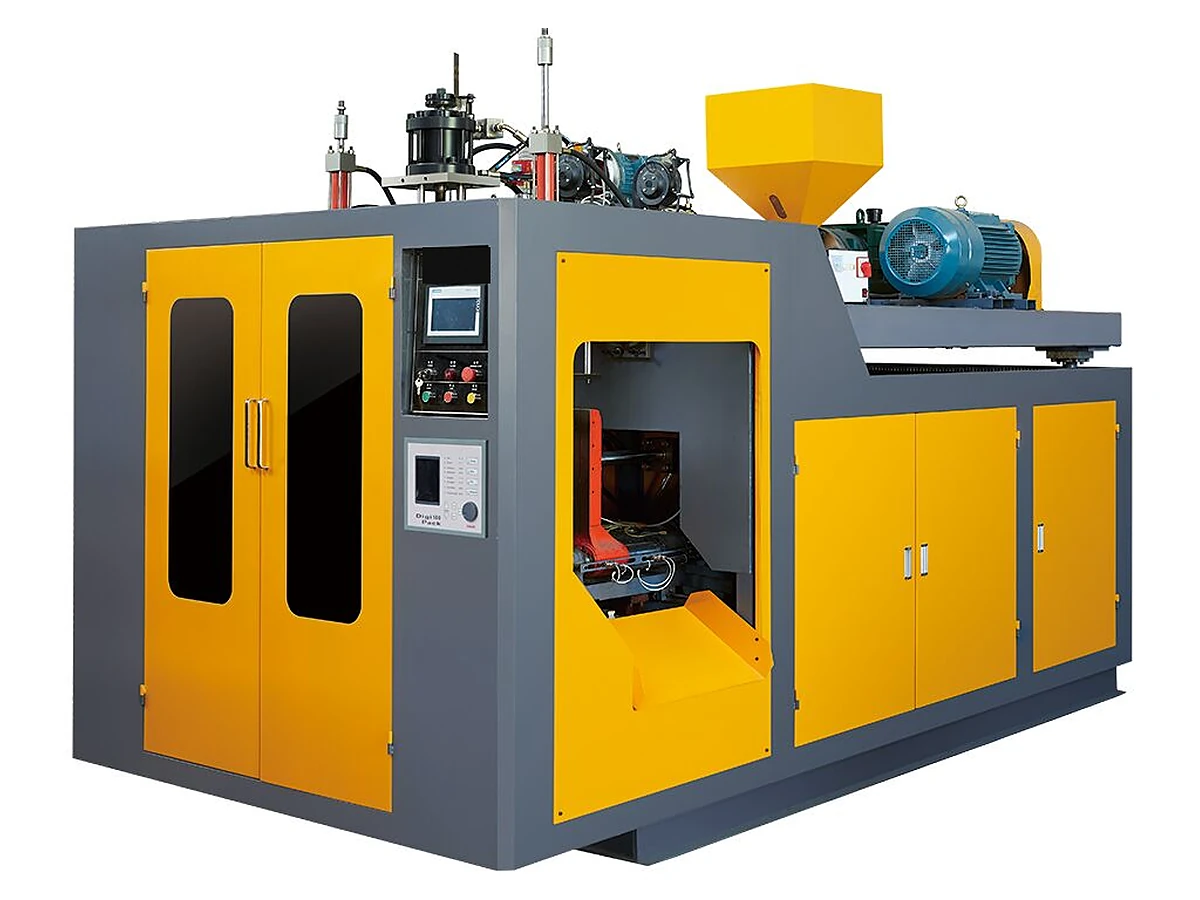
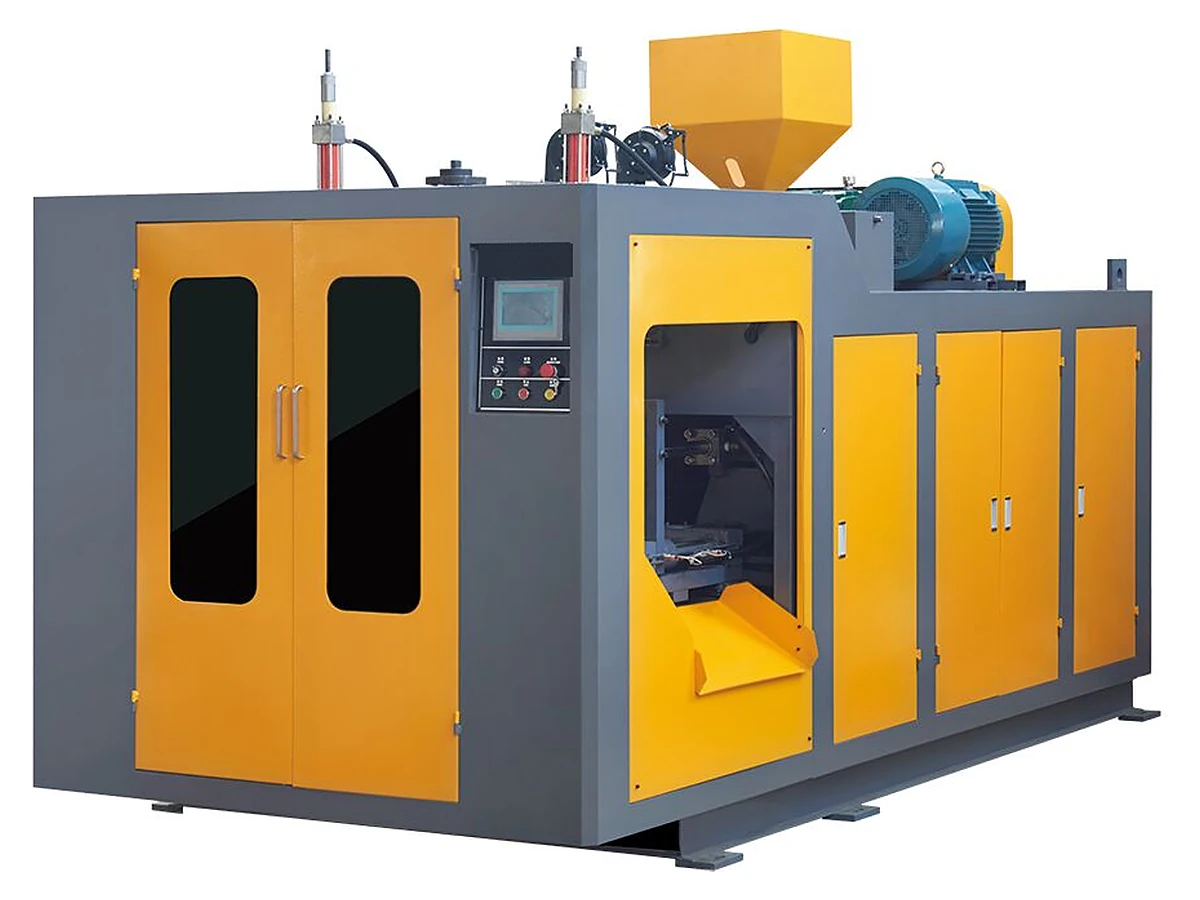
Two suppliers on the same B2B platform can quote the same 10 L blow molding machine at prices that differ by more than a year of electricity, and both listings can carry a verification badge. The badge is the least informative line on the page. What decides whether you get a machine that runs is what happens after you shortlist: the model data you demand, the documents you read, and whether the factory that will build your machine is the one you actually spoke to.
Which B2B platform should you start with?
Start with the platform whose seller mix matches your order size, then move off it fast. Alibaba suits small and mid-size orders with many seller options; Made-in-China suits buyers who want manufacturers rather than trading companies; Global Sources suits buyers comparing a short list of export-oriented factories. Screen on the platform, verify the factory directly.
None of the three is a marketplace you can hand a purchase to. Each is a lead source with its own seller population, badge system and dispute route, and they overlap heavily: the same factory in Taizhou or Ningbo may run storefronts on all three under different trading names. What changes between platforms is not the machine but the density of sellers, the depth of the audit behind the badge, and how much of the quotation is published rather than negotiated in chat.
What each platform is actually good at
The equipment comes from the same industrial clusters on all three platforms; the difference is who is selling it. That single fact should shape how you use each one.
- Alibaba — the widest seller pool and the most noise. Useful when you want many quotes on a standard 1–16 L machine quickly; expect a mix of factories, trading companies and resellers, and filter hard.
- Made-in-China — a smaller, more manufacturer-weighted pool. Listings often publish model code, screw diameter, clamp force and output, which makes a first technical screen faster.
- Global Sources — the smallest pool and the most export-oriented. Better for checking an existing short list of established exporters than for discovering a low price.
- All three — a listing price is an anchor, not an offer. Assume it is the bare machine, ex-works, then ask what was left out.
Reading the listing: price, badge and fine print
A published price describes a configuration, not a class of machine. On Global Sources, a listing we reviewed showed about US$23,600 per system for equipment in this range, while the same platform's category spanned roughly US$23,600 to US$98,000. Read the spread correctly: at the bottom you are usually looking at a single-station machine with a simple mold and no auxiliaries; at the top, a larger double-station unit with multi-cavity tooling. Neither figure includes freight, installation or the mold you actually need.
| Dimension | Alibaba | Made-in-China | Global Sources |
|---|---|---|---|
| Seller mix | Broadest; factories, traders and resellers | Manufacturer-weighted | Export-oriented, smallest pool |
| What the badge proves | A third-party check of the legal entity and premises | An audit report on the supplier's site | A supplier verification, often with an audit report |
| Quote transparency | Price often hidden, chat-first | More specification detail published | Varies from listing to listing |
| Dispute route | Platform payment protection and mediation | Platform complaint channel | Platform complaint channel |
| Best used for | Fast price discovery | Technical shortlisting | Checking an exporter short list |
Swipe the table to see all columns →
From platform chat to a verified factory
The screen that works is technical, not commercial. Pick any 10 L single-station offer and ask for the model code, clamp force, platen size, screw diameter, output and installed power. A seller who cannot answer in numbers is either a trader reading a specification sheet or a factory that will quote you a different machine later. For reference, a 10 L single-station machine in our range, the ES-10LS, is built with 110 kN clamp force, 450 × 480 mm platens, a 70–75 mm screw and 80–100 kg/h output. If a 10 L offer comes back with a 60 mm screw and a 320 × 380 mm platen, you are being shown a 5 L machine's frame.
Before you shortlist, compare thesingle-station 0–16 L rangewith thedouble-station version, and readhow to check a Chinese manufacturerbefore any deposit.
The second half of the check happens off-platform. Ask for the company name on the business licence, the factory address, and a continuous video that walks from the extruder to the clamp and on to the take-off station. Then match three things: the licence address against the address in the video, the nameplate model against the quoted model, and the account name on the proforma invoice against the licence. This step removes most of the risk a platform cannot remove for you.
What to send for a quotation
A quotation is only comparable if every seller answers the same questions. Send this list in one message, in writing, and keep the replies side by side.
- Container drawing or sample: volume, neck finish, maximum diameter, height and weight.
- Resin and layer structure: HDPE, PP or a multi-layer requirement, with any regrind share.
- Target output in pieces per hour, and the shift pattern you will run.
- The cavity count you want to start with, and any mold you already own.
- Destination port, voltage, and whether you need installation support.
Ask every seller to quote against the same list and to state what is excluded: mold, compressor, chiller, grinder, conveyor, freight, installation. The platform decides who you meet; the list decides whether the quotes can be compared.
Source: E-SHION product data. Specifications are subject to change without notice; customization is available.
This guide is written for production and procurement decisions. It uses published figures where available and avoids unverified performance claims.