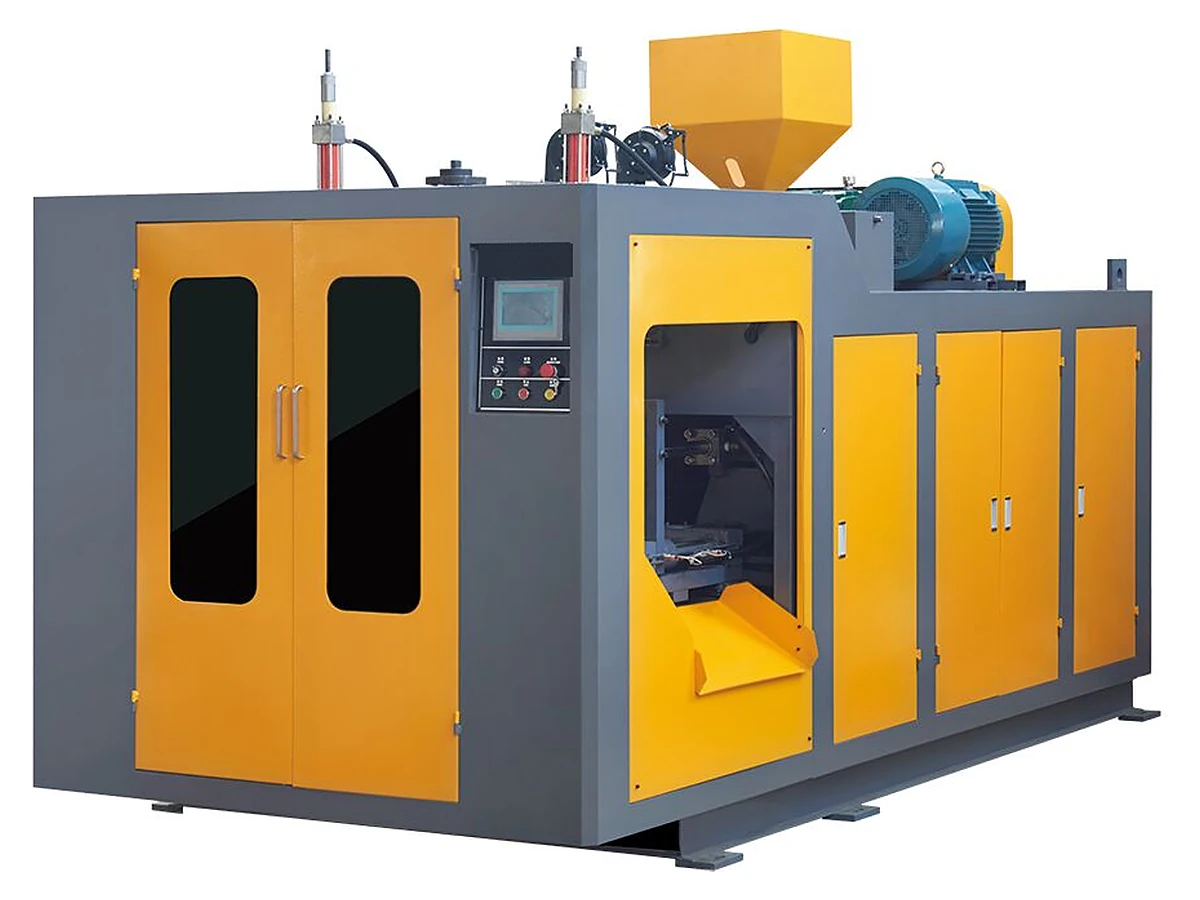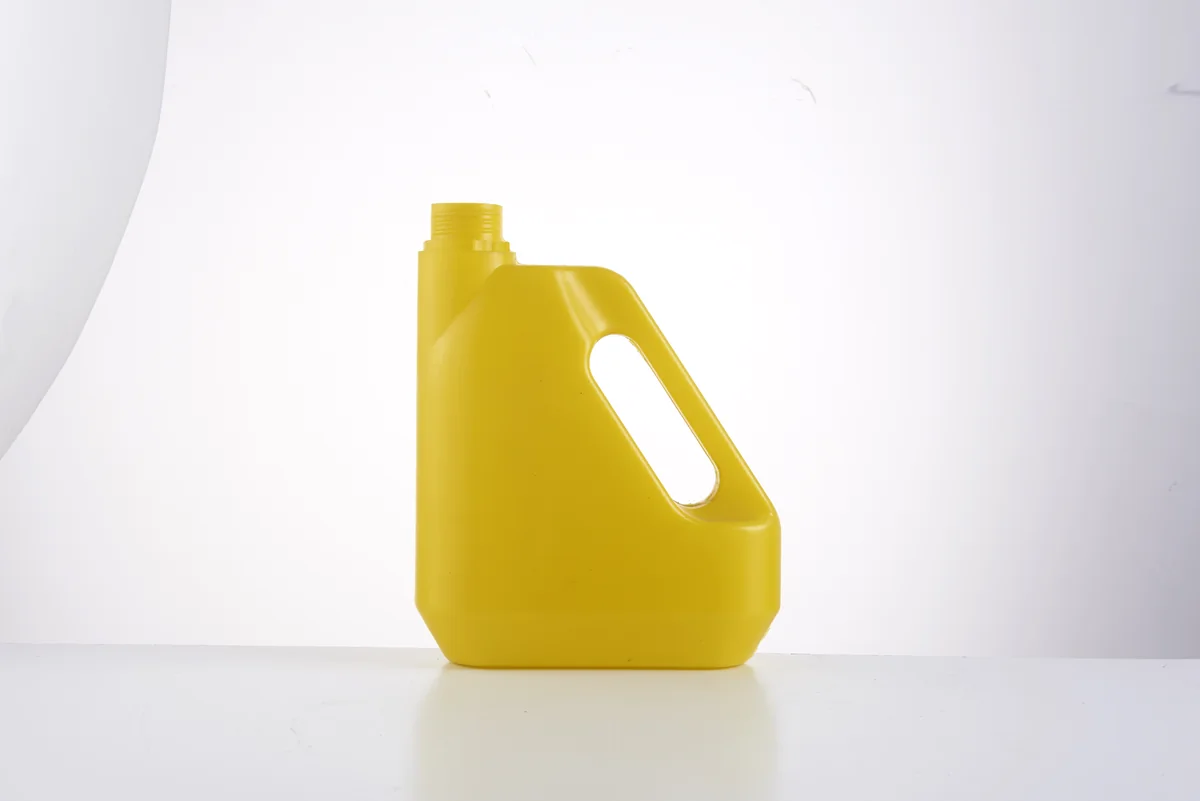
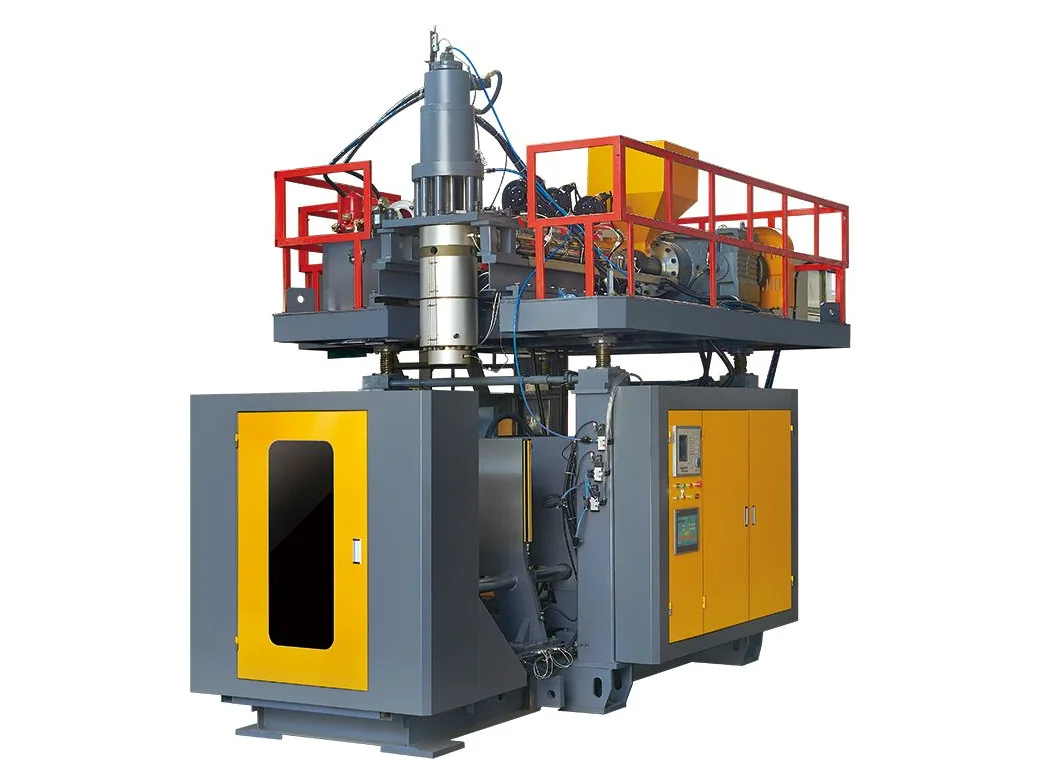
A 50 litre drum blow molding machine can be quoted at two very different numbers for what looks like the same job. The gap is rarely the brand. It is the clamp, the screw, the cavity layout, the mold, the auxiliaries and the shipping weight, and those are the parts of an offer a buyer can actually check. This guide opens a 50L quotation line by line, using the ES-50L as the reference machine, and ends with the list that makes two offers comparable.
What does a 50L blow molding machine cost?
Expect roughly USD 60,000–120,000 for a 30–50 L extrusion blow molding machine on the market, before mold, auxiliaries and freight. That band is a market frame, not an E-SHION list price. The final figure depends on model, mold, cavity layout, material, drive and control package, and destination.
That band covers the machine only. A 50 L project usually adds a mold, a chiller, a compressor, a grinder and freight, and together those items can carry a large share of the budget. The machine anchors the budget; it is not the budget.
The ES-50L: what the numbers buy
The ES-50L is the upper model of the 20–50 L single-station platform. Published values: 260 kN clamping force, 880 × 780 mm platen, 400–1000 mm stroke, 90 mm screw, 110–160 kg/h output, 105–120 kW installed power with 35–50 kW in normal running, 13 t machine weight, and a 5 × 2.7 × 3.5 m outline. Those numbers, not the litre label, decide what the machine can hold, what has to be installed around it, and how it travels.
Clamping force is matched to the mold, not to the container volume. A tall 50 L drum and a flat 50 L container can present very different projection areas to the same platen, and blowing pressure turns that area into separating force. Before comparing prices, have the clamp checked against your drawing.
Weight and outline are cost lines too. At 13 t and 5 × 2.7 × 3.5 m, the ES-50L sets the container plan, the lifting capacity needed at both ends, and the work of getting it onto the plant floor. A quote that leaves those lines out is not cheaper, only shorter.
Six cost lines behind one 50L quotation
A 50L offer is rarely one number. It is six decisions stacked together, and each one moves the total. The table lists them in the order buyers usually negotiate.
| Cost line | What drives it | Market reference |
|---|---|---|
| Machine platform: clamp, platen, stroke | Container size, mold projection area, blowing pressure | Inside the 30–50 L band, USD 60,000–120,000 |
| Extruder and screw | Output target, material, layer structure | Included in the machine; a larger screw moves the price up |
| Blow mold | Cavity count, container size, neck and handle detail | USD 15,000–35,000 for larger multi-cavity tools; USD 2,000–5,000 for a simple 2-cavity bottle mold |
| Auxiliaries | Compressor, chiller, grinder, conveyor | Quoted separately; can be a meaningful share of the project |
| Drive and control | Hydraulic or servo, control package, parison programmer | Quoted as options; confirm what is in the scope |
| Freight, lifting, installation | 13 t weight, 5 × 2.7 × 3.5 m outline, destination | Quoted per project |
Swipe the table to see all columns →
Mold lead time commonly runs 20–60 days after drawing approval, with larger multi-cavity tools at the long end. That schedule, more often than the machine, sets the start-up date, so ask for it in writing with the quotation.
Why two offers at the same price are not the same machine
Take two offers that land on the same headline figure. The difference is usually in the scope, and it tends to show up in four places: a single cavity where the output target needs two, a screw that caps output below the target, a chiller or compressor left out of the offer, or a control package that cannot store and run a parison profile.
Output is the fastest way to test an offer. Output equals cavities × good parts per cavity per cycle × cycles per hour, and cycles per hour is 3600 divided by measured cycle time. Ask each supplier for the cycle time used and whether it was measured on a comparable container; a figure without that basis cannot be compared.
Wall thickness, cycle time and mold cost are usually settled together on a project this size. The20–50 L container production guidewalks through that sequence, and the20–50 L single-station rangelists the models with their clamp, platen and output values.
What to send for a quotation
Six items make the difference between a price and a comparable price. Send them together and the reply can be checked against any other offer.
- Container drawing or sample: volume, neck, handle, wall-thickness target, and the projection area if you have it.
- Cavity count and target output per hour, plus the shift pattern the line will run.
- Material and layer structure, such as HDPE, PP or a multi-layer build with EVOH and regrind; available configurations are confirmed per project.
- Packed weight and outline: 13 t and 5 × 2.7 × 3.5 m for the ES-50L, so crane capacity and container type can be checked.
- Destination port and site power: voltage, frequency and the installed capacity of 105–120 kW.
- Whether auxiliaries and installation are in scope: compressor, chiller, grinder and commissioning support.
A quotation built this way can be compared item by item, which is worth more than a low number that arrives without a scope. E-SHION MACHINERY is in Taizhou, Zhejiang, and quotes the 20–50 L range from the same checklist.
Send the list through thecontact page, or by WhatsApp or email, and the reply will follow the same six lines.
Source: E-SHION product data. Specifications are subject to change without notice; customization is available.
This guide is written for production and procurement decisions. It uses published figures where available and avoids unverified performance claims.