
A chemical drum is not a bottle with a handle. The mold has to hold a heavy parison, clamp a large projection area, and produce a wall section that survives stacking, transport and, for UN 1H1 drums, the tests the buyer's market requires. That is why two quotes for a 20 L drum mold can differ by a factor of two — and why the cheapest line is rarely the one that passes the first trial.
Short answer: a standard 20–30 L chemical drum mold is usually quoted from roughly USD 15,000–35,000 for a larger multi-cavity tool, and a UN 1H1 mold sits at the top of that band. The difference is not one item. It is marking, wall-thickness control, insert quality and the trial and inspection work that goes with them. Treat any figure as a market range and confirm it against your drawing.
What actually drives a drum mold price
A mold quotation is a list of decisions, not a single number. Before comparing two suppliers, ask them to break the price into the same four groups.
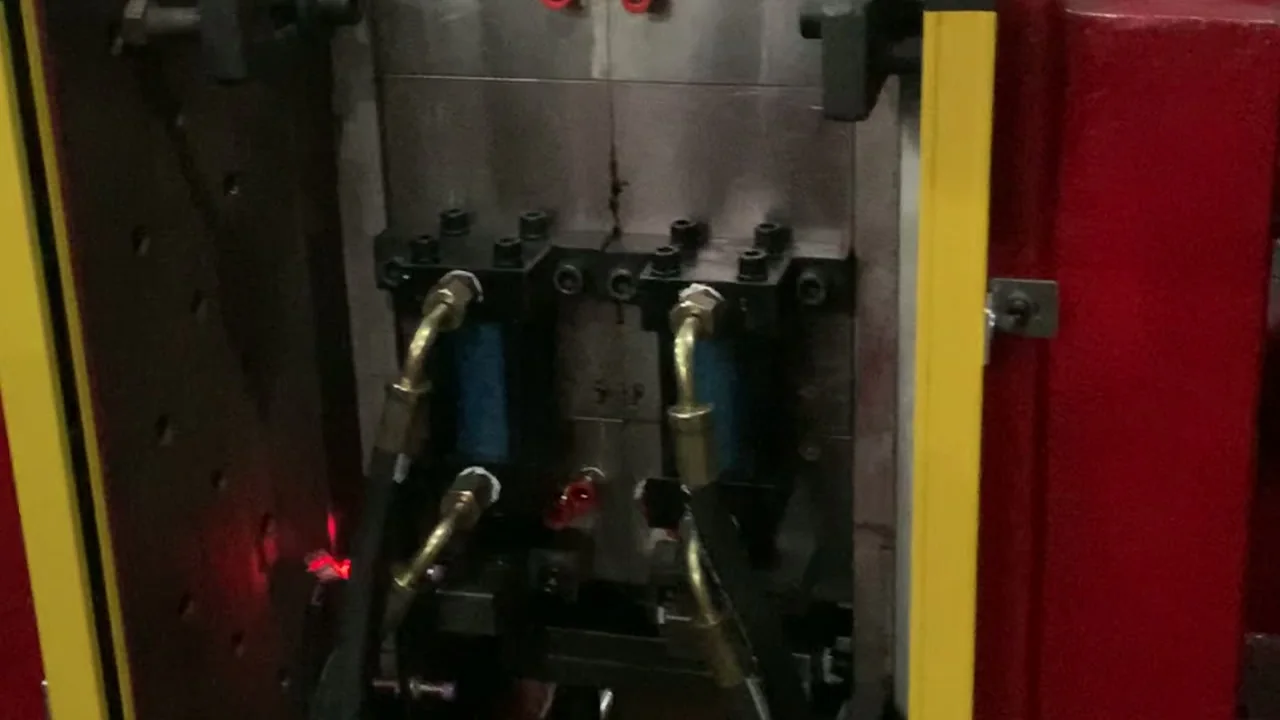
- Steel and cavity layout: the block size, steel grade and number of cavities set the starting cost. A 2-cavity 20 L tool and a 4-cavity tool are different projects, not different options.
- Inserts and details: neck, handle, thread, marking and venting inserts are machined separately. Each one adds design, machining and fitting time.
- Cooling and surface: cooling channels, surface finish and the pinch-off design affect cycle and wall quality; complex cooling costs more to make.
- Trial and correction: a first trial, wall-thickness measurement and the corrections that follow are part of the mold, not a free extra.
UN 1H1 and a standard drum: where the mold differs
Both drums may look the same on the outside. The mold work is not the same. UN 1H1 marking and the documentation behind it are handled by the drum maker and the test body; the mold's job is to give a repeatable part that can meet those requirements.
| Item | Standard drum mold | UN 1H1 drum mold |
|---|---|---|
| Marking | Logo or volume only | UN code, manufacturer and year marking inserts; layout agreed with buyer |
| Wall control | Commercial wall, checked by weight | Tighter thickness control, measured at defined points |
| Neck and thread | Standard insert | Insert checked against closure and gasket; records kept |
| Documentation | Drawing and material sheet | Drawing, material, insert and trial records for the buyer's approval file |
| Trial | One trial run and sample | Trial plus measured samples for the buyer's own test programme |
Swipe the table to see all columns →
How to read the quote line by line
Ask for the mold quote in the same structure as the machine quote, so the comparison is real. A useful quote separates mold base and cavities, inserts, cooling, trial, packing and freight. If two lines are merged into one mold price, you cannot tell whether the difference is steel, cavities or service.
What to send for a quotation
The more of this you send, the fewer assumptions sit in the price.
- Product drawing (2D with tolerances, 3D if available), including neck, thread, handle and base.
- Volume, weight and material grade, plus any recycled-content target.
- Cavity count and target output per hour, with the shift pattern.
- Whether the drum must carry UN 1H1 marking, and which test report the buyer needs.
- Wall-thickness points and the inspection standard you will use.
- Machine model under consideration, or let us propose one from the 20–50 L range.
- Destination, packing and delivery terms.
- Samples or photos of the drum you use today.
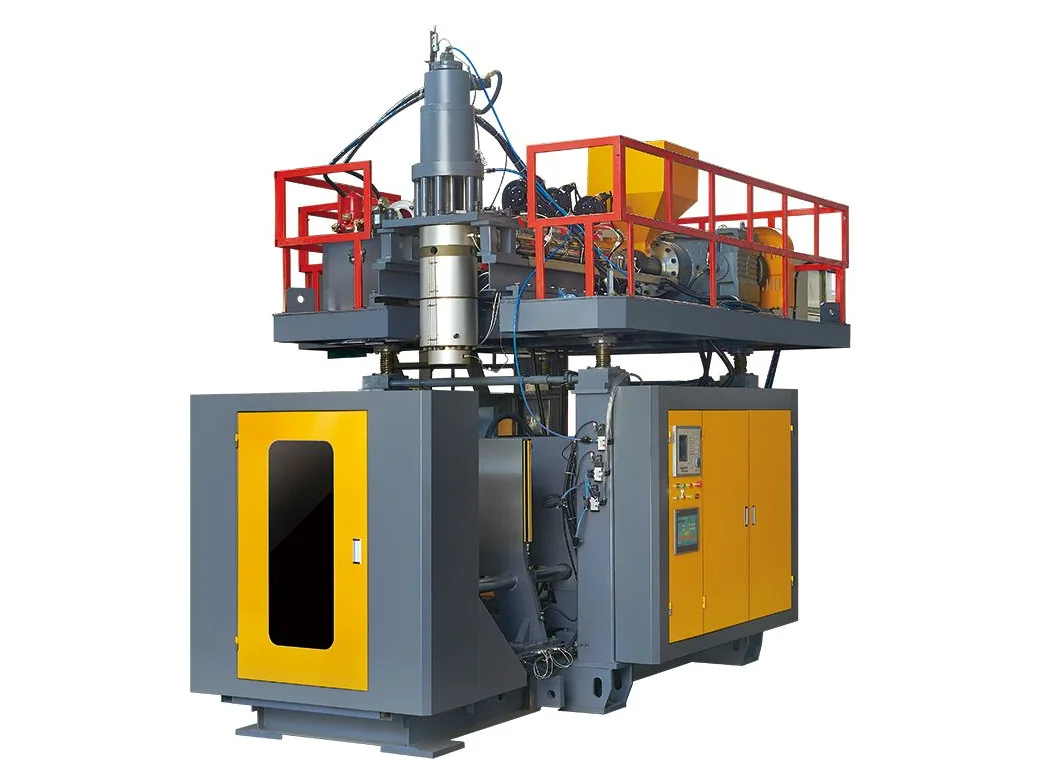
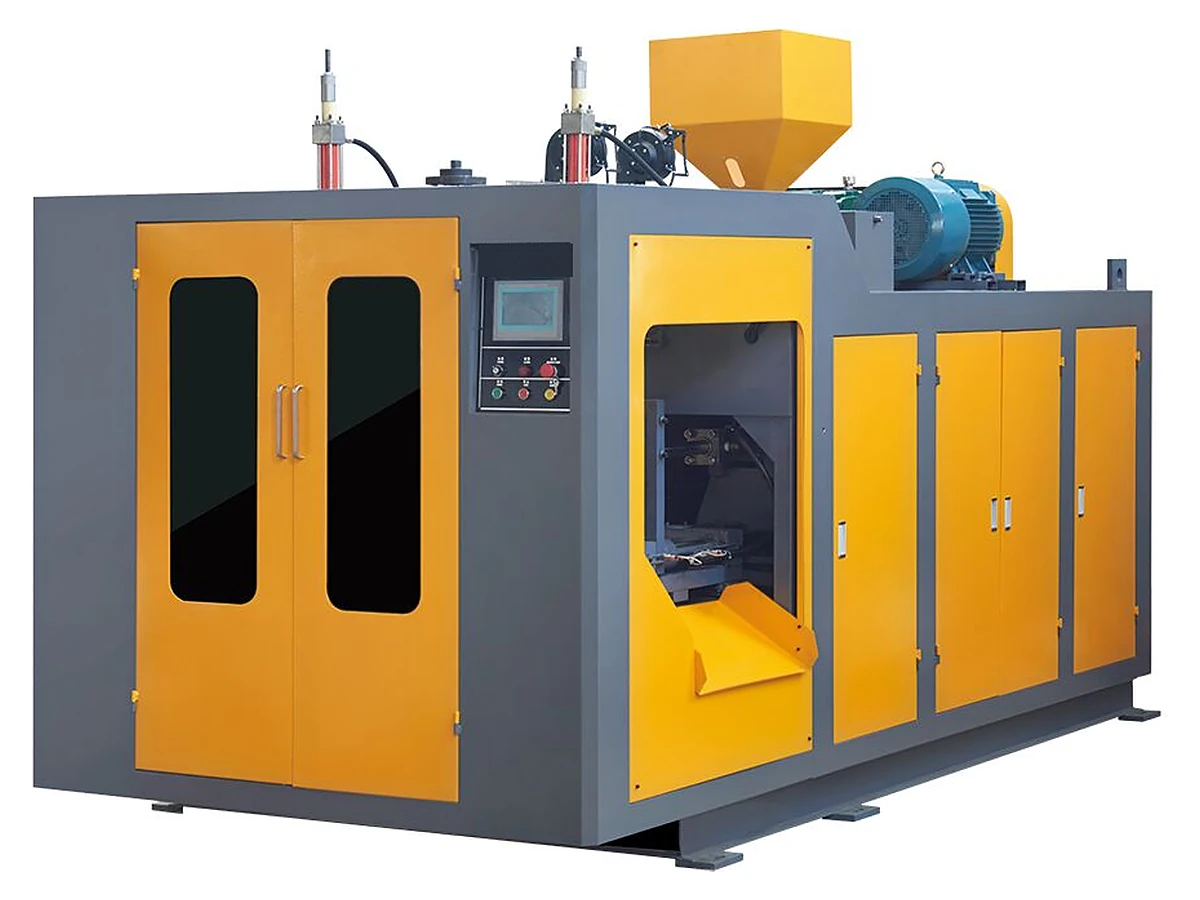
For the machine side, compare the20–50 L single-station range, and for smaller drums the0–16 L single-station range.
A drum mold is a tooling decision with a long tail: the price you pay once, and the wall, weight and scrap you live with every shift. Compare quotes on the same drawing, the same cavity plan and the same trial scope, and the difference becomes a number you can defend.
Source: E-SHION product data. Specifications are subject to change without notice; customization is available.
This guide is written for production and procurement decisions. It uses published figures where available and avoids unverified performance claims.