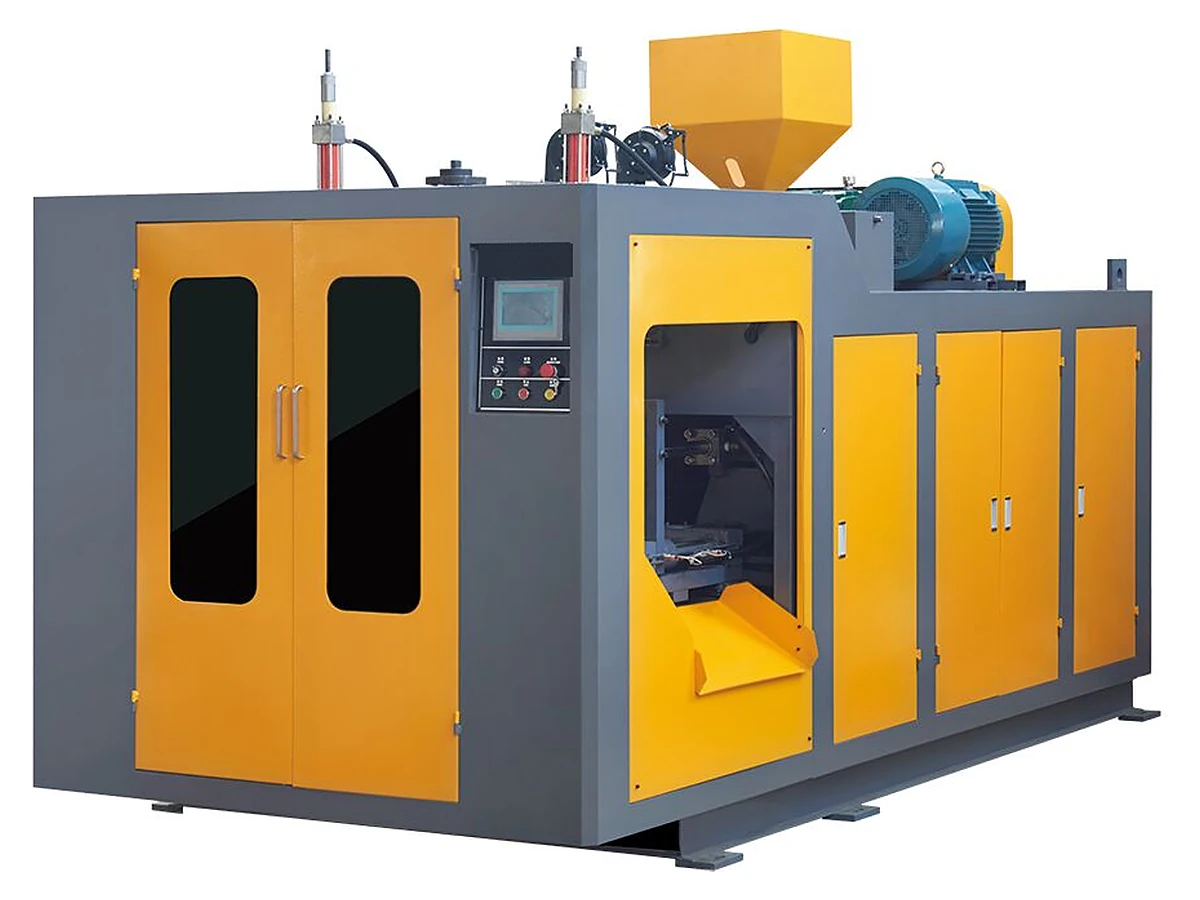
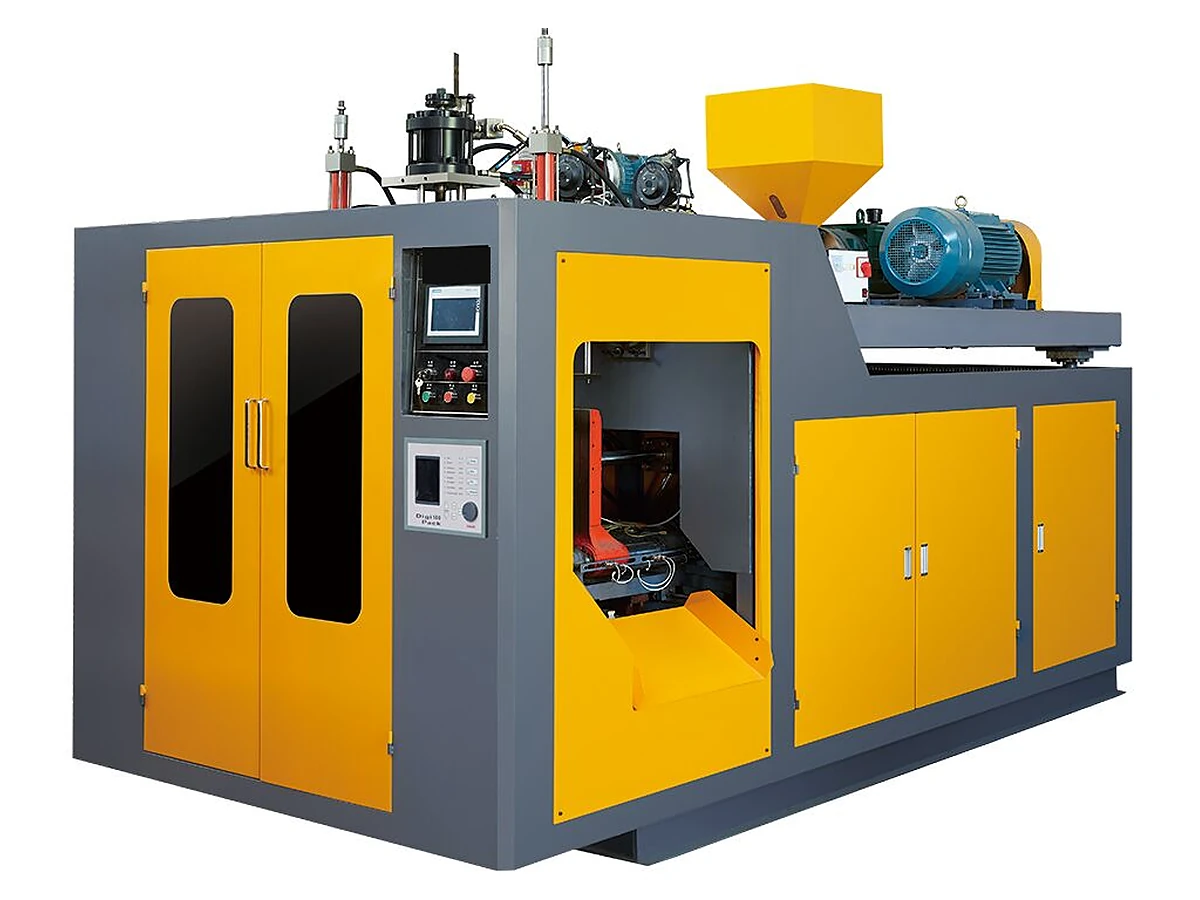
A machine built for 380 V and 50 Hz does not simply run slower when it is connected to a 440 V, 60 Hz supply. The heaters overheat, the contactors chatter, the drive trips, and the first production shift becomes a service call from another continent. Voltage, frequency, control voltage and plug standard are the cheapest lines on the order and the most expensive ones to correct after the container has sailed.
What voltage and frequency should you specify?
Put the plant's measured three-phase voltage and frequency, the control-circuit voltage, and the plug or terminal standard on the order, in writing. In practice that means one of 380, 400, 415, 440, 460 or 480 V at 50 or 60 Hz, with a low-voltage control circuit.
The machine is designed around that number, not adjusted to it afterwards. Winding taps, heater resistance, transformer ratios, breaker ratings and the panel layout all follow the supply you name, and a later change is not a settings change, it is a rebuild of the electrical cabinet. Buyers who treat voltage as a detail to confirm at installation usually confirm it when the machine is already on the floor.
What changes when the supply changes
Several subsystems move together with the voltage, and each one has its own failure mode if it is mismatched. The list below also works as a checklist for reviewing a supplier's electrical offer sheet line by line.
- Motor windings and terminal links: a dual-voltage motor must be linked for the supply it will see, and a single-voltage winding cannot be re-linked at all.
- Heater bands and nozzle heaters: elements are wound for a voltage, and a 380 V heater on a 440 V supply runs well over its rating and fails early.
- Control transformer: it steps the incoming supply down to the panel voltage, and its primary taps must match the site.
- Breakers, contactors and cable: sized on the current at your voltage, not on the current at the factory test voltage.
- Plug and wiring standard: plug type, conductor count, earthing arrangement and cable entry are site decisions, not machine decisions.
- Frequency: 60 Hz changes motor and pump speed, so the machine must be built and set for the frequency it will actually run at.
Frequency is often treated as a rounding error because many motor nameplates carry a 50/60 Hz rating. The motor may tolerate both; the machine around it does not automatically. Pump and fan output, heater duty and the set points in the panel are built around one frequency, so a 60 Hz site needs a 60 Hz build even when the voltage looks right.
Voltage and frequency by destination
Use the table as a starting question, not as an answer. Several voltages coexist inside one country, and the only reliable reading is the one taken at the installation point.
| Destination (typical) | Three-phase voltage | Frequency | Confirm before ordering |
|---|---|---|---|
| China, general export build | 380 V | 50 Hz | Control voltage and panel label language |
| Europe | 400 V / 415 V | 50 Hz | Voltage at the site transformer, not the national nominal value |
| India, South Asia, Gulf | 415 V | 50 Hz | Whether a neutral is available for the control circuit |
| North America | 440 V / 460 V / 480 V | 60 Hz | Measured voltage at the MCC and a 60 Hz motor set |
| Brazil, parts of South America | 380 V / 440 V | 60 Hz | Voltage and frequency together, plus the local plug standard |
| Africa and Middle East industrial sites | 400 V / 415 V / 440 V | 50 or 60 Hz | Both values, confirmed in writing by the plant electrician |
Swipe the table to see all columns →
The plug is the smallest item on the list and the one that stops commissioning. A machine wired for a terminal block arrives without a plug; a machine fitted with a local plug may arrive with one that does not match the socket in the plant. Decide at the order stage whether the machine ends in a plug, a terminal block or a gland, which side the cable enters, and who supplies the cable between the machine and the site panel.
Current at 380 V and 480 V: a 100 kW example
Installed power tells you what the machine can draw; current tells you what the supply, cable and breaker must carry. The two are linked by voltage, and the difference is large enough to change the cable you buy. As an estimate, a 100 kW load draws roughly 160 A at 380 V and roughly 127 A at 480 V, before any derating.
Across the range, installed power runs from 24 kW to 120 kW. The ES-30L is listed at 100–110 kW and the ES-50L at 105–120 kW, so a 30 L or 50 L project can sit at the top of that band. Size the site supply, the incoming cable, the main breaker and any transformer on the nameplate figure plus derating for ambient temperature and enclosure, and have the local electrician confirm the result against the code that applies on site.
Ask for the electrical schematic and the nameplate data with the order confirmation, and check both against the site reading before the machine is packed. Correcting a drawing costs nothing; correcting a finished cabinet costs a rebuild and a delay.
What to send for a quotation
Send the electrical data together with the container data. A quotation that names a model but not a voltage is only half a quotation, and the price can move once the panel, heaters and motor set are specified for a different supply.
- Measured three-phase voltage and frequency at the installation point, with a photo of the MCC or an existing machine nameplate.
- Control-circuit voltage and any plant standard, and whether a neutral is available.
- Plug or terminal standard, cable entry side, and the distance to the site panel.
- Destination country and port, plus the ambient temperature range in the workshop.
- Container size, material, layer structure and target output per hour, so the model and its installed power are sized together.
- Any local electrical code or third-party inspection the panel must satisfy.
Installed power for each model is listed on thesingle-station 0–16 L seriesand thedouble-station 0–16 L seriespages; theRFQ checklistcovers the rest of the order data, andmaximum container sizeexplains how the container decides the model.
Source: E-SHION product data. Specifications are subject to change without notice; customization is available.
This guide is written for production and procurement decisions. It uses published figures where available and avoids unverified performance claims.