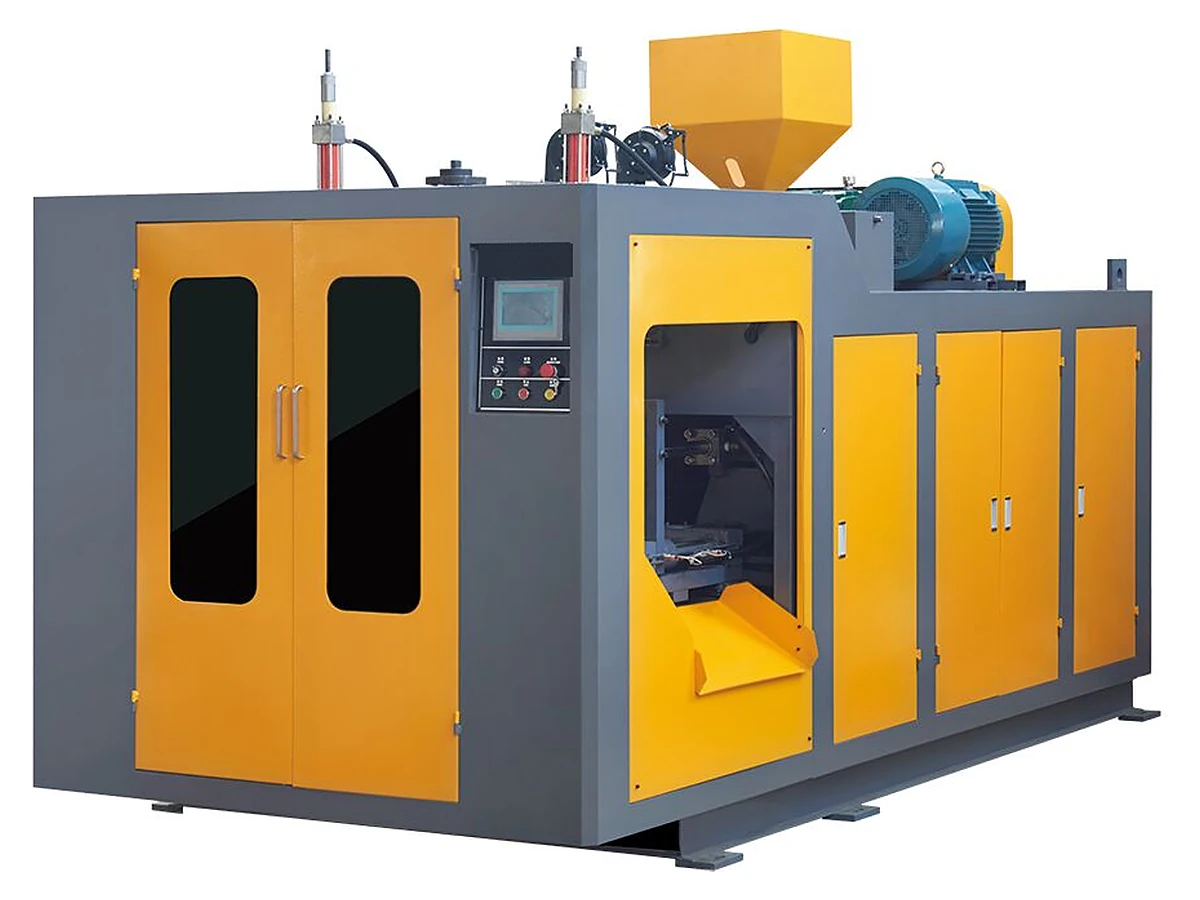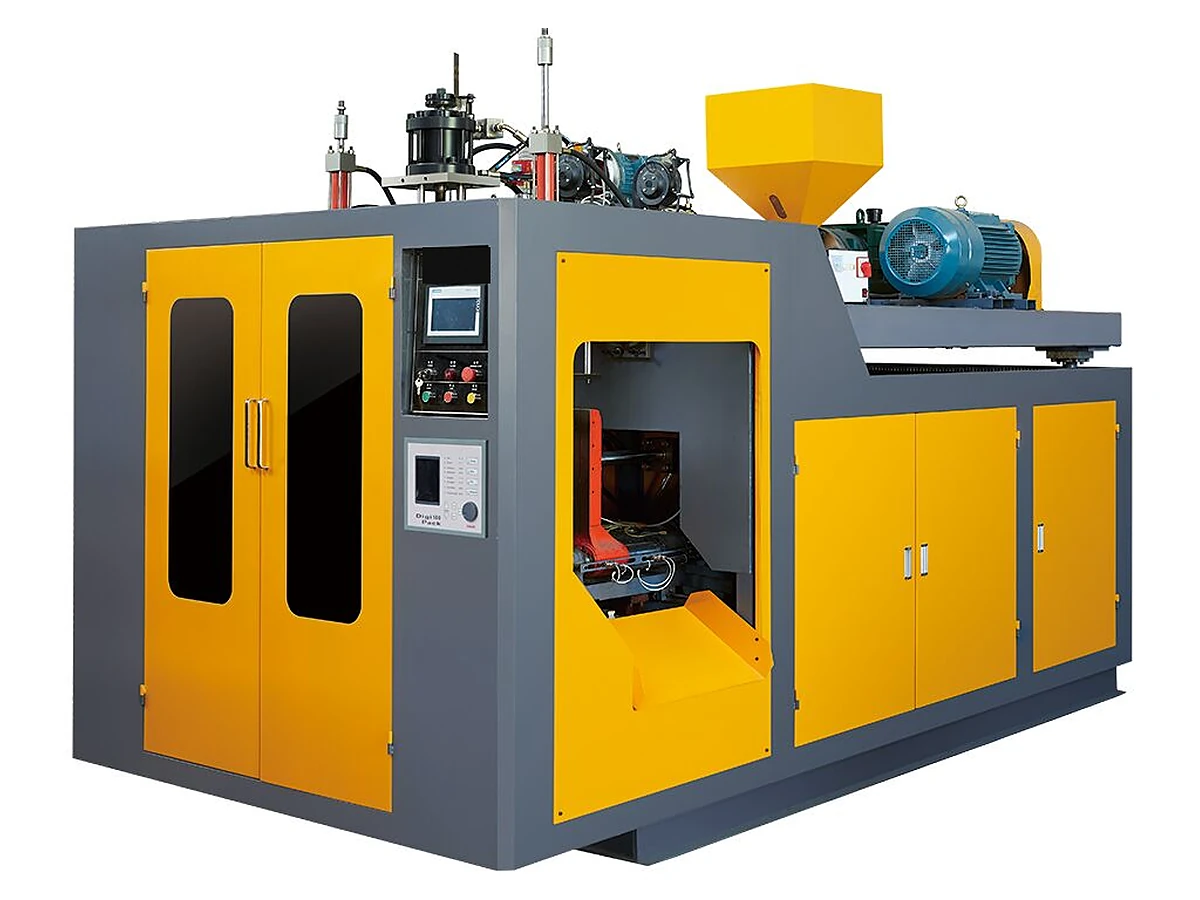
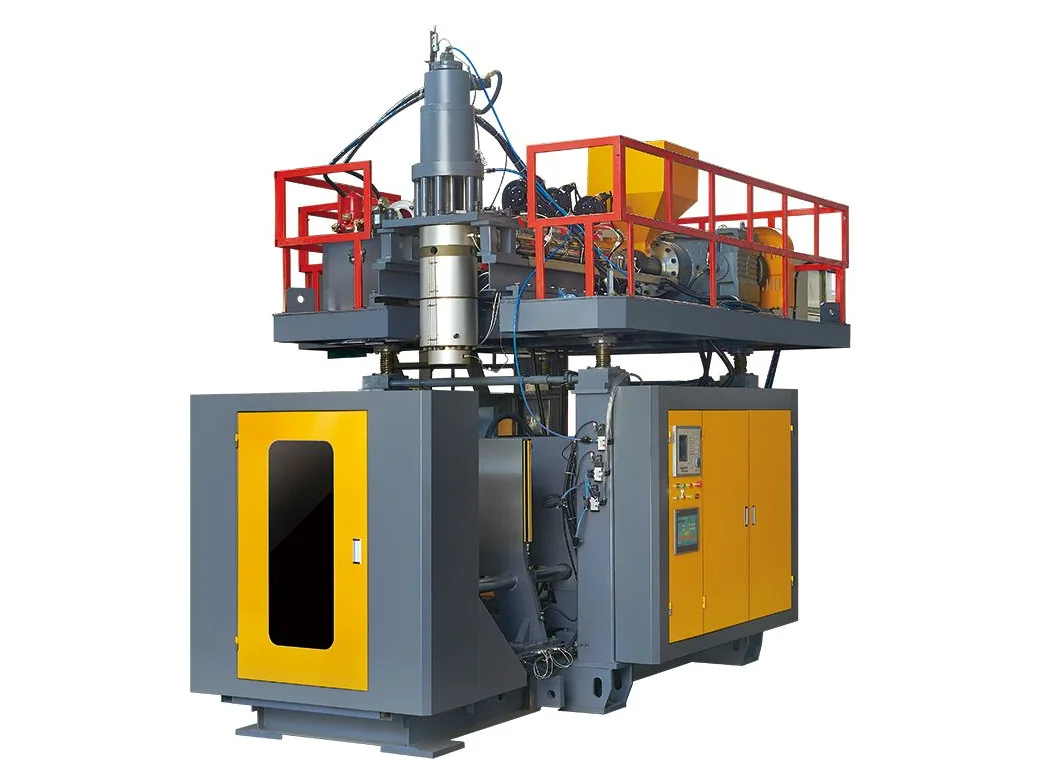
Two buyers can order the same 10 L blow molding machine in the same week and carry very different risk, because the money moves at different moments. One sends a deposit, waits, and pays the balance before the machine has run a single bottle. The other ties each payment to a document, a drawing approval or a factory test. The machine price is visible on the quotation. The payment schedule is where the risk actually sits, and it is usually the part buyers read last.
What payment terms should you expect when buying from China?
Most orders follow a deposit-with-order, balance-before-shipment pattern. A 30/70 split is common market practice, and larger orders often move to an irrevocable L/C at sight. Treat those as market context, not a rule: the schedule that binds you is the one written into the quotation and the contract.
The logic is simple: money follows progress. What changes between suppliers is how precisely progress is defined. A proforma invoice that says 30% deposit, 70% before shipment tells you the split but not what the 70% buys, when it falls due, or what happens if the machine fails its test. Those three questions are worth asking before you compare prices.
- Deposit with the order: usually releases order entry, material booking and the production slot.
- Mold payment: a separate line when the mold is quoted on its own.
- Balance: before shipment, or against a copy of the bill of lading.
- Installation and commissioning: a separate milestone when it is in scope.
The milestones, and what each payment should release
The table below is a framework, not an E-SHION price list. Use it to read any quotation, including ours: for every payment, find the event that triggers it and the document you receive when you pay. If a line has no trigger, that is the line to negotiate.
| Milestone | Trigger | What it should release |
|---|---|---|
| Deposit at order | Signed contract and proforma invoice | Order entry, material booking and the production slot |
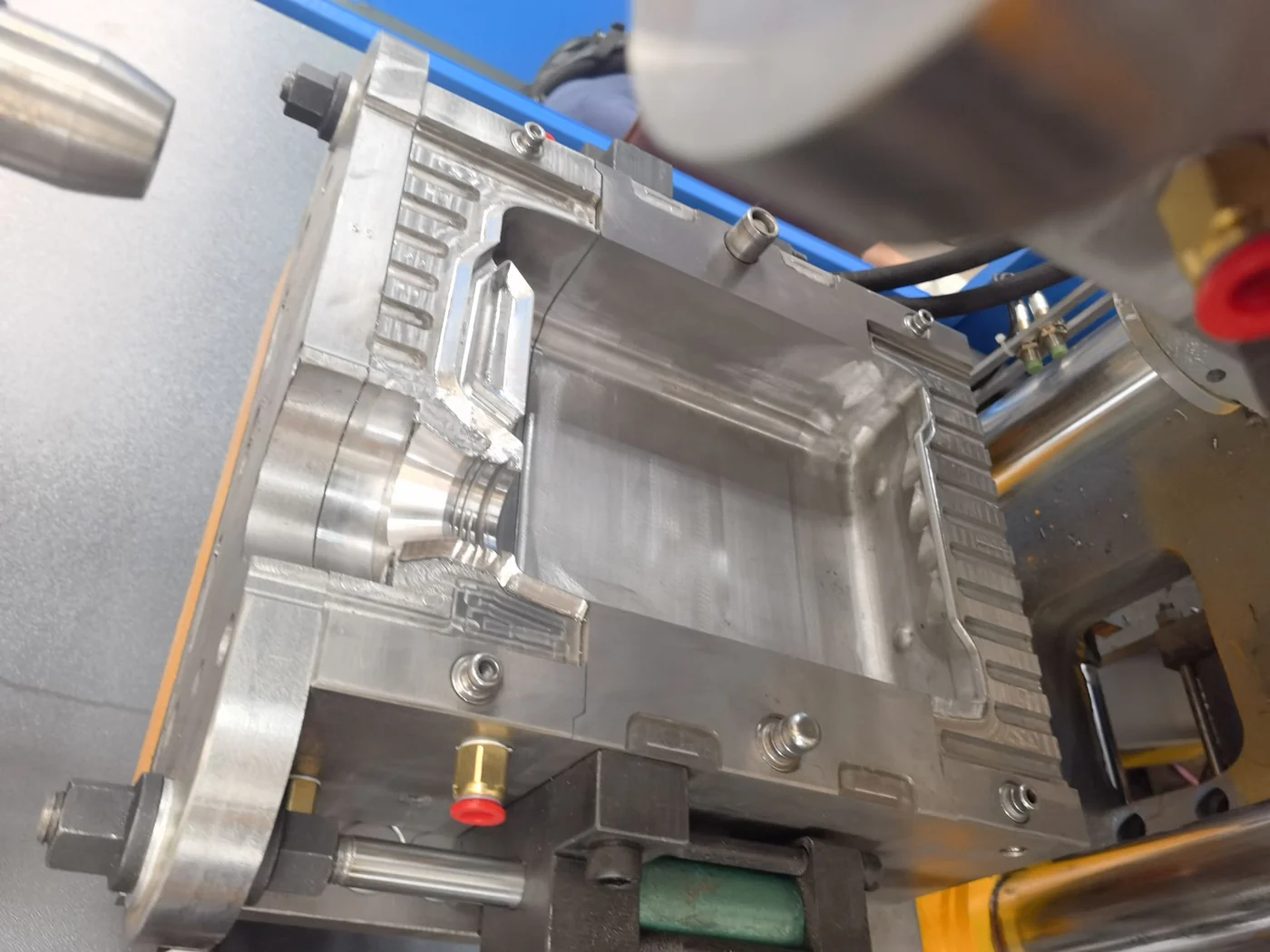
| Mold drawing approval | Your written sign-off on the mold drawing | Mold steel cutting and machining |
| FAT (factory acceptance test) | Machine runs your mold or an agreed test mold | Test record, photos or video, and a written punch list |
| Balance | Before shipment, or against a copy of the bill of lading | Original shipping documents or telex release |
| Mold and auxiliaries, when quoted separately | Their own line items with their own triggers | Mold trial record, packing list and auxiliary specifications |
| Installation and commissioning, when in scope | Machine arrival and mechanical completion | Commissioning sign-off against agreed settings |
Swipe the table to see all columns →
Note what the table does not contain: percentages. The split matters less than the trigger. A 30/70 schedule tied to a factory test and a bill of lading is safer than a 20/80 schedule tied to a calendar date, because the first pays for a result and the second pays for a promise.
Tie the balance to an event you can verify
Two triggers are common for the balance: FAT sign-off, or a copy of the bill of lading. They protect different things. FAT sign-off protects the machine: you have seen it run, the cycle and the bottle have been checked, and the punch list is closed or scheduled. A bill of lading protects the shipment: the goods exist, they are on a vessel, and the document set matches the contract. On a first order, buyers often ask for both, with the test before the balance and the shipping documents against it.
A worked comparison makes the difference concrete. Supplier A quotes a lower machine price, 30% at order and 70% before shipment, with no test defined. Supplier B quotes a little more, with 30% at order, a mold drawing approval, a FAT on your mold, and the balance against a copy of the bill of lading. If the machine arrives and the neck is oval or the wall thickness drifts, Supplier A already holds all of the money. Supplier B still holds the balance, and the FAT record is the baseline for the fix. The second schedule can be worth more than the price gap.
The schedule is attached to a specific machine and mold, so start from the series you need:single-station 0-16 Lordouble-station 0-16 L. If the molding route itself is still open, readblow mold vs injection moldbefore the quotation, and send your questions through thecontact page.
Clauses that decide the real cost of the terms
The percentage on the proforma invoice is only one line. Five other clauses change what the terms cost you, and they are usually negotiable before the order is placed, not after.
- Currency: which currency settles the order, and who carries conversion and remittance cost.
- Incoterm: FOB, CIF or another term, and which port; it decides where your cost starts.
- Bank charges: which side pays the sending, intermediary and receiving bank fees.
- Latest shipment date and the remedy if it slips: a date with no consequence is a hope.
- Cancellation and force majeure: what is refundable, and down to which milestone.
What to send for a quotation
Send the container first, not the budget. With container, material, cavity count and target output, the quotation can state the model, the mold, the auxiliaries and the payment schedule in one document you can compare line by line.
- Container: volume in litres, shape, neck and weight.
- Material: PE, PP, HDPE, PETG or a multi-layer structure.
- Output target: good parts per hour and shift pattern.
- Scope: machine only, or mold, auxiliaries, installation and training.
- Commercial: destination port, preferred Incoterm and currency.
- Anything already fixed: plant voltage, compressed air, floor space.
Source: E-SHION product data. Specifications are subject to change without notice; customization is available.
This guide is written for production and procurement decisions. It uses published figures where available and avoids unverified performance claims.