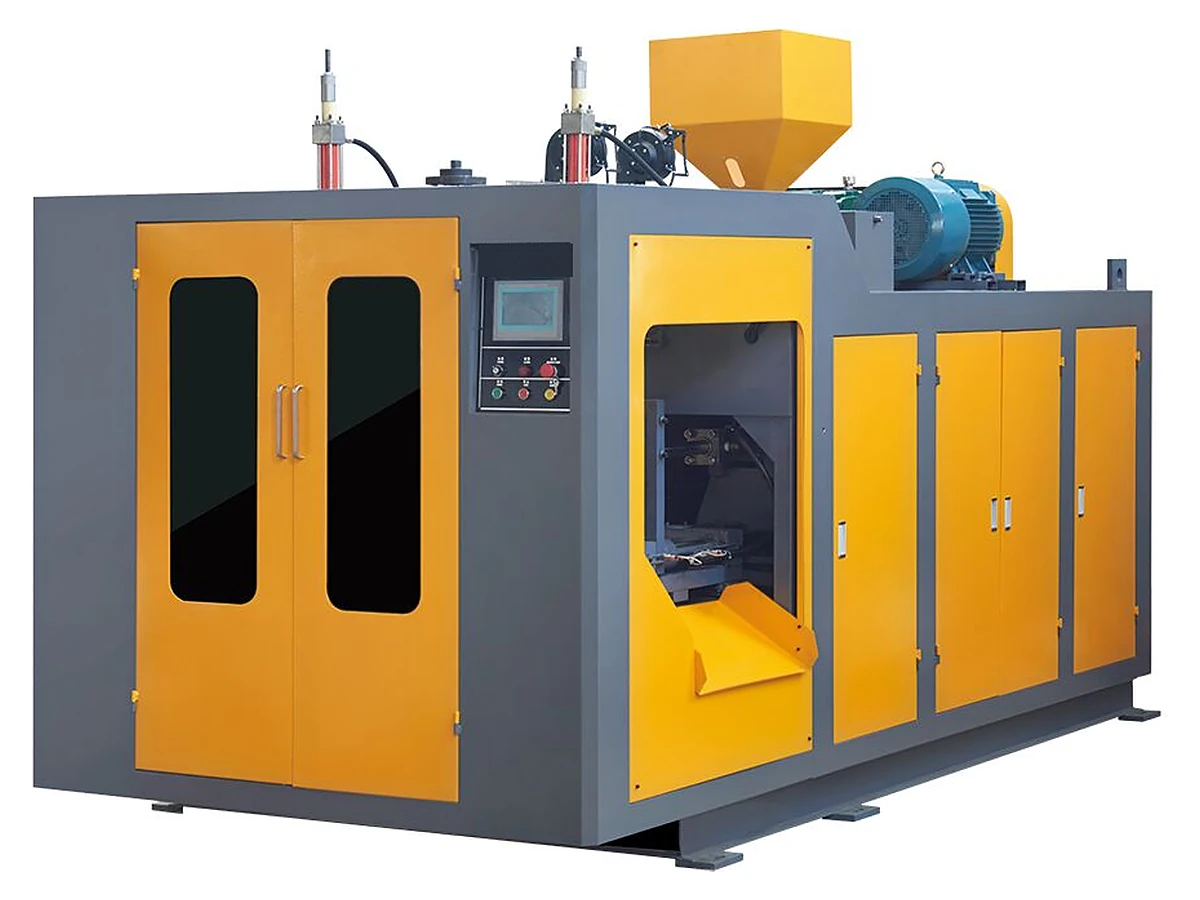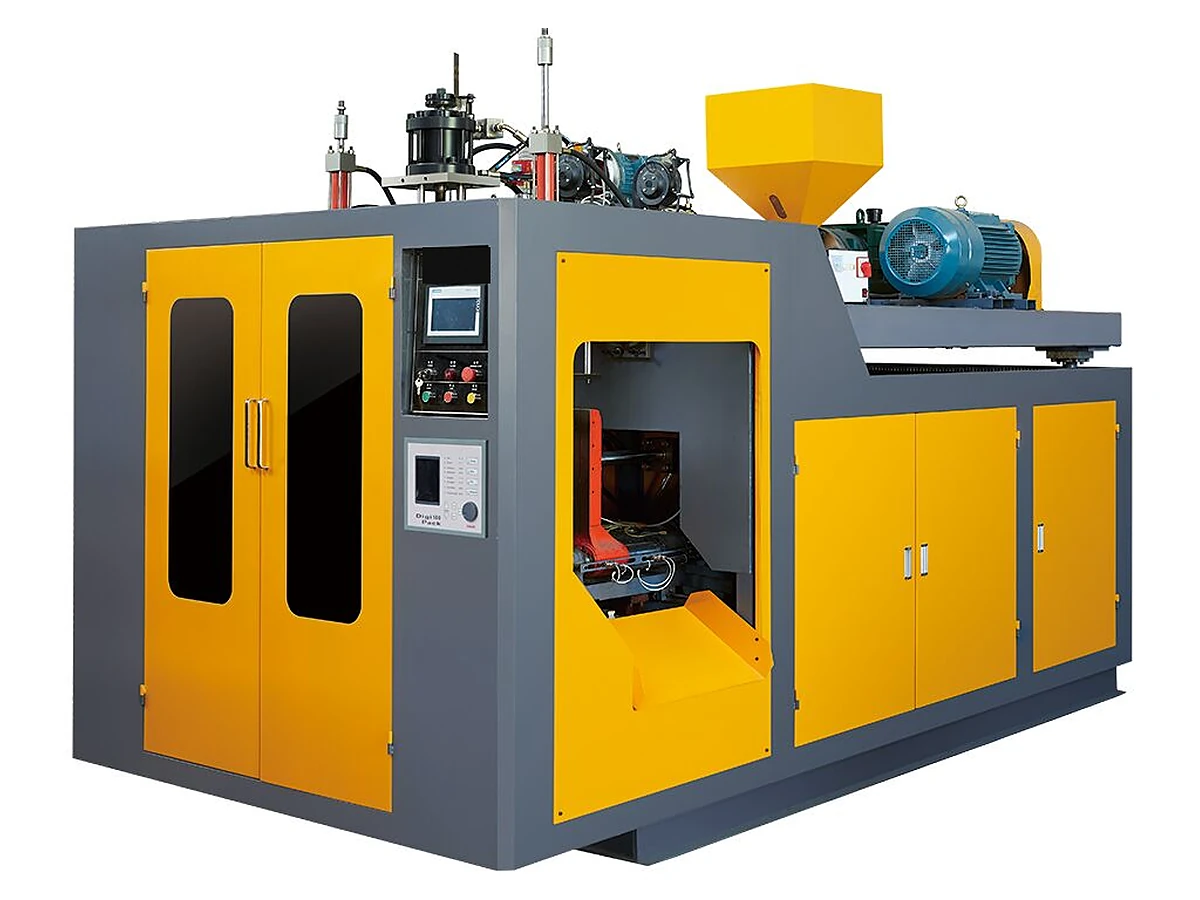
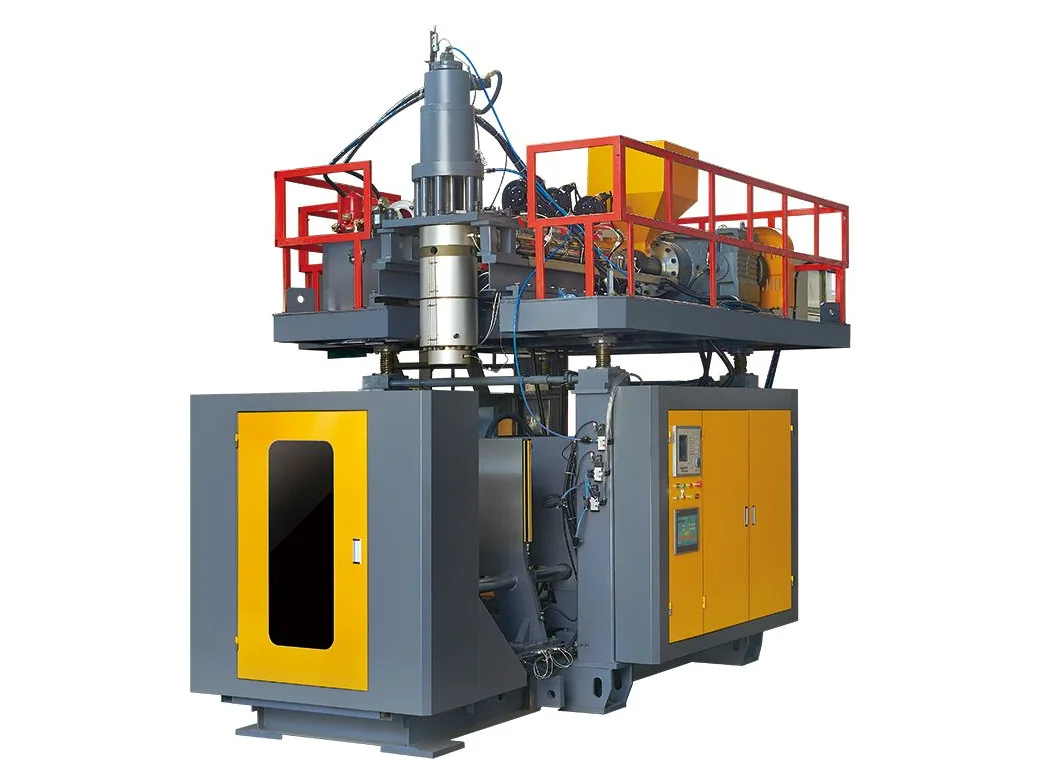
A blow molding machine quoted FOB and the same machine quoted DDP your factory are not the same purchase, even when the machine is identical. Between the two numbers sit ocean freight, marine insurance, export and import formalities, duty, VAT, and the crane that lifts 3.5–13 t at each end. Incoterms decide who pays for each of those, and — the part most buyers miss — the exact moment risk passes from seller to buyer.
Which Incoterm fits a blow molding machine import?
FOB suits many machine imports: the seller loads at the named Chinese port, and you control freight, insurance and import clearance. CIF adds freight and minimum insurance to a destination port, but risk passes at origin. DDP puts import clearance and duty on the seller; it is less common for machinery, because it depends on the seller clearing your customs.
Where the cost and the risk actually divide
The table below is the working version of the three terms. Read it as a responsibility split, not a price ranking: the same machine can look cheaper under one term simply because more of the work has been left on your side.
| Responsibility | FOB | CIF | DDP |
|---|---|---|---|
| Booking and main freight | Buyer | Seller | Seller |
| Marine insurance | Buyer | Seller — minimum cover, customarily 110% of invoice value | Seller |
| Export declaration in China | Seller | Seller | Seller |
| Import clearance | Buyer | Buyer | Seller |
| Import duty and VAT | Buyer | Buyer | Seller — confirm whether VAT is included |
| Unloading at destination | Buyer | Buyer — confirm terminal terms | Buyer, unless agreed in the contract |
| Risk passes to buyer | When goods are on board at the named port | When goods are on board at the port of shipment | At the named destination, ready for unloading |
Swipe the table to see all columns →
Three rows are easy to overlook. Destination terminal handling and demurrage are charged in practice to the consignee, which under FOB and CIF is you. The customs broker at destination is yours to appoint. And if the machine waits at the port because no truck or crane was booked, the storage bill lands on whoever holds the documents.
Insurance is the row buyers misread most often. Under CIF the seller pays freight to the destination port and buys insurance, but under Incoterms 2020 risk already passed to you when the goods went on board at the port of shipment. The seller's policy is for your benefit, with a customary minimum of 110% of the invoice value. Ask for the certificate before shipment and add cover if the route or the value warrants it.
At the other end, DDP sounds like a door-to-door price but is rarely a complete one. Ask whether the quote includes import VAT, who handles the port-to-factory truck, and who unloads. DDP delivery is normally goods ready for unloading at the named place, so the forklift or crane at your factory stays your responsibility unless the contract says otherwise.
Why the machine itself changes the shipping decision
The current range covers ten models from 3.5 t to 13 t, with external dimensions of roughly 3–5 m. That spread does not ship one way: a 3.5 t ES-2LS and a 13 t ES-50L differ in container choice, lifting points and the truck that can collect them at destination.
- Weight and footprint decide whether the machine travels in a 20GP or 40HQ, and how it is lifted at both ports.
- Standard export packing is surface protection plus stretch-wrap fixing, with a packing list; confirm whether the mold and auxiliaries ship in the same container.
- The named place should be an address your truck and lifting equipment can reach, not just a city.
- Check lifting points and centre of gravity against the drawing before loading.
See thesingle-station 0–16 Landdouble-station 0–16 Lseries for model weights and footprints, and theRFQ guidefor how to put the shipping scope in writing.
A 30 L machine on each term
Take one 10 t ES-30L going to a factory in Europe. On FOB Shanghai you appoint the forwarder, pay ocean freight and insurance, clear import and collect at the port; the seller's responsibility ends when the machine is on board. On CIF Rotterdam the seller books and pays freight and minimum insurance to Rotterdam, but the risk was yours from the moment of loading, so a claim in transit runs through the policy taken out for your benefit. On DDP your factory the seller arranges carriage, import clearance and duty, and possibly VAT; confirm the VAT position in writing, and confirm unloading, because delivery is normally ready for unloading rather than placed inside your hall.
This is why comparing a FOB price with a DDP price directly tells you almost nothing. Ask every supplier to quote the same machine, mold, auxiliaries, packing and named place on the same term. Then the difference you see is the service difference, not a gap caused by one quote leaving work out.
Whatever term you choose, four items belong in the contract: the term with the Incoterms version, the named place written as an address, the insured value and cover, and who unloads at destination.
What to send for a quotation
- The Incoterm and the named place, written in full — FOB Shanghai, CIF Hamburg, DDP your factory address.
- The destination port or factory address, and whether your site can unload a machine of the quoted weight.
- Any container preference, and whether the mold, spare parts and auxiliaries ship in the same container.
- The insurance requirement: customary 110% cover or a higher insured value.
- Your import licence or customs broker arrangement, so the quote shows who clears import under the chosen term.
Send these with the container drawing and target output, and the quotation can separate the machine price from the logistics scope instead of folding one into the other. You can also send the list through thecontact page.
Source: E-SHION product data. Specifications are subject to change without notice; customization is available.
This guide is written for production and procurement decisions. It uses published figures where available and avoids unverified performance claims.