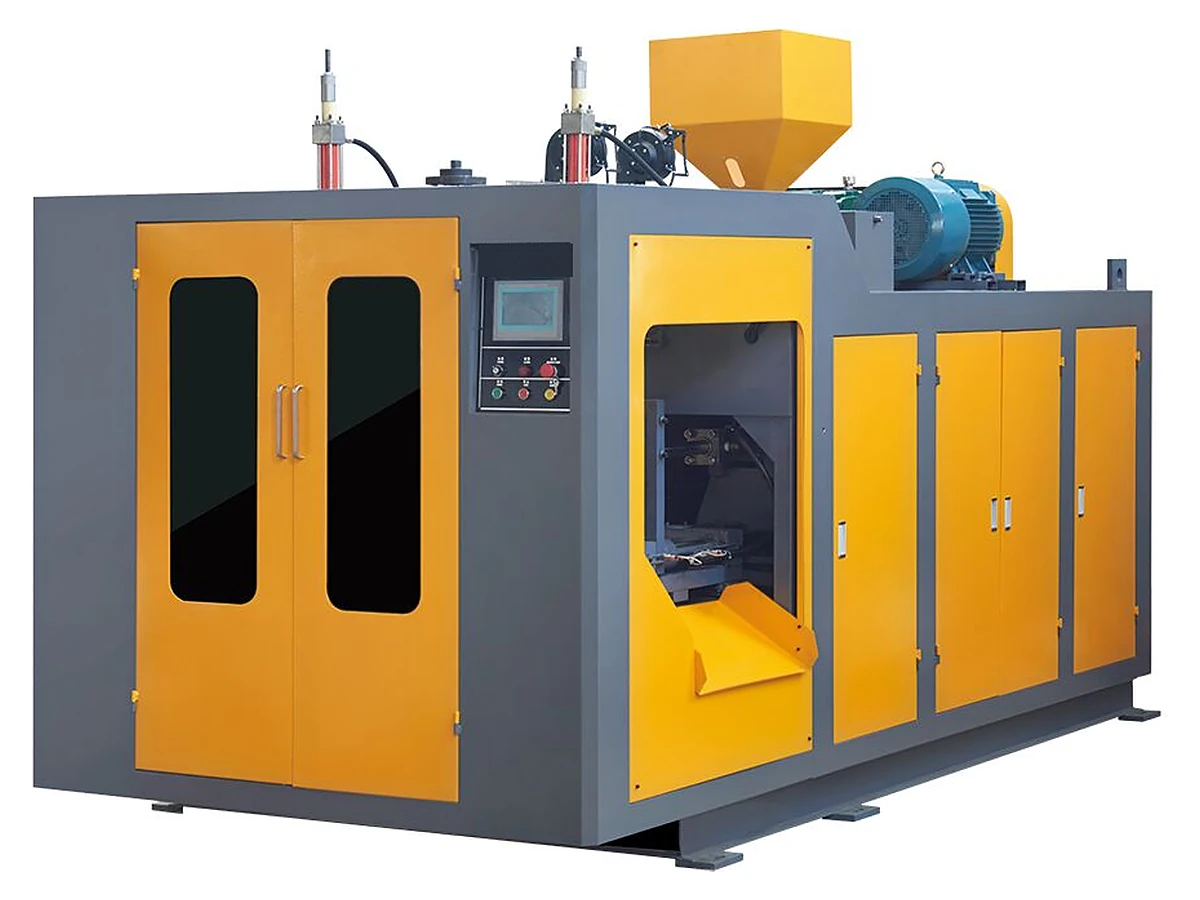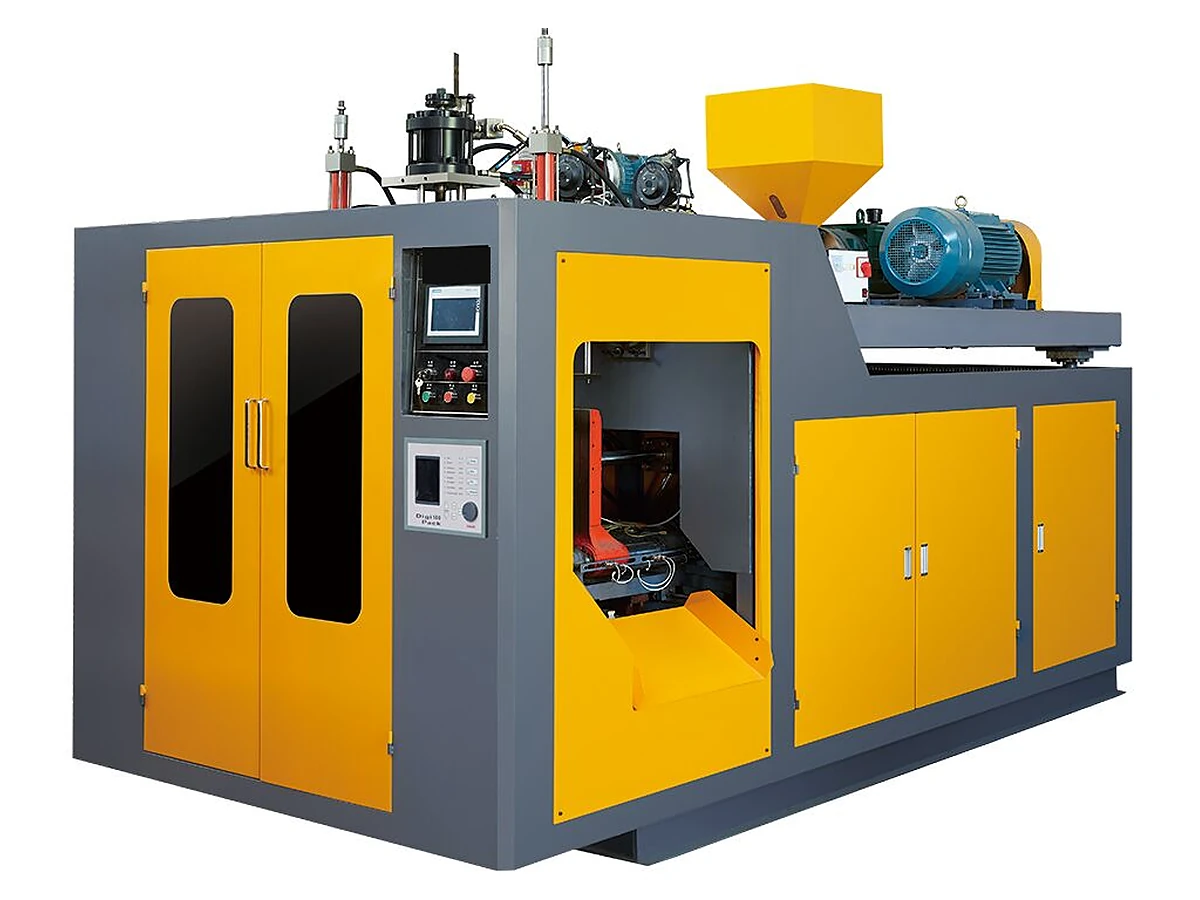
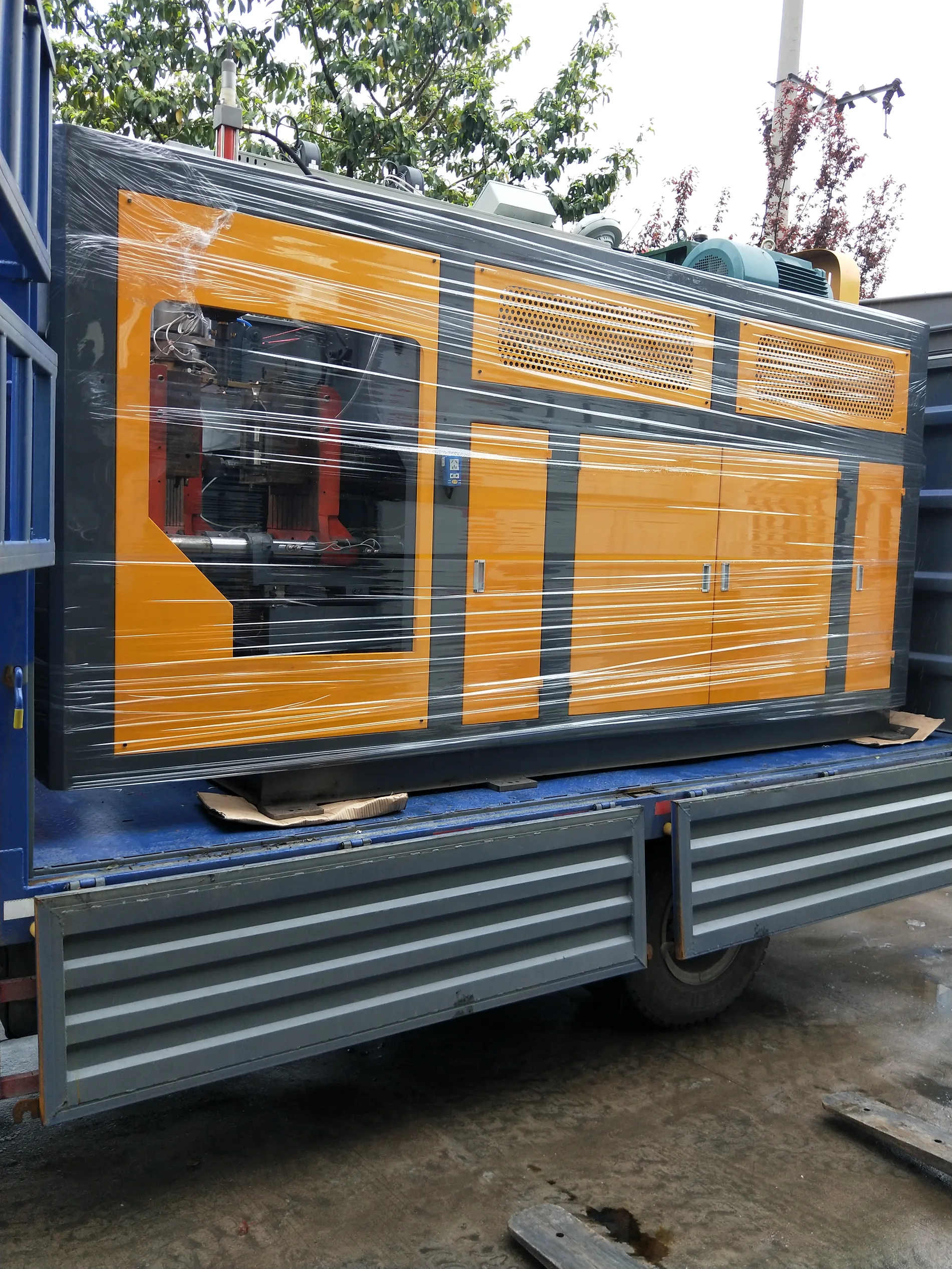
A buyer in Vietnam specifies 380 V 50 Hz, a buyer in Saudi Arabia 415 V 50 Hz, a buyer in Nigeria 440 V 60 Hz — sometimes for the same 10 L machine. Voltage and frequency are not corrected on site: they are fixed at order, because they decide motor windings, heater groups, control transformer and cable sizing. Get them wrong and the machine arrives, but the plant cannot run it.
Which voltage and frequency should you specify?
Start from the plant's grid, not from a standard. Give the nominal voltage, frequency and measured voltage at the wall, then let the factory match the machine. Export builds are commonly quoted around 380 V, 415 V or 440 V at 50 or 60 Hz; the exact option and any 60 Hz derating are confirmed in the quotation.
The requests are concrete: a factory in Vietnam often asks 380 V 50 Hz, a plant in Saudi Arabia 415 V 50 Hz, a buyer in Nigeria 440 V 60 Hz — sometimes the same model. Two ES-10LS orders can differ in motors, heaters and control transformers. That is normal; ordering one voltage and finding another at commissioning is not.
Heaters, motors and controls are three separate checks
Heaters are resistive, and their output follows the square of the applied voltage. A heater group built for 380 V is not interchangeable with one built for 440 V: elements, wiring groups and switching must match the ordered supply. That is why the heater circuit is checked first, and why a later voltage change is a factory question, not local rewiring.
Motors are the second check. Winding voltage, insulation and cooling are specified for the supply, and a 50 Hz motor on 60 Hz runs faster and draws different current. Controls are the third: the control transformer, contactors, relays and inverter input must be fed at the voltage actually present in the plant.
The series most often quoted for export are thesingle-station 0.1–16 L rangeand thedouble-station 0.1–16 L range; both are built to the voltage and frequency confirmed on the order. If the destination is open,send the site data first.
Installed kW, running kW and current for ten models
Power figures come in two numbers. Installed kW is the connected load — every heater group, motor and auxiliary — and it is what the transformer, cable and breaker must carry. Running kW is a typical production draw, lower because not every heater is at full duty once at temperature. Size the supply on installed kW.
| Model | Installed / running kW | Max current at 380 V (A) | Max current at 440 V (A) |
|---|---|---|---|
| ES-2LS | 24–32 / 12–18 | 54 | 47 |
| ES-5LS | 32–42 / 15–20 | 71 | 61 |
| ES-10LS | 38–48 / 20–35 | 81 | 70 |
| ES-16LS | 48–55 / 22–35 | 93 | 80 |
| ES-2LD | 26–35 / 18–26 | 59 | 51 |
| ES-5LD | 34–45 / 28–36 | 76 | 66 |
| ES-10LD | 45–55 / 38–46 | 93 | 80 |
| ES-16LD | 50–65 / 40–50 | 110 | 95 |
| ES-30L | 100–110 / 30–40 | 186 | 160 |
| ES-50L | 105–120 / 35–50 | 203 | 175 |
Swipe the table to see all columns →
Sizing the transformer, and what 60 Hz changes
Take the ES-10LS: 38–48 kW installed, 20–35 kW running. At the top of the installed range, with a power factor of 0.90, line current is about 81 A at 380 V, 74 A at 415 V and 70 A at 440 V. If site voltage swings 10% low, current rises similarly, so size cable and breakers at the lowest realistic site voltage.
For the transformer, divide installed kW by the power factor and add margin for warm-up, simultaneous heater groups, motor starting and auxiliaries. The ES-10LS example gives about 53 kVA before margin; the next standard frame is a starting point. Compressor and chiller are separate loads, often left out of the machine figure — a common cause of first-start trips.
At 60 Hz a four-pole motor turns about 1,800 rpm instead of 1,500, and a two-pole motor 3,600 instead of 3,000. The pump turns with it, so flow, pressure behaviour and cycle settings differ from the 50 Hz commissioning sheet. Heating power does not rise with frequency, but faster fan cooling and changed hydraulic timing affect the process. Confirm with the factory.
What to send for a quotation
A voltage quote is only as good as the site data behind it. Collect the following and send it in one message; most export delays come from a missing frequency or an estimated voltage.
- Destination country and city, and the grid frequency (50 or 60 Hz).
- Nominal voltage and the measured voltage at the machine position, including the worst low reading.
- Available plant capacity, existing transformer rating and whether a generator is used.
- Whether the machine runs from your own transformer, and the distance from the electrical room.
- Container size, material and target output per hour, so the model and motor load can be fixed.
- Site rules on control voltage, earthing and cable entry, and the nameplate language.
It also helps to fix the container first:how container size drives clamp and mold choicecovers that trade-off, and theRFQ checklistlists the rest.
With those items, the electrical configuration and the model can be fixed in one exchange, and the quotation can state voltage, frequency and installed kW clearly.
Source: E-SHION product data. Specifications are subject to change without notice; customization is available.
This guide is written for production and procurement decisions. It uses published figures where available and avoids unverified performance claims.