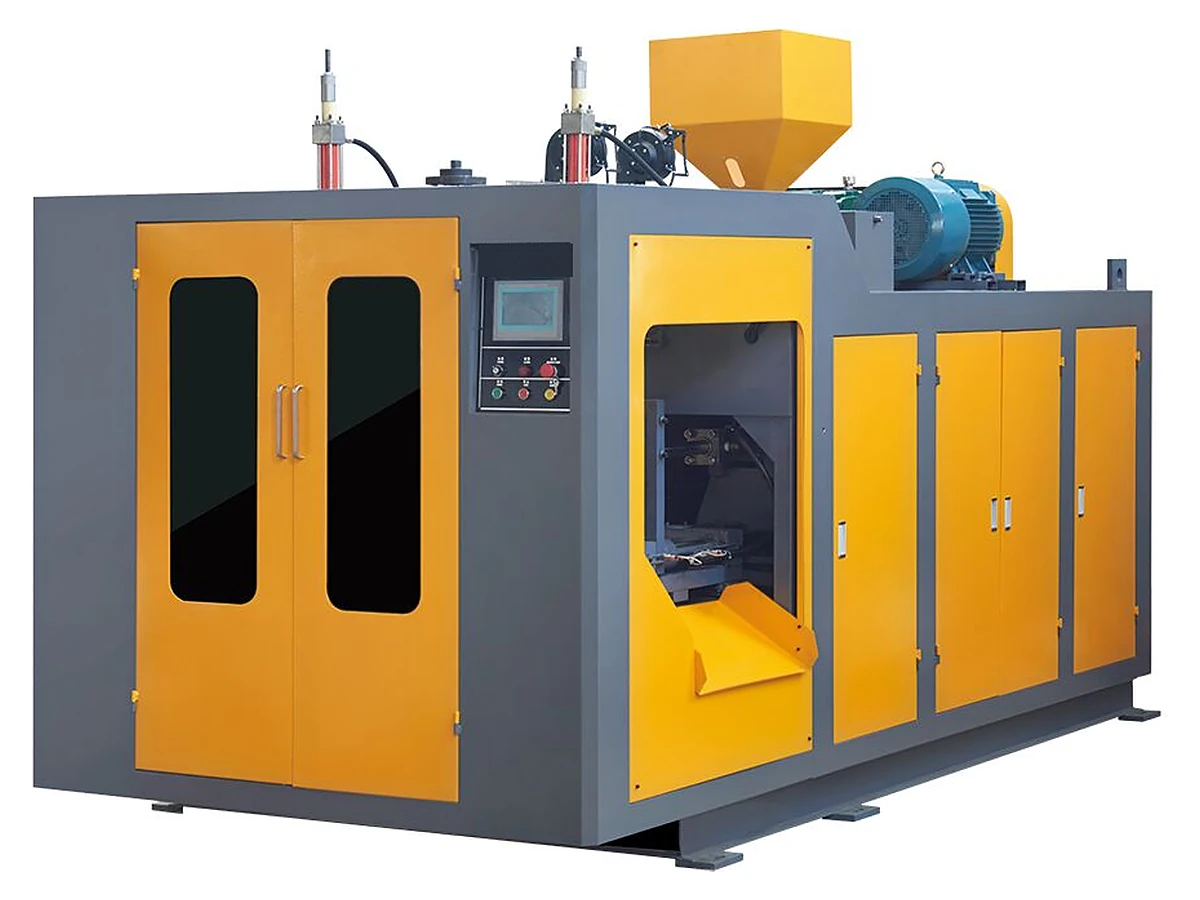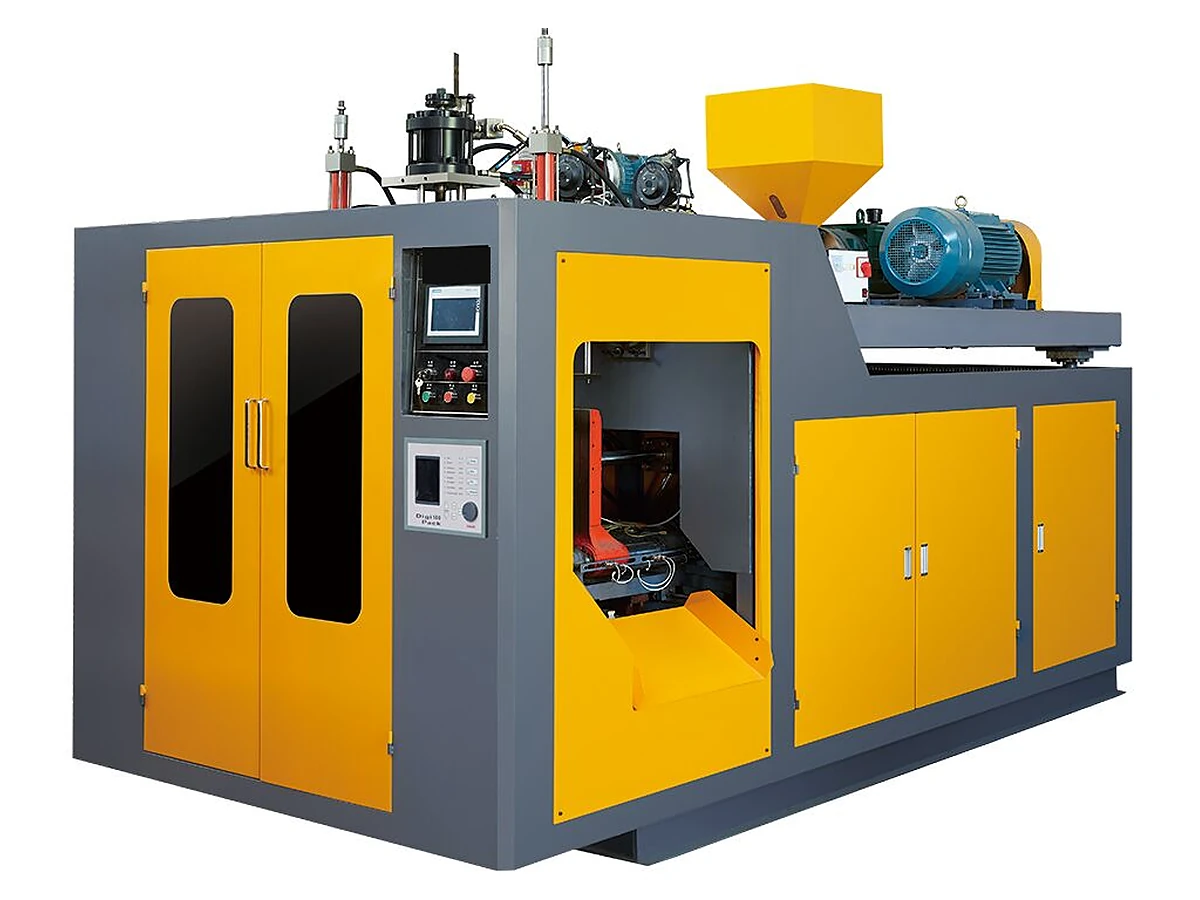
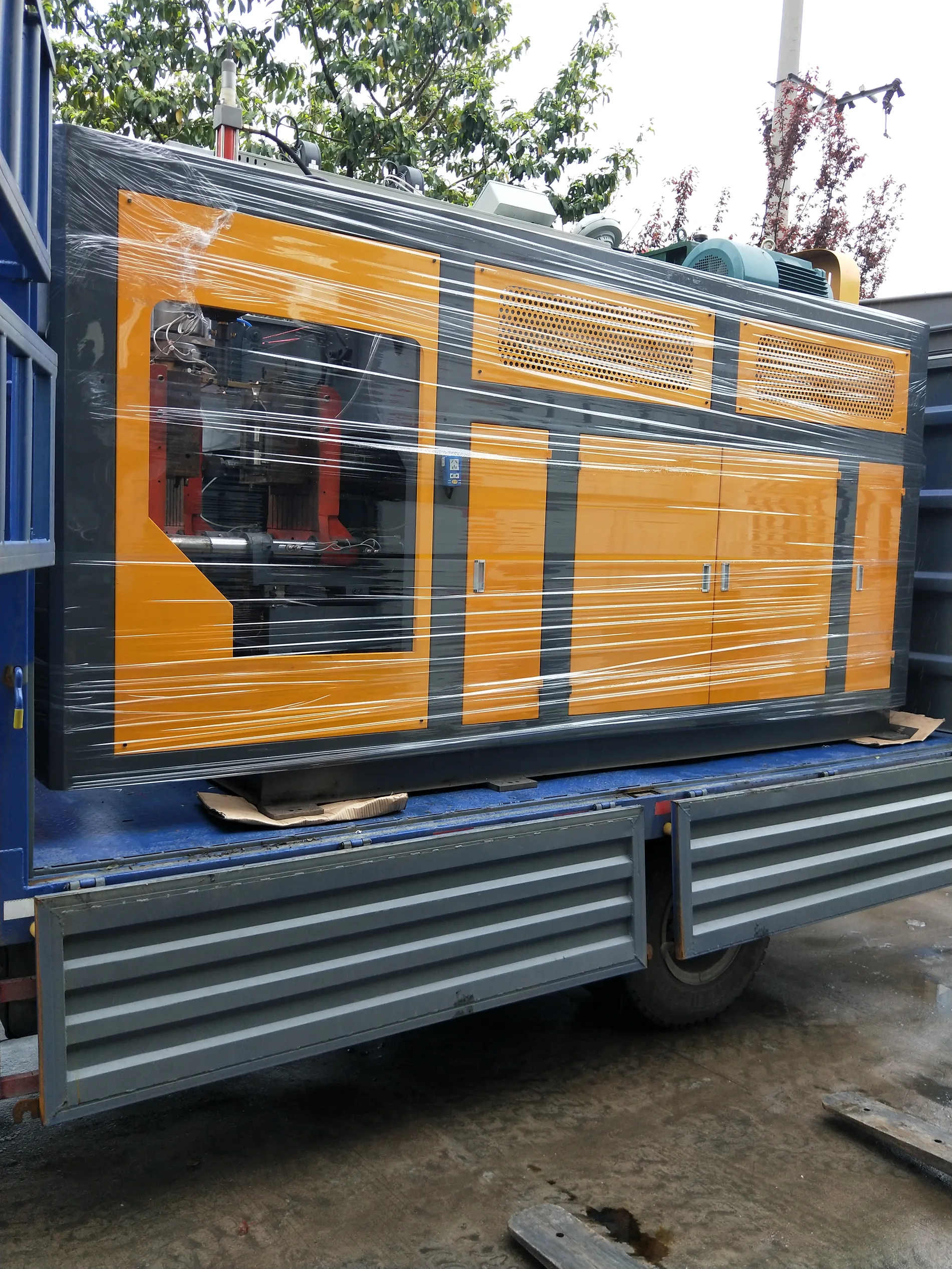
A blow molding machine can pass its factory test, ship on schedule, and still sit at the destination port because one number on the commercial invoice does not match the certificate of origin — or because the wood crate carries no ISPM 15 mark. Storage, demurrage and lost production days can quickly cost more than the documents themselves. The fix is not more paperwork; it is knowing which document is produced at which stage, and who owns it.
What documents should come with a blow molding machine shipment?
A complete set usually contains a commercial invoice, packing list, bill of lading, certificate of origin and insurance certificate, plus an inspection certificate if the contract calls for one. Wood packaging must carry the ISPM 15 mark. The final list follows the destination country, the Incoterm and the payment method, so confirm it before booking.
Documents fall into four groups: commercial, transport, origin and compliance, and payment. Grouping them this way makes the sequence obvious. The commercial invoice exists before booking, the bill of lading only after the container is loaded, and the certificate of origin can be finalised only once the shipment details are fixed. A document prepared out of order is usually a document that has to be reissued.
- Commercial invoice: model, quantity, unit price, Incoterm and HS code, all of which must agree with the contract and the certificate of origin.
- Packing list: package count, gross and net weight, volume and crate dimensions, matched to the bill of lading.
- Bill of lading: shipper, consignee, notify party, ports and goods description, checked word for word against an L/C.
- Certificate of origin: normally applied for by the forwarder or agent using data the supplier provides; the form depends on the destination and any trade agreement claimed.
- Insurance certificate: arranged by the seller under CIF or CIP, or as the contract requires; confirm cover and insured value before shipment.
The five stages of the document set
Sorting the set by stage is more useful than an alphabetical list, because every stage has an owner and a deadline. The table below is the working map for a complete blow molding machine line; your destination, Incoterm and payment terms decide the final version.
| Stage | Typical documents | Usually prepared by | Where it goes |
|---|---|---|---|
| Booking and deposit | Sales contract, proforma invoice, deposit receipt | Supplier | Buyer and supplier records |
| Export declaration | Commercial invoice, packing list, customs declaration data | Supplier and freight forwarder | China customs |
| Shipment and bill of lading | Bill of lading or sea waybill, ISPM 15 wood packaging, shipping instructions | Carrier and forwarder | Consignee; bank under an L/C |
| Destination clearance | Certificate of origin, insurance certificate, inspection certificate where agreed, import documents | Supplier provides, importer clears | Destination customs |
| Payment and close-out | Full L/C document set, or invoice plus B/L copy under T/T | Supplier's bank and buyer | Bank or buyer |
Swipe the table to see all columns →
L/C or T/T: which documents go to the bank
Under a letter of credit, the bank pays against documents, not against the machine. It checks the invoice, packing list, bill of lading, certificate of origin, insurance certificate and any inspection certificate named in the credit against the credit terms. A misspelled consignee, a port that does not match or a shipment date one day late is a discrepancy, and discrepancies are where payment slows down. Under T/T the path is shorter: copies are sent for checking, originals travel with the goods or are released against the balance payment, as the contract states.
Which documents travel with the goods and which go to the bank is decided by the payment term, not by habit. Under T/T the packing list, certificate of origin and insurance certificate normally travel with the shipment while the B/L is released against payment; under an L/C every document named in the credit goes to the bank, and the consignee may receive a copy set only after the bank forwards the originals.
A worked example: a 5 L jerrycan line under an L/C
Take a 5 L jerrycan line sold FOB Ningbo under an L/C at sight. The order moves in a fixed order: the proforma invoice confirms model and configuration, the deposit releases production, booking fixes the vessel, the export declaration is filed, the bill of lading draft is checked against the credit line by line, the certificate of origin is applied for, and the full set goes to the bank. The step that most often needs rework is not the B/L but the HS code: it must read the same on the commercial invoice, the certificate of origin and the customs declaration. Put those three documents side by side before the container is sealed.
If the destination also asks for an inspection certificate or a pre-shipment inspection, book it before the production finish date. Inspection bodies work to their own schedules, and an inspection that slips past the vessel date becomes a rebooking.
What to send for a quotation
Documents and machine selection are settled in the same conversation, so send both at once. The list below is enough for a first quotation and a first document plan.
If you are still comparing suppliers, theRFQ checklistlists the technical data worth collecting before you ask for a price, andmaximum container sizecovers what will physically fit in a 40 ft container.
- Destination country and port: sets the certificate of origin type, import rules and wood-packaging requirements.
- Incoterm: FOB, CIF or CIP decides who books, who insures and which documents the seller issues.
- Payment method: T/T or L/C; for an L/C, attach the draft terms or the issuing bank's requirements.
- Product and output: container shape, volume, cavity count, target output and material, so the model and mold can be quoted.
- Power supply: voltage, frequency and phase at the destination.
- Inspection: whether a third-party inspection or pre-shipment certificate is required.
Machine options are listed under thesingle-station 0–16 L seriesand thedouble-station 0–16 L series. For supplier background, seeChina blow molding machine manufacturer; order details can go through thecontact page.
Source: E-SHION product data. Specifications are subject to change without notice; customization is available.
This guide is written for production and procurement decisions. It uses published figures where available and avoids unverified performance claims.